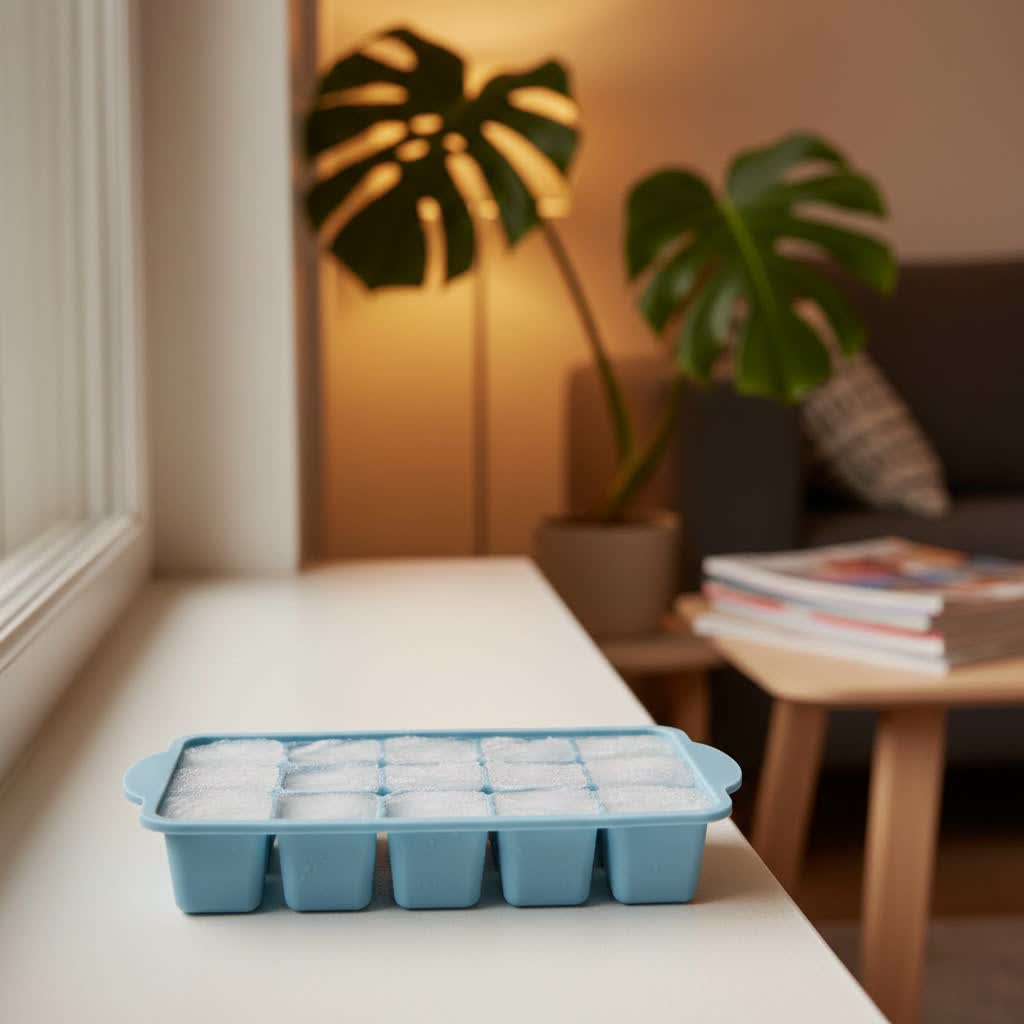
As temperatures rise and the craving for a refreshing, icy drink intensifies, the humble Ice Tray steps into the spotlight. Far from a mere utility item, the right ice tray can transform your beverage experience, ensuring your drinks stay perfectly chilled without unwanted dilution. But with an overwhelming variety of materials, designs, and features on the market, choosing the ideal ice tray can feel like navigating a frozen labyrinth. Don’t fret! As an Admin of ReviewLynk.com with over a decade of experience in home appliances and kitchenware, I’ve spent countless hours researching, testing, and evaluating ice trays to bring you the most valuable insights and candid advice. Let’s dive into the frosty world of ice trays and discover the optimal solution for your chilling needs.
Popular Ice Tray Types
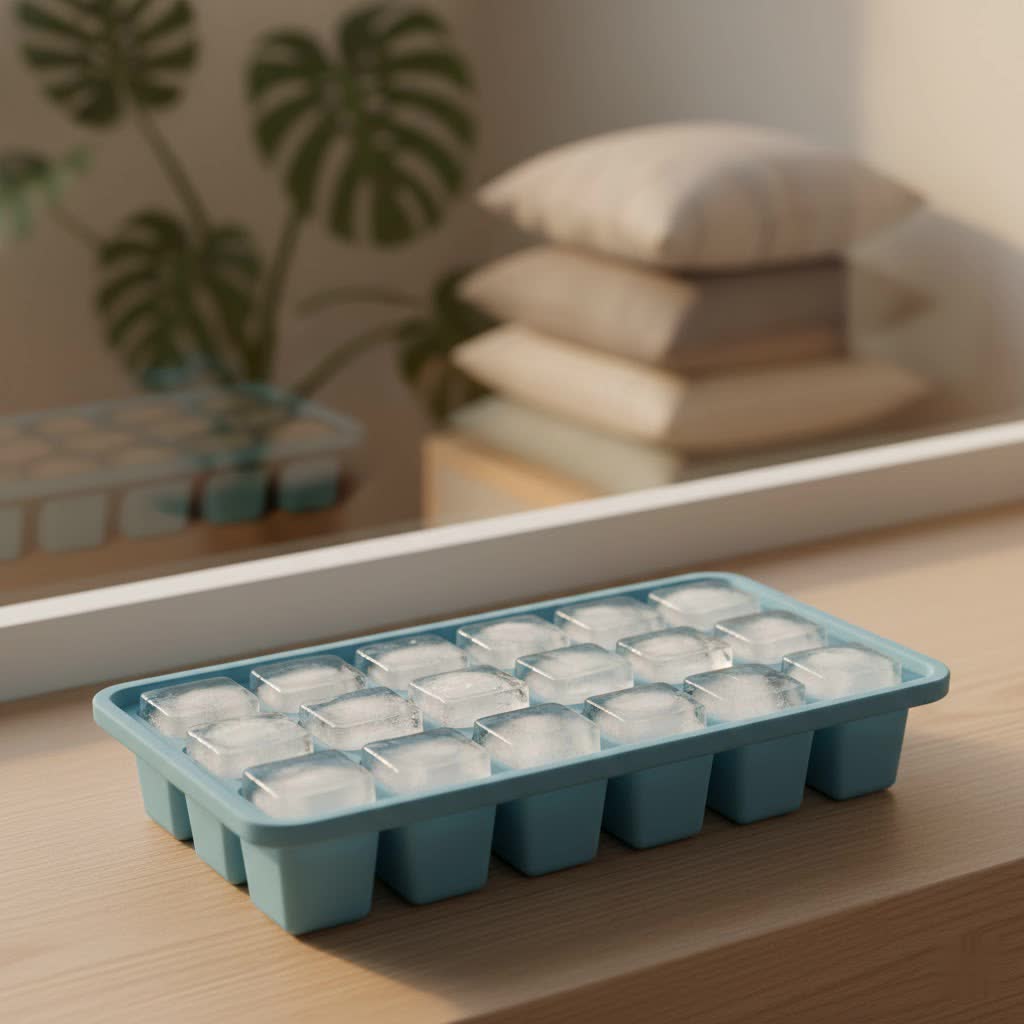
The journey to perfect ice begins with understanding the different types of ice trays available, each offering unique advantages and considerations. From classic designs to innovative molds, here’s a breakdown of the most common options.
Plastic Ice Trays
|
Our Picks for the Best Ice Tray in 2026
We may earn a commission when you use one of our links to make a purchase.
|
||
| Num | Product | Action |
|---|---|---|
| 1 | DOQAUS Ice Cube Tray with Lid and Bin - 4 Pack Silicone Ice Cube Trays for Freezer, Stackable Ice Bucket Kits with Storage Container & Scoop for Kitchen, RV, Cocktail, Coffee |

|
| 2 | Ice Cube Tray 5 Pack, Stackable Silicone Ice Cube Trays with Lid– Easy Release Reusable Ice Tray, BPA-Free Rectangular Ice Cube Mold Set for Cocktails, Coffee, Whiskey & Drinks- Black |
|
| 3 | Ice Cube Trays for Freezer - 3 Pack 42 Cubes, Easy to Release Silicone Ice Trays with Spill-Resistant Lids, Reusable Ice Tray,Stackable and BPA-Free, Perfect for Cocktails, Drinks,and Ice Coffee |
|
| 4 | Ice Cube Trays, Silicone Easy-Release and Flexible 14-Ice Trays with Spill-Resistant Removable Lid, BPA Free, Durable and Dishwasher Safe, 2 Pack |
|
| 5 | 3 Pack Ice Trays for Freezer, 99 PCS Ice Cube Tray with Lid and Bin, Round Ice Cube Mold, Circle Ice Maker for Chilling Drinks (0.8 inch, Blue) |
|
| 6 | OXO Good Grips Ice Cube Tray - 2 Pack White |
|
| 7 | Ice Tray Easy Release White Ice Cube Trays, 16 Cube (Pack of 2) (2867-WHT-2) |
|
| 8 | GORILLA GRIP BPA-Free Easy Release Ice Cube Tray for Freezer, Make Lots of Ice, 56 Cubes Total, Kit Includes 2 Stackable Leakproof Trays with Lid and Soft Handle Grips, Scooper, Bin, For Coffee, Red |
|
| 9 | Extra Large Reusable Ice Cubes for Drinks(1.9” Sq.) - 6 Pack BPA-Free Plastic Ice Cube - Chills Drinks Without Diluting Suitable for Large Containers, Water Pitchers, Cold Therapy Devices |
|
| 10 | GORILLA GRIP BPA-Free Easy Release Ice Cube Tray for Freezer, Make Lots of Ice, 56 Cubes Total, Kit Includes 2 Stackable Leakproof Trays with Lid and Soft Handle Grips, Scooper, Bin, For Coffee, Gray |
|
Plastic ice trays are often the most affordable and widely accessible choice. They are lightweight and typically stackable, making them convenient for freezer storage. Many plastic trays also come with integrated lids, which can help prevent freezer odors from permeating the ice and allow for easy stacking. However, traditional hard plastic trays can be challenging to release ice from, often requiring twisting and bending that may lead to cracking over time. Thicker plastic trays tend to be more effective at preventing freezer odors from transferring to your ice cubes compared to silicone.
Silicone Ice Trays
Silicone ice trays have surged in popularity due to their remarkable flexibility and non-stick properties. This material allows for effortless ice removal; a gentle push from the bottom is usually enough to release perfectly formed cubes. Silicone is also safe for food contact, durable, and less prone to cracking or breaking than plastic. It excels in creating specialty shapes, from large spheres for whiskey to fun, intricate designs. However, silicone can be squishable, potentially leading to oddly shaped cubes if your freezer is overcrowded. A notable drawback is that silicone’s microporous structure can absorb freezer odors over time if not cleaned properly.
Stainless Steel Ice Trays
Stainless steel ice trays offer superior durability, rust resistance, and excellent cold retention. They are a robust and long-lasting option, often seen as a more eco-friendly choice compared to plastic. While they tend to be the most expensive, their longevity can make them a worthwhile investment. Releasing ice from stainless steel trays might require a lever mechanism or a brief rinse under warm water. These trays are less common for intricate shapes but are praised for their robust construction and ability to keep ice free from freezer tastes.
Ice Trays with Lids
Many ice trays, whether plastic or silicone, now come with lids. These lids serve several purposes: preventing spills on the way to the freezer, protecting ice from absorbing odors from other foods, and allowing for stable stacking to maximize freezer space. Well-designed lids and accompanying storage bins are highly beneficial for those who like to keep a steady supply of ice on hand.
Novelty and Specialty Ice Trays
Beyond standard cubes, a vast array of novelty ice trays exists to elevate your drinks. These include molds for large spheres or cubes, ideal for whiskey and cocktails as they melt slowly and dilute drinks less quickly. There are also trays for long, skinny ice sticks perfect for water bottles, or fun shapes like stars, hearts, or even honeycomb patterns for an aesthetic touch. While these add a unique flair, consider if you will genuinely use them regularly.
Detailed Comparison of Ice Tray Materials
Choosing the right material is paramount to your ice-making satisfaction. Here’s a comparative look at the key characteristics of popular ice tray materials:
| Feature | Plastic Ice Trays | Silicone Ice Trays | Stainless Steel Ice Trays |
|---|---|---|---|
| Price | Most affordable | Mid-range | Highest |
| Durability | Prone to cracking/breaking over time; less durable | Very durable; flexible, resistant to cracking | Highly durable; corrosion-resistant |
| Ice Release | Can be difficult; often requires twisting/bending | Easiest; flexible for effortless pop-out | May require lever or slight warming for release |
| Odor Absorption | Good at preventing odor transfer; smooth surface | Prone to absorbing odors if not cleaned properly | Excellent resistance to odor absorption |
| Freezer Space | Stackable, especially with lids | Can be squishable if not rigid; stackable with lids | Often stackable; compact designs available |
| Versatility | Standard cubes, some basic shapes | Excellent for intricate and large shapes | Mostly standard or large cubes/spheres |
| Cleaning | Dishwasher safe (top rack recommended for some); hand-wash for stubborn odors | Generally dishwasher safe; can be baked to remove odors | Dishwasher safe; easy to clean and sanitize |
| Safety | Choose BPA-free plastic | Food-grade silicone (FDA, LFGB, ROHS certified) is safe | Food-grade stainless steel is safe |
When considering plastic, opt for BPA-free varieties to ensure safety. For silicone, certified food-grade options are crucial to avoid potential health risks from low-quality materials.
Guide to Choosing the Perfect Ice Tray
Selecting an ice tray isn’t a one-size-fits-all decision. Your ideal choice will depend on your specific needs, lifestyle, and preferences.
Determine Your Usage Needs
- Quantity: How much ice do you typically need? If you’re a daily iced coffee drinker or frequently host, a system with multiple trays and a storage bin might be best.
- Ice Size and Shape: Do you prefer classic cubes for everyday water, large spheres for sophisticated cocktails, or nugget ice for crunching? Large cubes and spheres melt slower, ideal for spirits to prevent quick dilution. Long, skinny ice is perfect for reusable water bottles.
- Frequency: If you make ice often, prioritize easy-release features and durability.
Choose a Safe Material
- Prioritize Food-Grade: Always look for labels like “BPA-free” for plastic and “food-grade silicone” (often FDA, LFGB, ROHS certified) to ensure the material is non-toxic and safe for freezing consumables.
- Avoid Unspecified Plastics: Steer clear of trays made from recycled or unknown plastics, as these may contain harmful chemicals.
Assess Durability
- Thickness Matters: Thicker plastics tend to be sturdier and less prone to cracking. For silicone, a heavy-duty material (e.g., ≥2mm) resists warping.
- Construction: Examine joints and hinges on multi-part trays or those with levers for robustness.
Consider Ease of Cleaning and Maintenance
- Dishwasher Safe: Many silicone and some plastic trays are dishwasher safe (top rack recommended). This simplifies cleaning significantly.
- Odor Resistance: If freezer odors are a concern, plastic often performs better than silicone. If you opt for silicone, be prepared for occasional deep cleaning to combat odor absorption.
Read User Reviews and Recommendations
- Real-World Feedback: Online reviews provide valuable insights into a product’s real-world performance, including how easy it is to release ice, its durability, and any common complaints.
- Expert Opinions: Consult reviews from trusted sources that perform hands-on testing to compare products effectively.
Tips for Using and Maintaining Your Ice Tray
Maximizing the lifespan and performance of your ice tray involves a few simple practices.
- Initial Cleaning: Always wash your new ice tray thoroughly with warm, soapy water before its first use to remove any manufacturing residues.
- Filling Correctly: Avoid overfilling, as this can make ice difficult to release and cause cubes to fuse together. Leave a small gap for expansion.
- Easy Release Techniques:
- Plastic: Twist gently or run the underside under warm water for a few seconds.
- Silicone: Push from the bottom of each cube.
- Stainless Steel: If your tray has a lever, operate it as directed. Otherwise, a quick warm water rinse can help.
- Regular Cleaning: Wash ice trays frequently with warm, soapy water.
- For Odors (Plastic): Dishwasher (top rack) is usually effective.
- For Odors (Silicone): A baking soda paste (2 teaspoons baking soda with warm water, scrub, then rinse) is excellent for odor removal. Alternatively, some heat-resistant silicone trays can be baked at 350°F (175°C) for 30 minutes to burn out odors, followed by a wash. Avoid acidic cleaners like white vinegar for silicone, as it can degrade the material over time.
- Clear Ice Tips:
- Boil Water: Boiling water before freezing removes dissolved gases, leading to clearer ice. Allow it to cool to room temperature before pouring into the tray.
- Insulation: Slowing down the freezing process by insulating the tray can also produce clearer ice by pushing impurities away as it freezes from top to bottom.
- Filtered Water: Using distilled or filtered water reduces impurities.
- Storage: Store clean, dry ice trays in a cool, dry place. If using a lidded tray with a storage bin, ensure the lid fits snugly to prevent odor absorption.
Top Ice Trays to Consider
Based on extensive testing and user feedback, here are a few highly-regarded ice trays that excel in different categories:
- PHINOX Ice Cube Tray with Lid and Bin (Plastic): Praised for its rigid plastic rim, soft plastic cube molds, and a unique pressing lid mechanism that ejects cubes simultaneously. It offers a large storage bin and tight-fitting lid to prevent spills and odors.
- WIBIMEN Round Ice Trays with Lid & Bin (Plastic): A best-seller for producing fun, 0.8-inch spherical ice cubes. It’s compact, easy to use (with a slight learning curve for filling), and comes with a storage bin and scoop. Ideal for cocktails and iced coffee.
- Kitch Easy Release White Ice Cube Trays (Plastic): An affordable, BPA-free, dishwasher-safe option that produces standard, slightly rounded rectangular cubes. They are lightweight, sturdy, and release ice cleanly with a simple twist, making them suitable for those with hand mobility concerns.
> “The material of your ice tray significantly impacts not just ice release, but also how well it maintains the purity of your ice, especially concerning freezer odors.” – Admin, ReviewLynk.com
Conclusion
The world of ice trays offers far more variety and innovation than one might initially imagine. From classic plastic workhorses to flexible silicone molds and durable stainless steel options, there’s an ice tray perfectly suited to every need and aesthetic preference. By considering factors like material, ease of use, durability, and cleaning requirements, you can make an informed decision that elevates your everyday beverages and special occasions.
Remember, the best ice tray is ultimately one that fits seamlessly into your lifestyle, provides the ice you desire, and is easy to maintain. So go ahead, explore the options, and find the perfect ice tray to keep your drinks cool and refreshing. What ice tray features are most important to you for your next frosty beverage?
Frequently Asked Questions
Is silicone safe for ice cube trays?
Yes, food-grade silicone materials that meet international certifications (such as FDA, LFGB, and ROHS) are safe for ice cube trays. They are non-toxic, eco-friendly, and can withstand a wide range of temperatures without releasing harmful substances. However, it’s crucial to choose reputable brands and avoid low-quality silicone products that may contain industrial-grade silicone or plasticizers.
How long does an ice tray take to freeze?
Typically, room temperature water will freeze in an ice tray within 3-4 hours in a freezer set to -18°C (0°F). This can vary based on freezer conditions and the size of the ice cubes. For best results and to ensure you have ice when needed, it’s advisable to fill trays the night before.
How do I make clear ice cubes at home?
To make clearer ice cubes, boil the water first and let it cool before freezing to remove air bubbles and impurities. Using distilled or filtered water can also help. Additionally, insulating your ice tray to encourage freezing from the top down can push impurities to the bottom, resulting in clearer ice.
Can I freeze liquids other than water in my ice tray?
Yes, you can freeze various liquids, fruits, herbs, and even condiments like pesto or broth in ice trays. Silicone trays are particularly versatile for this. However, silicone’s microporous structure can absorb strong odors, so it’s best to avoid freezing strongly flavored or acidic substances for extended periods in silicone trays to prevent odor transfer or material degradation.