In a world where every detail counts, from the perfect espresso shot to a meticulously crafted cocktail, the humble ice cube often gets overlooked. Yet, for many, the size and shape of ice can make or break a beverage experience. If you’ve ever found yourself longing for that ideal chill without overwhelming your drink, it’s time to discover the magic of the Tiny Ice Tray. These innovative kitchen tools are designed to produce petite cubes that rapidly cool your favorite drinks and offer a surprising range of uses beyond just water.
This comprehensive guide, brought to you by an experienced technician with over a decade in home appliances and kitchenware, will explore everything you need to know about tiny ice trays. We’ll dive into the different types, the benefits and considerations, what features to prioritize, and how to get the most out out of these compact chillers. Get ready to transform your beverages and unlock new culinary possibilities.
What Makes Tiny Ice Trays So Special?
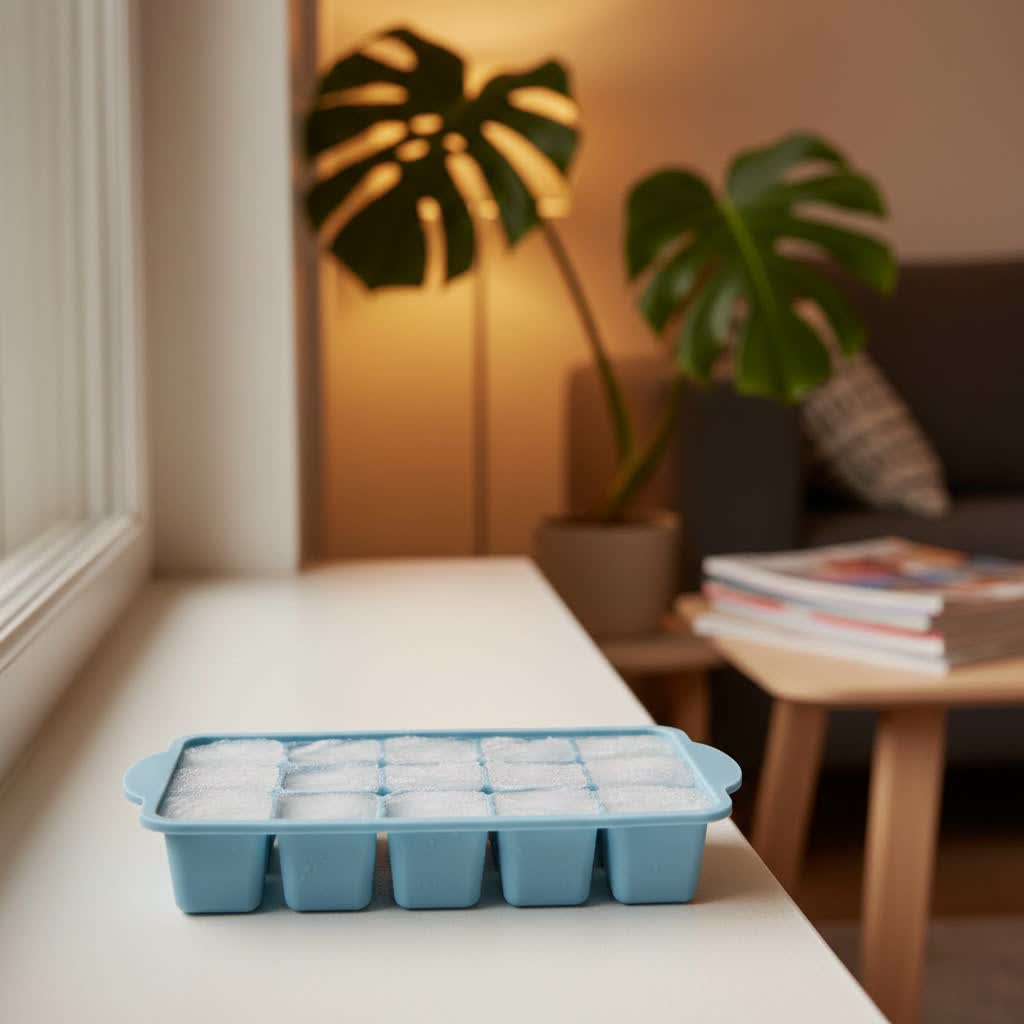
Tiny ice trays, often referred to as mini ice cube trays or crushed ice trays, create ice cubes significantly smaller than standard ones. These miniature marvels come in various forms, from classic square or round mini cubes to unique shapes, all designed with a specific purpose: efficient cooling and versatile application.
Types of Tiny Ice Trays
The market offers a diverse array of tiny ice trays, each with its own advantages. Understanding the differences will help you select the perfect match for your needs.
- Silicone Tiny Ice Trays: These are incredibly popular for their flexibility, which allows for effortless ice release. Silicone is durable, often dishwasher-safe, and less prone to absorbing freezer odors compared to some plastics. They are excellent for creating intricate shapes and are generally considered safe for food contact. Many silicone trays feature small, individual compartments that ensure uniform cube size.
- Plastic Tiny Ice Trays: Typically made from BPA-free plastic, these trays are a more traditional and often more affordable option. While they may not offer the same easy-release flexibility as silicone, many modern plastic designs incorporate mechanisms for simpler ice extraction. They are sturdy and maintain their shape well, making them ideal for stacking in a freezer.
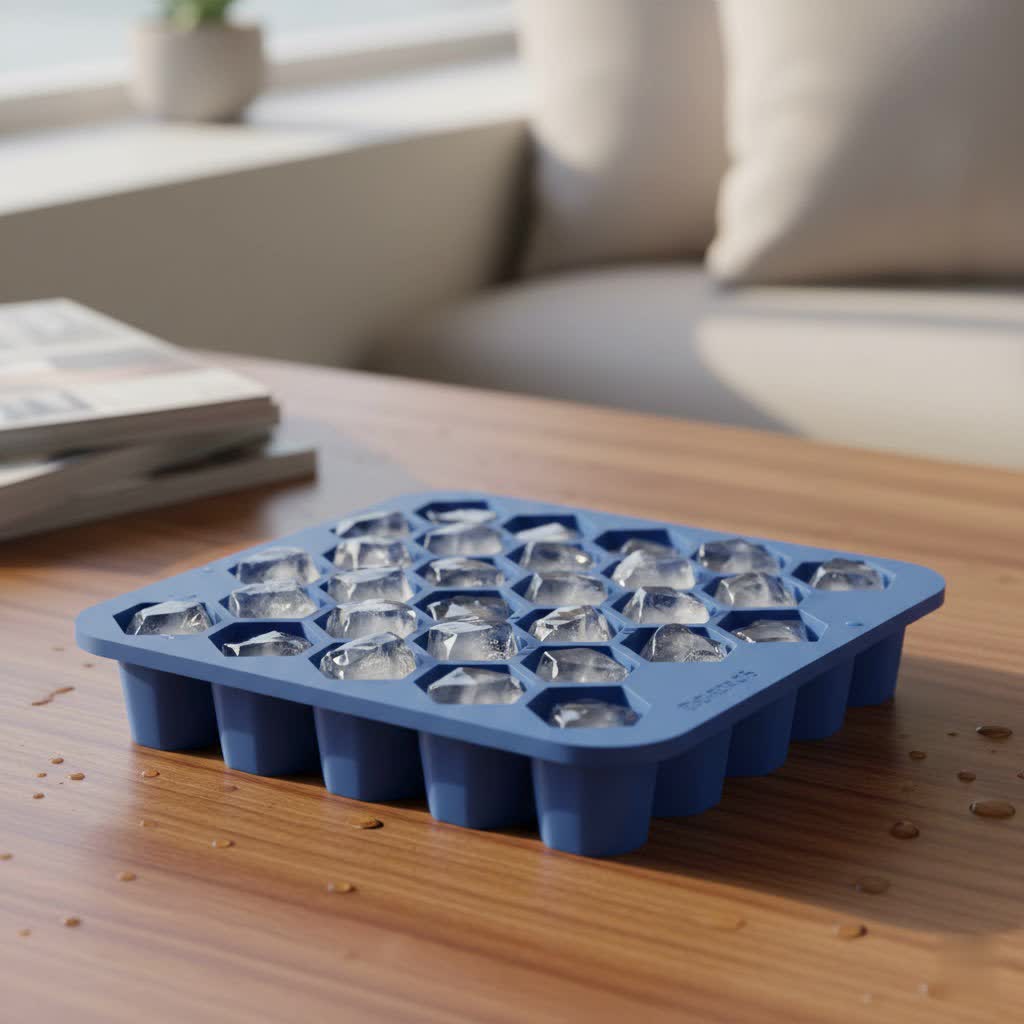
- Crushed/Nugget Ice Trays: For those who crave the chewable ice found in fast-food restaurants, specialized trays mimic this texture. These often produce a large quantity of very small, somewhat irregular ice pieces, perfect for slushy drinks or an enjoyable chewing experience. They are frequently made from silicone to aid in releasing the numerous small cubes.
- Tiny Sphere and Novelty Trays: Beyond standard cubes, tiny ice trays can produce miniature spheres, stars, hearts, or other fun shapes. These are primarily for aesthetic appeal, adding a decorative touch to cocktails, kids’ drinks, or small desserts. They are almost exclusively made from flexible silicone to ensure the detailed shapes release cleanly.
|
Our Picks for the Best Ice Tray in 2026
We may earn a commission when you use one of our links to make a purchase.
|
||
| Num | Product | Action |
|---|---|---|
| 1 | 3 Pack Ice Trays for Freezer, 99 PCS Ice Cube Tray with Lid and Bin, Round Ice Cube Mold, Circle Ice Maker for Chilling Drinks (0.8 inch, Blue) |

|
| 2 | GORILLA GRIP BPA-Free Easy Release Ice Cube Tray for Freezer, Make Lots of Ice, 56 Cubes Total, Kit Includes 2 Stackable Leakproof Trays with Lid and Soft Handle Grips, Scooper, Bin, For Coffee, Red |
|
| 3 | Extra Large Reusable Ice Cubes for Drinks(1.9” Sq.) - 6 Pack BPA-Free Plastic Ice Cube - Chills Drinks Without Diluting Suitable for Large Containers, Water Pitchers, Cold Therapy Devices |
|
| 4 | GORILLA GRIP BPA-Free Easy Release Ice Cube Tray for Freezer, Make Lots of Ice, 56 Cubes Total, Kit Includes 2 Stackable Leakproof Trays with Lid and Soft Handle Grips, Scooper, Bin, For Coffee, Gray |
|
| 5 | Ice Cube Trays for Freezer - 3 Pack 42 Cubes, Easy to Release Silicone Ice Trays with Spill-Resistant Lids, Reusable Ice Tray,Stackable and BPA-Free, Perfect for Cocktails, Drinks,and Ice Coffee |
|
| 6 | Ice Cube Trays, Silicone Easy-Release and Flexible 14-Ice Trays with Spill-Resistant Removable Lid, BPA Free, Durable and Dishwasher Safe, 2 Pack |
|
| 7 | OXO Good Grips Ice Cube Tray - 2 Pack White |
|
| 8 | DOQAUS Ice Cube Tray with Lid and Bin - 4 Pack Silicone Ice Cube Trays for Freezer, Stackable Ice Bucket Kits with Storage Container & Scoop for Kitchen, RV, Cocktail, Coffee |
|
| 9 | Ice Tray Easy Release White Ice Cube Trays, 16 Cube (Pack of 2) (2867-WHT-2) |
|
| 10 | Ice Cube Tray 5 Pack, Stackable Silicone Ice Cube Trays with Lid– Easy Release Reusable Ice Tray, BPA-Free Rectangular Ice Cube Mold Set for Cocktails, Coffee, Whiskey & Drinks- Black |
|
The Undeniable Benefits of Miniature Ice Cubes
Why opt for tiny ice when larger cubes are readily available? The advantages extend far beyond mere aesthetics, impacting both the functionality and enjoyment of your drinks and food.
Rapid Cooling for Your Favorite Beverages
Tiny ice cubes have a greater surface area-to-volume ratio compared to larger cubes. This means they can chill your drinks much faster. For cold brew coffee, iced tea, or a quick glass of water on a hot day, this rapid cooling is a significant advantage, getting your beverage to the desired temperature in moments.
Perfect for Craft Cocktails and Fine Spirits
Mixologists often prefer tiny ice for certain cocktails, especially those served in smaller glasses or requiring a quick chill without over-dilution from large, slow-melting cubes. Tiny cubes are ideal for tiki drinks, where the smaller ice provides an authentic texture, or for chilling spirits that benefit from a brief, intense cold. They also fit gracefully into delicate glassware.
The Enjoyment of Chewable Ice
For many, the satisfying crunch of chewable ice is a simple pleasure. Tiny ice, particularly the “nugget” or “crushed” varieties, offers this experience without the hard, jaw-stressing impact of larger, denser cubes. It’s a comforting texture that can enhance the drinking experience.
Versatility Beyond Just Drinks
Tiny ice trays are remarkably versatile tools in the kitchen, extending their utility far beyond making ice for beverages.
- Baby Food Portions: Freeze homemade baby food purees in tiny compartments for perfectly sized, ready-to-thaw portions. This reduces waste and ensures your little one always has fresh, nutritious meals.
- Freezing Herbs and Sauces: Preserve fresh herbs in olive oil, or portion out pesto, tomato paste, and homemade stocks into miniature cubes. These can be easily dropped into hot pans or soups, adding instant flavor without needing to defrost large batches.
- Mini Desserts and Treats: Use tiny ice trays to create bite-sized chocolate squares, yogurt bites with fruit, or mini fruit purees. They are excellent for portion control and making quick, refreshing snacks.
- First-Aid and Beauty: Freeze aloe vera for soothing sunburns, or green tea for de-puffing eyes. Tiny ice can also be used in small cold packs for minor aches.
Important Considerations When Choosing Tiny Ice Trays
While the benefits are numerous, it’s essential to be aware of potential drawbacks and factors that might influence your choice.
Faster Melting and Dilution
One inherent characteristic of smaller ice is its tendency to melt more quickly than larger, denser cubes. This can lead to faster dilution of your drink, especially if the liquid being chilled is initially warm. For drinks where slow dilution is paramount, such as a neat whiskey, larger ice spheres or cubes might be more suitable. However, for beverages meant to be consumed quickly or those that benefit from rapid cooling, this isn’t a significant issue.
Filling and Spillage
Some tiny ice trays, particularly those with very small or numerous compartments, can be slightly challenging to fill without spilling. Water can easily slosh over, making transport to the freezer tricky. Trays with rigid frames or those that come with lids can significantly mitigate this issue, offering a more stable and mess-free experience.
Essential Features to Look for in a Tiny Ice Tray
To ensure you invest in a tiny ice tray that truly meets your needs, consider these key features during your selection process.
Material Quality and Safety
Prioritize trays made from food-grade silicone or BPA-free plastic. These materials are safe for food contact, durable, and generally free from harmful chemicals. Silicone offers superior flexibility for easy ice release, while quality plastic trays provide sturdiness and can be very long-lasting. Look for certifications if available.
The Importance of a Lid
An ice tray with a well-fitting lid is a game-changer. Lids offer several critical benefits:
- Hygiene and Odor Prevention: They protect ice from absorbing unwanted freezer odors from other foods, ensuring your ice always tastes fresh and clean.
- Spill Prevention: Lids prevent spills during transport from the sink to the freezer, especially valuable for trays with small compartments.
- Stackability: Many lidded trays are designed to stack neatly, optimizing freezer space and preventing other items from contaminating the ice.
Ease of Ice Release
This is paramount for a positive user experience. Silicone trays typically excel here due to their inherent flexibility, allowing you to simply twist or push from the bottom to release cubes. For plastic trays, look for designs that incorporate a “quick release” mechanism or have slightly tapered compartments. Avoid trays where you have to struggle to get the ice out, as this can be frustrating and lead to cracked cubes.
Durability and Construction
A good tiny ice tray should feel robust and well-made. Check for sturdy edges and construction, particularly in plastic models. For silicone trays, ensure the material is thick enough to hold its shape when filled, preventing wobbling and spills. Durable trays will withstand repeated freezing and thawing cycles without cracking or deteriorating.
Capacity and Cube Size
Consider how much ice you need and the specific size of the “tiny” cubes. Some trays offer mini cubes that are still distinct, while others produce very fine “crushed” ice. Choose a tray with a capacity that suits your household’s demand and a cube size appropriate for your intended use, whether it’s for cocktails, baby food, or simply chilling a glass of water.
Expert Tips for Using and Maintaining Your Tiny Ice Tray
Maximizing the lifespan and performance of your tiny ice tray is simple with a few expert tips.
- Clean Before First Use: Always wash your new ice tray thoroughly with warm, soapy water before its initial use to remove any manufacturing residues.
- Don’t Overfill: Fill compartments just below the rim to allow for water expansion during freezing, preventing uneven cubes and spills. If using a lid, ensure there’s enough space for it to seal properly without pressing into the water.
- Effortless Release: For silicone trays, gently twist the tray or push up on the bottom of each compartment. For plastic trays, a quick rinse of the underside with warm water can help release stubborn cubes.
- Regular Cleaning: Wash your ice trays regularly to prevent the buildup of mineral deposits or lingering food odors, especially if you use them for more than just water. Most silicone and many plastic trays are dishwasher-safe; always check manufacturer instructions.
- Proper Storage: Once the ice is frozen and removed, store clean, dry trays in a cabinet or drawer. If storing ice cubes separately in a bin, ensure the bin is airtight to prevent freezer burn and odor absorption.
Top Tiny Ice Trays You’ll Love
Based on my extensive experience and consumer feedback, certain types of tiny ice trays consistently stand out for their quality, design, and performance.
- The Flexible Silicone Mini Cube Tray: These are often hailed for their sheer practicality. With 100+ small, perfectly formed cavities, they produce an abundance of ice. Their highly flexible silicone construction makes releasing even the smallest cubes a breeze, perfect for quickly chilling drinks or preparing a batch of frozen herbs. Many come with lids for mess-free filling and stacking.
- The Durable Plastic Crushed Ice Maker: For those prioritizing robustness and a specific type of ice, sturdy plastic trays designed for crushed or nugget ice are excellent. While they may require a gentle twist for release, their durable construction means they can withstand frequent use. Some models integrate a small scoop and storage bin, making ice collection and serving even more convenient.
- The Stackable Mini Sphere Mold: If aesthetics and unique drink experiences are a priority, mini sphere molds are a fantastic choice. Often made from two pieces of silicone that fit together, they create small, perfectly round ice balls that are a visual delight in cocktails or lemonade. Their stackable design helps save precious freezer space.
Conclusion
The journey to perfectly chilled beverages and innovative culinary practices often starts with the right tools. Tiny ice trays, with their ability to rapidly cool drinks, offer versatile applications, and cater to specific preferences like chewable ice, are an indispensable addition to any modern kitchen. By considering factors like material, the presence of a lid, and ease of release, you can confidently select a tiny ice tray that not only meets but exceeds your expectations. Embrace the world of miniature ice and discover how a small change can make a significant difference in your daily routines.
What tiny ice creation will you embark on first?
Frequently Asked Questions
What are tiny ice trays primarily used for?
Tiny ice trays are primarily used for rapidly chilling beverages like cocktails, iced coffee, and sodas due to their increased surface area. They are also highly versatile for freezing small portions of baby food, herbs, sauces, and making mini desserts.
Do tiny ice cubes melt faster than large ones?
Yes, tiny ice cubes generally melt faster than larger ice cubes or spheres. This is because they have a greater surface area exposed to the liquid, allowing for quicker heat transfer. While this means faster chilling, it can also lead to more rapid dilution of your drink.
What is the best material for a tiny ice tray?
Food-grade silicone is often considered the best material for tiny ice trays due to its flexibility, which allows for extremely easy release of the small cubes. Silicone is also durable, often dishwasher-safe, and less likely to absorb odors compared to some plastics.
How do I prevent tiny ice cubes from sticking in the tray?
For silicone trays, a gentle twist or pushing up from the bottom of each cavity usually releases the cubes effortlessly. For plastic trays, running the underside of the tray under warm water for a few seconds can help loosen the ice, making it easier to pop them out.
Can I use tiny ice trays for things other than water?
Absolutely! Tiny ice trays are excellent for freezing various liquids and foods. Popular alternative uses include freezing baby food purees, lemon juice, coffee, herbs in oil, pesto, stock, chocolate, and even making small gelatin or yogurt bites.