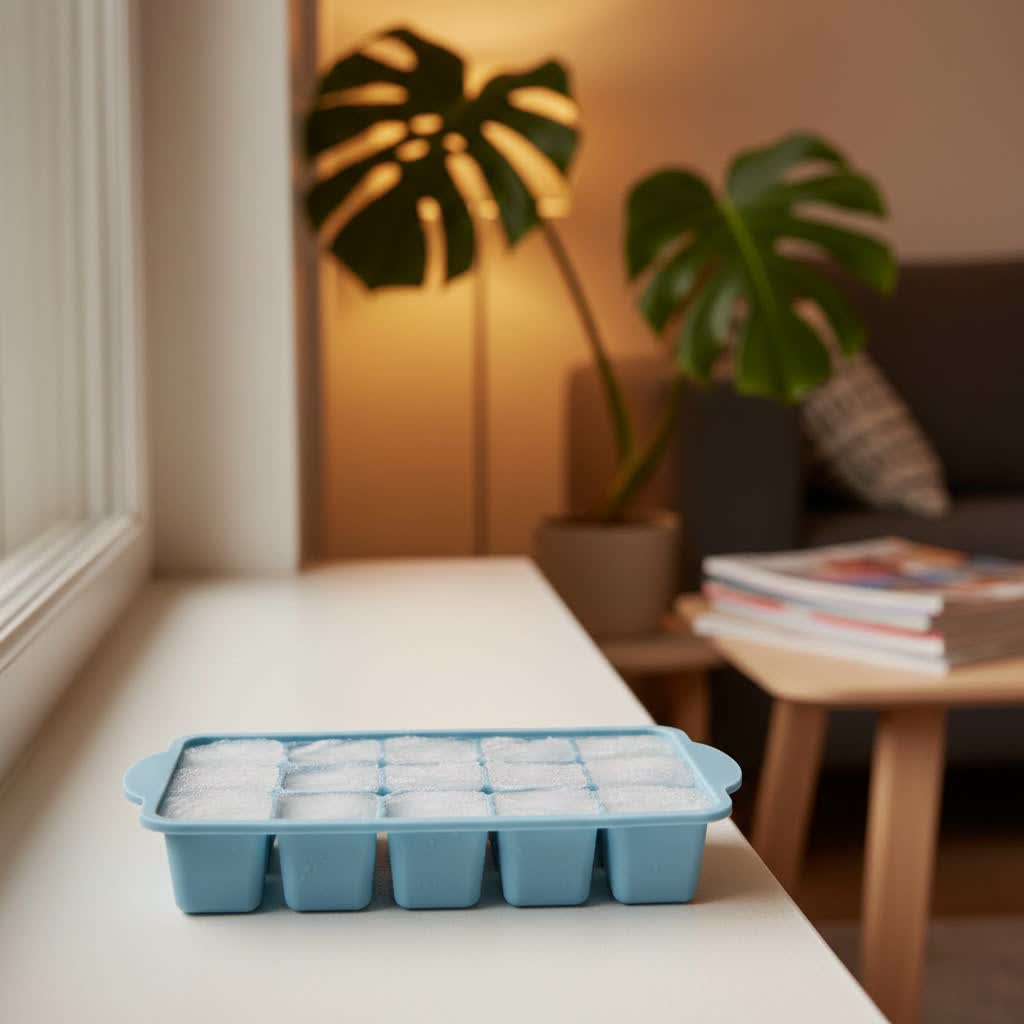
In the realm of kitchen essentials, the humble Ice Cube Maker Tray often goes unnoticed until the moment you truly need a refreshing, perfectly chilled drink. Far from being a mere accessory, a good ice tray can elevate your beverage experience, ensuring your iced coffee, cocktail, or even a simple glass of water is always at its best. However, with an overwhelming array of options available, selecting the ideal ice tray can be surprisingly complex. This comprehensive guide, crafted from years of experience in home appliances and kitchenware, aims to demystify the choices, helping you find an ice cube maker tray that perfectly suits your lifestyle and keeps your drinks delightfully cool.
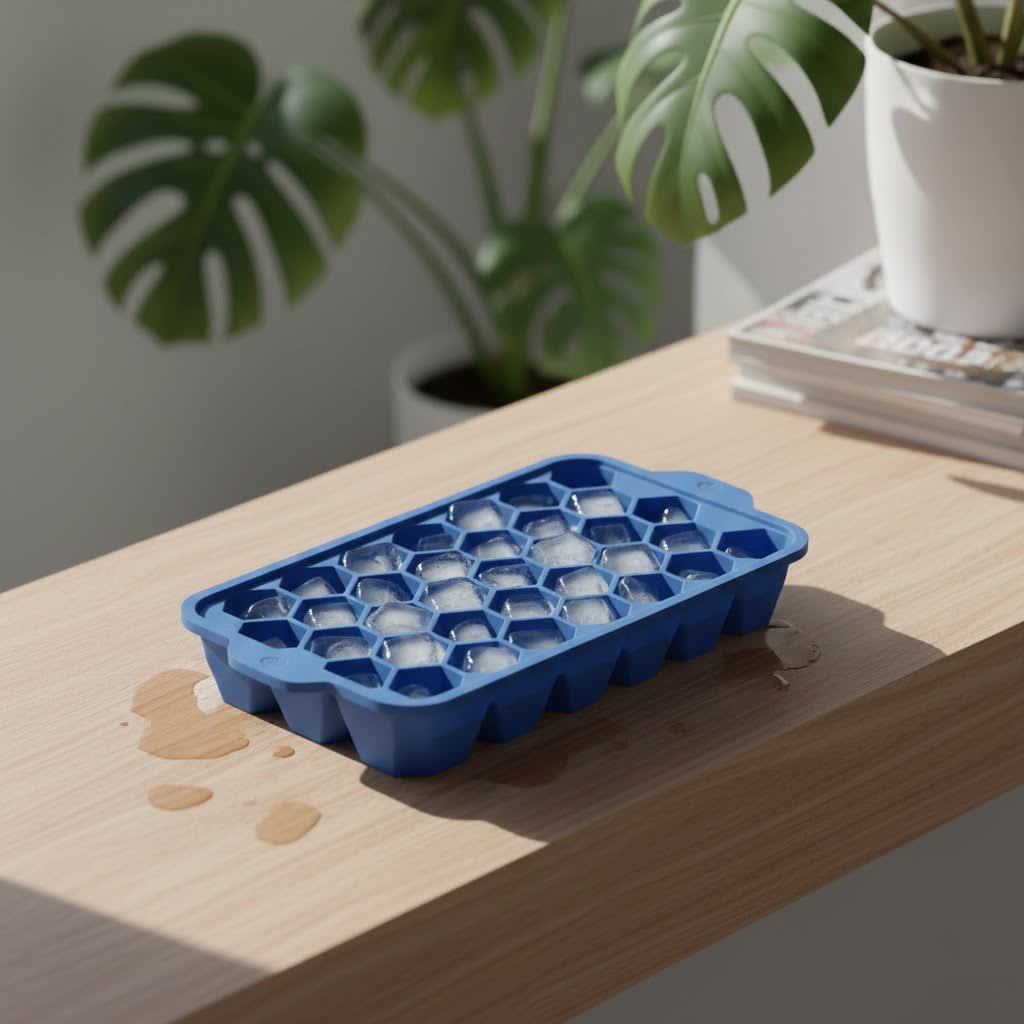
Exploring the Popular Types of Ice Cube Maker Trays
Understanding the different materials and designs of ice cube trays is the first step in making an informed decision. Each type offers distinct advantages and disadvantages that can impact everything from convenience to ice quality.
Plastic Ice Cube Trays
- Advantages: Plastic trays are the most budget-friendly and readily available option on the market. They are lightweight and come in a vast range of sizes and cube counts, making them a common choice for everyday use.
- Disadvantages: A major drawback of plastic trays is their tendency to absorb freezer odors over time, potentially tainting the taste of your ice. They can also be brittle, prone to cracking or snapping when twisted to release ice, and often make ice difficult to extract without significant effort.
|
Our Picks for the Best Ice Tray in 2026
We may earn a commission when you use one of our links to make a purchase.
|
||
| Num | Product | Action |
|---|---|---|
| 1 | GORILLA GRIP BPA-Free Easy Release Ice Cube Tray for Freezer, Make Lots of Ice, 56 Cubes Total, Kit Includes 2 Stackable Leakproof Trays with Lid and Soft Handle Grips, Scooper, Bin, For Coffee, Red |

|
| 2 | Ice Cube Trays for Freezer - 3 Pack 42 Cubes, Easy to Release Silicone Ice Trays with Spill-Resistant Lids, Reusable Ice Tray,Stackable and BPA-Free, Perfect for Cocktails, Drinks,and Ice Coffee |
|
| 3 | Ice Cube Tray 5 Pack, Stackable Silicone Ice Cube Trays with Lid– Easy Release Reusable Ice Tray, BPA-Free Rectangular Ice Cube Mold Set for Cocktails, Coffee, Whiskey & Drinks- Black |
|
| 4 | 3 Pack Ice Trays for Freezer, 99 PCS Ice Cube Tray with Lid and Bin, Round Ice Cube Mold, Circle Ice Maker for Chilling Drinks (0.8 inch, Blue) |
|
| 5 | DOQAUS Ice Cube Tray with Lid and Bin - 4 Pack Silicone Ice Cube Trays for Freezer, Stackable Ice Bucket Kits with Storage Container & Scoop for Kitchen, RV, Cocktail, Coffee |
|
| 6 | Ice Cube Trays, Silicone Easy-Release and Flexible 14-Ice Trays with Spill-Resistant Removable Lid, BPA Free, Durable and Dishwasher Safe, 2 Pack |
|
| 7 | Ice Tray Easy Release White Ice Cube Trays, 16 Cube (Pack of 2) (2867-WHT-2) |
|
| 8 | OXO Good Grips Ice Cube Tray - 2 Pack White |
|
| 9 | Extra Large Reusable Ice Cubes for Drinks(1.9” Sq.) - 6 Pack BPA-Free Plastic Ice Cube - Chills Drinks Without Diluting Suitable for Large Containers, Water Pitchers, Cold Therapy Devices |
|
| 10 | GORILLA GRIP BPA-Free Easy Release Ice Cube Tray for Freezer, Make Lots of Ice, 56 Cubes Total, Kit Includes 2 Stackable Leakproof Trays with Lid and Soft Handle Grips, Scooper, Bin, For Coffee, Gray |
|
Silicone Ice Cube Trays
- Advantages: Silicone trays are celebrated for their incredible flexibility, which makes releasing ice cubes exceptionally easy – often requiring just a gentle push from the bottom. They are typically food-grade, BPA-free, and less likely to absorb odors compared to plastic, ensuring cleaner-tasting ice. Many are also dishwasher-safe for effortless cleaning.
- Disadvantages: Generally, silicone trays come at a higher price point than plastic. While flexible, some designs might be flimsy, making them prone to spills if not handled carefully when full.
Stainless Steel Ice Cube Trays
- Advantages: For durability and a premium feel, stainless steel trays are unmatched. They are extremely long-lasting, resistant to odors and stains, and often feature a lever mechanism for easy ice release. Stainless steel also cools water faster, allowing for quicker ice production.
- Disadvantages: Stainless steel trays are typically the most expensive option. While robust, some users might find the lever mechanism less intuitive than the flexibility of silicone, and they can be heavier than other types.
Lidded Ice Cube Trays
- Advantages: Trays equipped with lids offer multiple benefits. They prevent spills when transporting the tray to the freezer, protect the ice from absorbing unwanted freezer odors, and allow for efficient stacking, saving valuable freezer space.
- Disadvantages: While highly functional, some lids can be flimsy or difficult to secure properly. They might also add a slight amount of bulk to the tray, which could be a concern for very small freezers.
Novelty and Specialty Ice Cube Trays
- Advantages: These trays focus on aesthetics, creating unique ice shapes like spheres, oversized cubes, or whimsical designs. They are perfect for special occasions, cocktails, or simply adding a fun touch to your drinks. Large cubes and spheres melt slower, keeping drinks colder for longer with less dilution.
- Disadvantages: Depending on the intricate design, novelty trays can sometimes be more challenging to fill evenly or release ice from. They might also be more specialized in their use, making them less practical for everyday, high-volume ice production.
Detailed Comparison of Ice Cube Maker Trays
To help you visualize the differences, here’s a detailed comparison across key criteria for the most common ice tray types:
| Feature | Plastic Ice Tray | Silicone Ice Tray | Stainless Steel Ice Tray |
|---|---|---|---|
| Material Safety | Can contain BPA (check labels), some are food-grade PP | Food-grade silicone, typically BPA-free | Food-grade stainless steel, highly safe |
| Ease of Ice Release | Often difficult, requires twisting/force | Excellent, flexible material allows easy push-out | Good, often with a lever mechanism |
| Odor Resistance | Poor, prone to absorbing freezer smells | Good, less likely to absorb odors | Excellent, highly resistant to odors and stains |
| Durability | Low, prone to cracking and breaking | Medium to high, durable but can be punctured | Very High, extremely long-lasting, rust-resistant |
| Freezing Time | Standard | Standard | Faster due to better thermal conductivity |
| Ease of Cleaning | Easy, but can stain and retain odors | Very Easy, often dishwasher safe | Easy, dishwasher safe, resists stains |
| Price Range | Lowest | Medium | Highest |
This comparison highlights that while plastic offers affordability, silicone balances ease of use with safety, and stainless steel provides premium durability and performance.
Your Guide to Choosing the Perfect Ice Cube Maker Tray
Selecting the right ice tray involves considering your specific needs and priorities. Here’s a step-by-step approach to ensure you pick a winner:
Determine Your Usage Needs
- Quantity and Frequency: Do you need a large volume of ice daily for a busy household, or just a few cubes for occasional drinks? This will influence the number of trays or the capacity you look for.
- Desired Ice Size and Shape: Are you making everyday ice for water bottles, larger cubes for whiskey and cocktails, or decorative spheres for entertaining? Different trays specialize in different ice forms.
- Storage Space: Consider the available space in your freezer. Stackable trays or those with integrated bins can be space-savers.
Prioritize Safe and Durable Materials
- Health First: Always opt for food-grade materials. For plastic, look for “BPA-free” or “PP” (polypropylene) plastic. Food-grade silicone and high-quality stainless steel are generally considered the safest options.
- Longevity: If you use ice frequently, investing in a durable material like silicone or stainless steel will save you from frequently replacing flimsy plastic trays.
Evaluate Ease of Use and Cleaning
- Effortless Release: One of the most common frustrations with ice trays is difficulty in releasing cubes. Silicone trays excel here. For plastic or stainless steel, look for features like a flexible bottom or an integrated lever mechanism.
- Simple Maintenance: Check if the tray is dishwasher-safe. Easy-to-clean designs, especially those that prevent odor absorption, will make your life much simpler.
Consider Additional Features
- Lids for Freshness and Storage: Lids are invaluable for preventing spills, protecting ice from freezer burn and odors, and allowing you to stack trays efficiently.
- Integrated Storage Bins: Some systems come with a tray and a lidded bin, allowing you to make and store a larger batch of ice, perfect for parties or high-demand use.
- Portioning: Some trays, originally designed for freezing baby food or herbs, can double as ice makers, offering precise portioning for specialized needs.
Consult User Reviews and Expert Opinions
Before finalizing your purchase, take advantage of online reviews. Real-world feedback from other users can provide valuable insights into a product’s true performance, durability, and any potential issues not apparent from product descriptions.
“The difference a well-designed ice tray makes is often underestimated. It’s not just about freezing water; it’s about the pure, untainted taste of your drink.” – Admin, ReviewLynk.com, Appliance & Kitchenware Expert
Essential Tips for Using and Maintaining Your Ice Cube Maker Tray
Even the best ice tray benefits from proper care and usage.
- Initial Wash: Always wash your new ice cube maker tray thoroughly with soap and warm water before its first use to remove any manufacturing residues.
- Avoid Overfilling: Filling the compartments to the brim can make ice difficult to release and may cause cubes to stick together. Leave a small gap at the top of each cavity.
- Easy Release Techniques:
- For silicone trays, simply push up on the bottom of each cube.
- For plastic or stainless steel, a slight twist or running warm water over the back of the tray for a few seconds can help loosen the cubes.
- Regular Cleaning: Wash your ice tray regularly, ideally after every few uses, to prevent the buildup of mineral deposits and to eliminate any odors that might accumulate from the freezer environment. Use mild dish soap and warm water, and air dry completely.
- Odor Prevention: If your freezer has strong-smelling foods, using a lidded ice tray is crucial to prevent your ice from absorbing those odors. You can also place an open box of baking soda in your freezer to neutralize smells.
- Quality Water Matters: For the best-tasting ice, use filtered water. Tap water can contain impurities that affect taste and sometimes even the clarity of your ice.
- Proper Storage: Store clean, dry trays in a cabinet or stacked in the freezer. If storing in the freezer with ice, ensure lids are securely in place to maintain freshness.
Top Ice Cube Maker Trays Favored by Users and Experts
Based on extensive testing and consumer feedback, several ice cube maker trays consistently stand out for their innovative design, durability, and ease of use.
- W&P Peak Silicone Everyday Ice Tray: Consistently rated as a top performer, this silicone tray is praised for its sturdy design, easy-release cubes, and a protective lid that prevents spills and odors. It’s an excellent all-rounder for daily use and crafting perfectly square cubes.
- OXO No Spill Ice Cube Tray with Silicone Lid: This tray is a favorite for its thoughtful features, including a secure silicone lid that prevents spills and odors, and large handles for easy carrying. Its durable construction and effortless cube release make it a strong contender for value and functionality.
- PHINOX Ice Cube Tray with Lid and Bin: Ideal for those who need a continuous supply of ice, this system includes a lidded tray and a spacious storage bin. It’s designed for convenience, allowing you to easily make and store a larger volume of fresh, untainted ice.
- Tovolo Sphere Ice Molds: For connoisseurs of fine drinks, these silicone molds create perfectly clear, slow-melting ice spheres. They are highly regarded for elevating cocktails and spirits by minimizing dilution and adding a sophisticated touch.
- Onyx Stainless Steel 18-Slot Ice Cube Tray: This stainless steel option appeals to those seeking an eco-friendly and extremely durable alternative. It promises superior longevity and hygiene, with a classic design that includes a lever for releasing ice.
Each of these options brings a unique blend of features to the table, catering to different preferences for material, capacity, and ice style.
Conclusion
Choosing the right ice cube maker tray is more than just a mundane kitchen decision; it’s about enhancing your daily hydration and entertaining experiences. Whether you prioritize affordability, ease of use, durability, or a touch of elegance with specialty ice, there’s a perfect tray waiting for you. By considering the material, design, and your specific needs, you can confidently select an ice cube maker tray that will serve you well for years to come, ensuring every drink is perfectly chilled and refreshing. Which type of ice cube maker tray do you find most essential in your kitchen, and why?
Frequently Asked Questions
What is the best material for an ice cube tray?
The best material depends on your priorities. Silicone offers the easiest ice release and is generally durable and safe. Stainless steel provides unmatched durability and prevents odor absorption, while food-grade plastic is the most affordable option, though it can be less durable and sometimes absorbs smells.
How do I prevent my ice cubes from tasting bad?
To prevent bad-tasting ice, use filtered water, cover your ice cube maker tray with a lid to block freezer odors, and clean your tray regularly. Also, consider upgrading to a silicone or stainless steel tray, as plastic is more prone to absorbing smells.
Can I put my ice cube tray in the dishwasher?
Many silicone and stainless steel ice cube maker trays are dishwasher-safe, making cleanup convenient. Most modern plastic trays are also dishwasher-safe, but always check the manufacturer’s instructions to ensure proper care and prevent warping.
Why are my ice cubes sticking to the tray?
Ice cubes often stick due to overfilling, which causes them to fuse together, or due to the material of the tray. Plastic trays are particularly notorious for sticking. Switching to a flexible silicone tray or using release techniques like twisting or running warm water over the back can help.
Are large ice cubes better than small ones?
Yes, large ice cubes and spheres generally melt slower than smaller ones. This means they will keep your drink colder for a longer period with less dilution, preserving the flavor of your beverage, especially ideal for spirits and cocktails.
How do I make clear ice cubes at home?
Making clear ice cubes often involves a directional freezing method. This typically requires a specialized clear ice mold that insulates the sides and bottom, allowing water to freeze slowly from the top down, pushing impurities and air bubbles out of the ice.