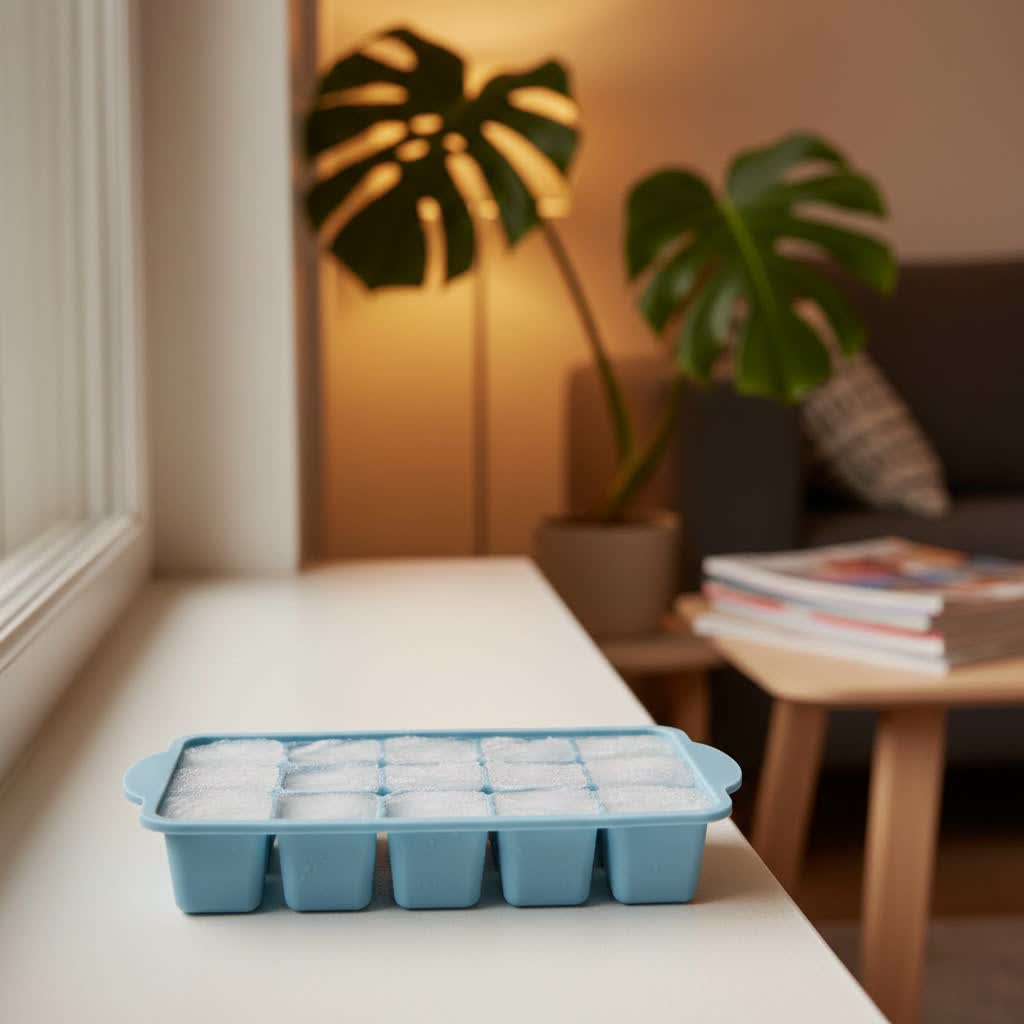
There’s an undeniable allure to crushed ice, transforming an ordinary beverage into a refreshing escape. Whether it’s the satisfying crunch, the way it perfectly chills a cocktail, or its elegant appearance, crushed ice elevates the drinking experience. While countertop ice machines can be bulky and manual crushing methods messy, the good news is that specialized Crushed Ice Trays offer a convenient and efficient solution for achieving that coveted frosty texture right in your home freezer. Let’s explore the world of crushed ice trays and find the optimal solution for your chilling needs.
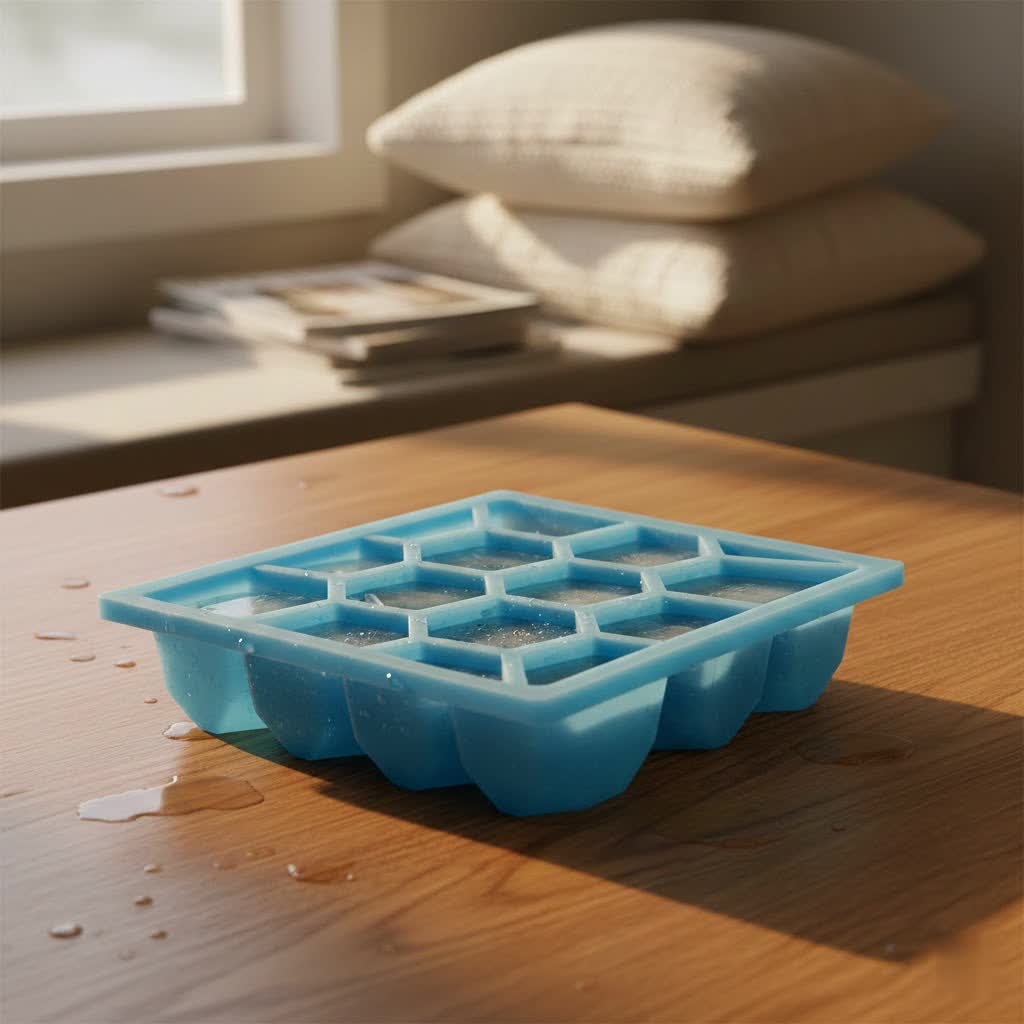
The Irresistible Charm of Crushed Ice
Why does crushed ice hold such a special place in our hearts, especially during warmer months? It’s more than just a preference; it’s about superior cooling, delightful texture, and enhanced presentation. Crushed ice boasts a larger surface area compared to standard ice cubes, allowing it to chill your drinks much faster. This rapid cooling means your beverage reaches its ideal temperature quickly, without excessive dilution. Furthermore, the distinctive texture is perfect for certain cocktails like mojitos, mint juleps, and Moscow mules, where the small ice shards become an integral part of the drink, slowly releasing their chill and providing a pleasant crunch. Beyond drinks, its versatility extends to keeping food fresh on a buffet or even as a soothing cold compress.
Popular Types of Crushed Ice Trays
When you’re aiming for that perfect crushed ice, not all trays are created equal. Different designs cater to various preferences for achieving small, manageable ice pieces.
Mini Cube Silicone Trays
|
Our Picks for the Best Ice Tray in 2026
We may earn a commission when you use one of our links to make a purchase.
|
||
| Num | Product | Action |
|---|---|---|
| 1 | Extra Large Reusable Ice Cubes for Drinks(1.9” Sq.) - 6 Pack BPA-Free Plastic Ice Cube - Chills Drinks Without Diluting Suitable for Large Containers, Water Pitchers, Cold Therapy Devices |

|
| 2 | Ice Cube Tray 5 Pack, Stackable Silicone Ice Cube Trays with Lid– Easy Release Reusable Ice Tray, BPA-Free Rectangular Ice Cube Mold Set for Cocktails, Coffee, Whiskey & Drinks- Black |
|
| 3 | GORILLA GRIP BPA-Free Easy Release Ice Cube Tray for Freezer, Make Lots of Ice, 56 Cubes Total, Kit Includes 2 Stackable Leakproof Trays with Lid and Soft Handle Grips, Scooper, Bin, For Coffee, Gray |
|
| 4 | Ice Cube Trays, Silicone Easy-Release and Flexible 14-Ice Trays with Spill-Resistant Removable Lid, BPA Free, Durable and Dishwasher Safe, 2 Pack |
|
| 5 | 3 Pack Ice Trays for Freezer, 99 PCS Ice Cube Tray with Lid and Bin, Round Ice Cube Mold, Circle Ice Maker for Chilling Drinks (0.8 inch, Blue) |
|
| 6 | Ice Cube Trays for Freezer - 3 Pack 42 Cubes, Easy to Release Silicone Ice Trays with Spill-Resistant Lids, Reusable Ice Tray,Stackable and BPA-Free, Perfect for Cocktails, Drinks,and Ice Coffee |
|
| 7 | OXO Good Grips Ice Cube Tray - 2 Pack White |
|
| 8 | DOQAUS Ice Cube Tray with Lid and Bin - 4 Pack Silicone Ice Cube Trays for Freezer, Stackable Ice Bucket Kits with Storage Container & Scoop for Kitchen, RV, Cocktail, Coffee |
|
| 9 | Ice Tray Easy Release White Ice Cube Trays, 16 Cube (Pack of 2) (2867-WHT-2) |
|
| 10 | GORILLA GRIP BPA-Free Easy Release Ice Cube Tray for Freezer, Make Lots of Ice, 56 Cubes Total, Kit Includes 2 Stackable Leakproof Trays with Lid and Soft Handle Grips, Scooper, Bin, For Coffee, Red |
|
These trays are specifically designed with numerous tiny cavities, often ranging from 120 to 160 per tray. The resulting small ice cubes closely mimic the size and feel of crushed ice, making them ideal for those who prefer not to manually crush larger cubes. Silicone’s inherent flexibility is a major advantage here, allowing for exceptionally easy release of these small, delicate cubes with a simple twist or push from the bottom. They are a popular choice for cocktails, smoothies, and general beverage chilling where a “crushed” effect is desired without extra effort.
Dedicated Pebble/Nugget Ice Molds
Some specialized trays attempt to replicate the beloved “pebble ice,” also known as nugget ice, which is slightly aerated and softer to chew. While a true pebble ice machine offers the authentic experience, certain silicone molds are designed to produce smaller, more irregular shapes that provide a similar, satisfying texture. These trays focus on the unique mouthfeel of pebble ice, often featuring more rounded or granular cavities rather than strict cubes.
Flexible Plastic Trays for Small Cubes
While not as pliable as silicone, some BPA-free plastic trays feature designs that produce smaller ice cubes or have flexible bottoms for easier release. These strike a balance between the rigidity of traditional plastic and the ease of use found in silicone. They are generally more affordable and can be a good entry-level option for those looking to try making smaller ice without a significant investment. However, their flexibility may vary, potentially requiring more effort to release the ice than a pure silicone alternative.
Comparing Crushed Ice Tray Materials
The material of your crushed ice tray significantly impacts its performance, durability, and ease of use. Understanding these differences will help you make an informed decision.
Silicone Ice Trays
Silicone has become a favorite for many, especially when making smaller ice cubes.
- Pros: Highly flexible, which makes releasing numerous small cubes effortless. They are often BPA-free, durable, and their non-stick surface ensures cubes pop out cleanly. Silicone is also versatile, suitable for freezing herbs, broths, or even small candies.
- Cons: Some silicone trays can be quite floppy, making them challenging to transport from the sink to the freezer without spills. Additionally, if not cleaned thoroughly and regularly, silicone can sometimes absorb freezer odors.
Plastic (BPA-free) Ice Trays
Traditional plastic trays remain a common choice, particularly for their cost-effectiveness.
- Pros: Generally very affordable and lightweight. Many plastic trays are designed to be stackable, which is excellent for maximizing freezer space. When specifically designed for small cubes, some rigid plastic trays can still offer decent performance.
- Cons: Plastic can become brittle over time and may crack, especially with frequent twisting for ice release. Releasing small cubes from rigid plastic can be more difficult than from silicone, potentially leading to splintered ice. Like silicone, they can absorb odors if not properly maintained.
Stainless Steel Ice Trays
While less common for specialized crushed ice trays, stainless steel offers distinct advantages in durability and hygiene.
- Pros: Extremely durable and resistant to rust, staining, and odor absorption, making them a long-lasting and hygienic option. They provide a classic, robust feel.
- Cons: Stainless steel trays are typically more expensive. Their rigidity makes ice release more challenging, especially for small cubes, often requiring a lever mechanism. They are also less common in designs specifically geared towards mini or crushed ice, typically producing standard-sized cubes.
| Material | Easy Release | Durability | Odor Absorption | Price Range |
|---|---|---|---|---|
| Silicone | Excellent | Good | Can absorb | $$ |
| Plastic | Fair to Good | Fair | Can absorb | $ |
| Stainless Steel | Difficult | Excellent | Low | $$$ |
Key Features to Look for in a Crushed Ice Tray
Choosing the right crushed ice tray involves more than just selecting a material; it’s about finding features that enhance your experience. These key attributes ensure convenience, efficiency, and quality in your homemade crushed ice.
Easy Ice Release
This is paramount for crushed ice trays. Because the cubes are small, they can be difficult to extract from rigid molds. Look for trays made from highly flexible silicone or those with innovative push-out mechanisms that allow cubes to release effortlessly without excessive twisting or banging. An effective release system prevents frustration and ensures whole, perfectly formed ice.
Capacity and Quantity
Crushed ice cocktails and beverages often require a substantial amount of ice. Consider trays that offer a high number of small cavities (e.g., 120-160 mini cubes) or come in multi-packs to produce a sufficient supply. Trays with integrated storage bins are also excellent for stockpiling your crushed ice, ensuring you always have enough on hand for guests or frequent use.
Lids for Freshness
A well-fitting lid is a game-changer. It prevents water spills during transport to the freezer and, crucially, protects your ice from absorbing unwanted freezer odors, which can spoil the taste of your drinks. Lids also allow for stackability, making efficient use of precious freezer space.
Stackable Design
For households where freezer real estate is at a premium, stackable trays are a must. This feature, often combined with a lid, allows you to freeze multiple batches of ice without taking up excessive vertical space, keeping your freezer organized and maximizing storage.
BPA-Free Materials
Prioritize trays made from BPA-free materials, whether silicone or plastic. This ensures that no harmful chemicals leach into your ice, making your drinks safe and healthy for everyone. Always check product descriptions for this important certification.
How to Choose the Right Crushed Ice Tray for Your Needs
With a variety of options available, selecting the perfect crushed ice tray can feel overwhelming. By focusing on your personal needs and preferences, you can narrow down the choices and find a tray that truly enhances your home bar or kitchen experience.
Assess Your Crushed Ice Consumption
How often do you find yourself craving a glass of crushed ice? If you’re a daily cold brew enthusiast or regularly host gatherings, you’ll need a higher-capacity solution, perhaps multiple trays or a system with a large storage bin. For occasional use, a single, easy-to-store tray might suffice. Consider the quantity of ice you typically use for a single drink and multiply that by your typical serving needs.
Consider Desired Texture
Are you aiming for perfectly uniform mini cubes, a more rustic “crushed” look, or the soft, chewy texture of pebble ice? Mini cube silicone trays excel at producing small, uniform pieces that are easy to crush further if desired. Some specialized molds are designed to mimic pebble ice, offering a slightly softer, more aerated ice. Understanding the texture you prefer will guide your choice of tray design.
Evaluate Freezer Space
Before committing to a tray, take a quick inventory of your freezer. Large trays with integrated bins, while convenient, can take up a significant amount of space. If you have a compact freezer, look for stackable designs with slim profiles or multi-packs of smaller trays that can be nestled together. Flexible silicone trays also offer the advantage of being able to squeeze into tighter spots once frozen.
Read Reviews and Ratings
Don’t underestimate the power of user feedback. Online reviews can provide invaluable insights into a tray’s real-world performance. Pay close attention to comments regarding ice release (a common pain point for small cubes), durability, ease of cleaning, and whether users found the capacity adequate for their needs. A tray might look good, but user experiences will reveal its true functionality.
Tips for Optimal Use and Care of Your Crushed Ice Tray
To ensure your crushed ice tray delivers perfect ice every time and lasts for years, a few simple best practices for use and maintenance go a long way. These tips will help you maximize your tray’s performance and keep your ice tasting fresh.
Filling Correctly
Avoid overfilling your trays. When cavities are too full, the water can merge across compartments, causing individual cubes to freeze together and making them difficult to release. Most trays have a subtle fill line; if not, leave a small gap at the top of each cavity to allow for expansion during freezing and ensure distinct, easy-to-release cubes. Always place the tray flat in the freezer to prevent spills and uneven freezing.
Effortless Release
If your small ice cubes are sticking, try one of these methods:
- Gentle Twist: For plastic trays, a slight twist of the tray often suffices.
- Push from Bottom: For silicone trays, gently push up on the bottom of each cavity.
- Slight Thaw: Allow the tray to sit at room temperature for one to two minutes before attempting to release. A thin layer of water will form, making release much easier without significant melting. Running the bottom of the tray under cold water briefly can also help.
Regular Cleaning
Just like any kitchen utensil, ice trays need regular cleaning to prevent the buildup of residue and, critically, to avoid absorbing freezer odors. Wash your trays with warm water and mild dish soap after each use. For silicone trays that may have absorbed odors, a deeper clean can involve baking them on a sheet at 350°F (175°C) for 30 minutes, allowing them to cool completely, then washing with soap and water. Choose dishwasher-safe options for ultimate convenience.
Smart Storage
When not in use, store your trays in a way that protects them and your freezer space. If your tray comes with a lid, always use it to prevent freezer burn and odor absorption. Stackable designs are excellent for keeping your freezer organized and making the most of limited room. If you have a bin, store excess ice in it, but ensure the bin itself is clean and has a lid.
Top Crushed Ice Tray Innovations Today
The market for ice trays has evolved, offering innovative designs tailored for crushed ice enthusiasts. While specific product names are outside our scope, we can highlight categories of trays that consistently deliver excellent results.
High-Capacity Silicone Mini Cube Trays
These are a game-changer for anyone who needs a steady supply of small ice. Often featuring 160 or more tiny cavities, they provide ample quantities of ice that are either ready for immediate use as “crushed” ice or perfectly sized for manual crushing. Their all-silicone construction ensures superior flexibility and easy release, a crucial factor when dealing with such small ice pieces. Many also come with lids, offering protection from freezer odors and allowing for stackable storage.
Trays with Integrated Bins and Scoops
Convenience is key with these all-in-one systems. They typically include one or more ice trays (often silicone or a combination of flexible plastic and rigid frame) that stack neatly over a lidded storage bin, complete with a scoop. This design streamlines the entire ice-making process, from freezing to storage and serving, ensuring your crushed ice remains fresh and easily accessible. The bins are often generously sized, allowing you to build up a substantial reserve of ice.
Flexible-Bottom Plastic Trays
For those who prefer the sturdy feel of plastic but desire easier release than traditional rigid trays, flexible-bottom plastic trays offer a smart compromise. These often have a solid plastic frame for stability during transport, combined with softer, more pliable silicone or flexible plastic bottoms for each cavity. This hybrid design makes releasing individual small cubes much simpler, while still offering the durability and often lower price point of plastic.
Conclusion
The pursuit of perfectly chilled beverages is a delightful journey, and choosing the right crushed ice tray is a crucial step in achieving that goal. From enhancing cocktail experiences to offering a satisfying crunch in your everyday drinks, the benefits of crushed ice are undeniable. By considering your usage habits, exploring the diverse materials like flexible silicone and sturdy plastic, and prioritizing features such as easy release and protective lids, you can confidently select a tray that meets your unique needs.
Embrace the joy of effortless crushed ice and elevate your home entertaining or daily hydration. Which crushed ice tray will you choose to transform your next drink into a refreshingly cool masterpiece?
Câu Hỏi Thường Gặp
What is “pebble ice” and can trays make it?
Pebble ice, also known as nugget ice or Sonic ice, refers to small, soft, and often chewy ice pieces, typically aerated. While dedicated countertop machines are designed to produce true pebble ice, certain mini cube silicone trays can create very small, uniform ice pieces that offer a similar texture and can be a good approximation for homemade drinks.
How do I prevent my small ice cubes from sticking together in the tray?
To prevent small ice cubes from sticking, avoid overfilling the tray. Leave a tiny space at the top of each cavity to allow for water expansion. Additionally, using a tray with a secure lid will prevent water from spilling and merging across compartments, ensuring individual cubes freeze distinctly and are easier to release.
Are silicone crushed ice trays safe?
Yes, high-quality silicone crushed ice trays are generally considered safe. Look for trays made from “food-grade” or “BPA-free” silicone. This ensures they are free from harmful chemicals and safe for freezing food and beverages, providing peace of mind for your household.
How long does it take for crushed ice to freeze in a tray?
Small ice cubes in a crushed ice tray will typically freeze faster than larger, standard ice cubes due to their reduced volume and increased surface area exposed to the cold. Depending on your freezer’s temperature, mini cubes can freeze in as little as 2-4 hours, though leaving them longer ensures they are solid.
Can I make crushed ice from regular ice cubes with a tray?
While a dedicated “crushed ice tray” typically makes very small cubes that mimic crushed ice, you can use a regular ice cube tray to make standard-sized cubes, and then manually crush them using tools like a Lewis bag and mallet, a rolling pin and a zip-lock bag, or a food processor. The purpose of a crushed ice tray is to simplify this process by providing pre-sized small ice.