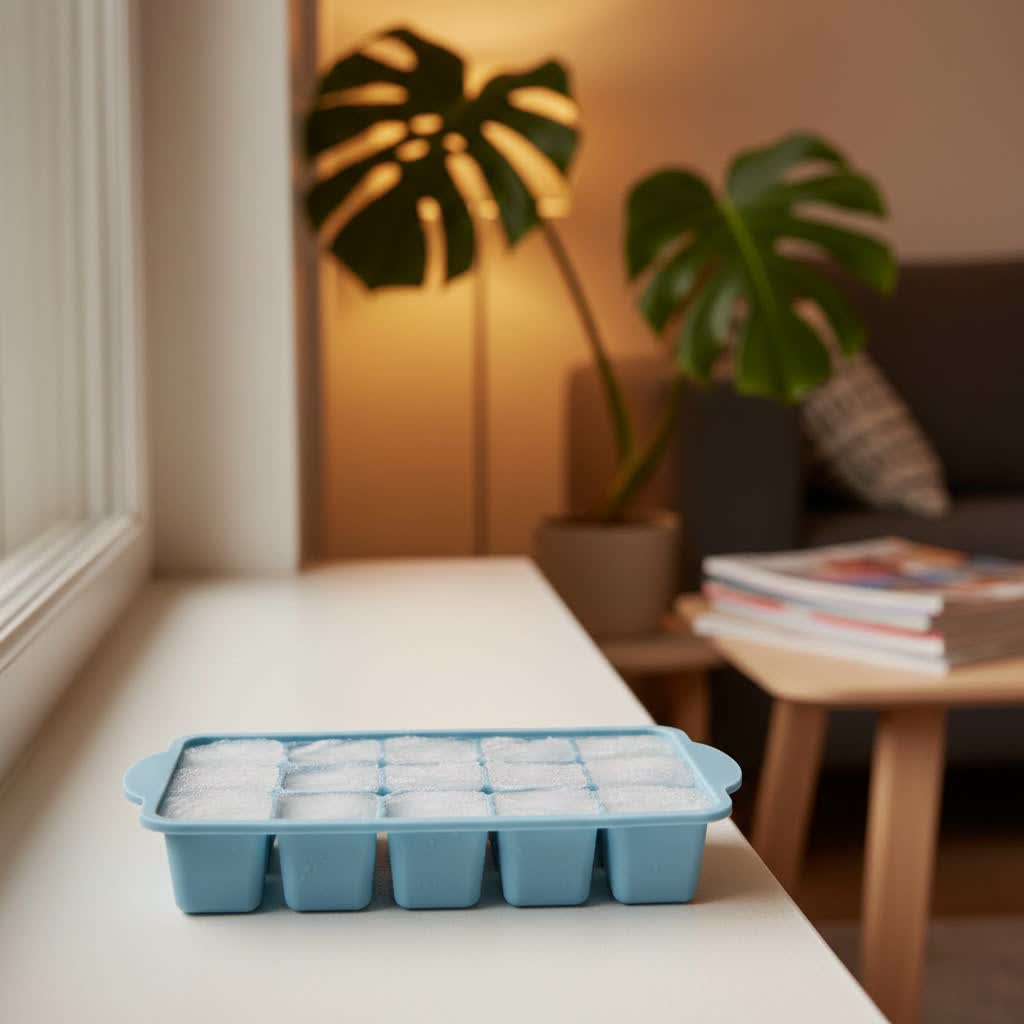
Have you ever found yourself in need of ice but only had large, cumbersome cubes that don’t fit your bottle or dilute your drink too quickly? Or perhaps you’re looking for clever ways to portion ingredients or craft unique frozen treats? Small Ice Trays are the unsung heroes of the kitchen, offering a compact and versatile solution for far more than just chilling beverages. These tiny titans provide perfectly sized ice for everything from cocktails and water bottles to baby food and culinary prep, revolutionizing how you approach freezing.
The sheer variety of ice trays on the market can be overwhelming, making it tough to choose the perfect one. But fear not! With over a decade of hands-on experience in kitchenware, including extensive testing of ice trays, I’m here to guide you through the world of small ice trays. This comprehensive guide will equip you with the knowledge to select the ideal small ice tray, tailored to your specific needs and preferences. Let’s dive in and discover how these compact tools can optimize your freezing experience.
Unveiling Popular Small Ice Tray Types
Small ice trays come in a diverse range of materials and designs, each offering distinct advantages. Understanding these differences is key to making an informed choice.
Plastic Small Ice Trays
- Advantages: Generally the most affordable and widely available option. Plastic trays are rigid when filled, making them stable to transport to the freezer without spills. Many are also stackable, saving valuable freezer space.
- Disadvantages: Often challenging to release ice cubes, requiring twisting and force that can sometimes lead to cracking or flying ice. They can also be prone to absorbing freezer odors over time, potentially tainting your ice.
|
Our Picks for the Best Ice Tray in 2026
We may earn a commission when you use one of our links to make a purchase.
|
||
| Num | Product | Action |
|---|---|---|
| 1 | Ice Tray Easy Release White Ice Cube Trays, 16 Cube (Pack of 2) (2867-WHT-2) |

|
| 2 | Ice Cube Trays, Silicone Easy-Release and Flexible 14-Ice Trays with Spill-Resistant Removable Lid, BPA Free, Durable and Dishwasher Safe, 2 Pack |
|
| 3 | Extra Large Reusable Ice Cubes for Drinks(1.9” Sq.) - 6 Pack BPA-Free Plastic Ice Cube - Chills Drinks Without Diluting Suitable for Large Containers, Water Pitchers, Cold Therapy Devices |
|
| 4 | DOQAUS Ice Cube Tray with Lid and Bin - 4 Pack Silicone Ice Cube Trays for Freezer, Stackable Ice Bucket Kits with Storage Container & Scoop for Kitchen, RV, Cocktail, Coffee |
|
| 5 | GORILLA GRIP BPA-Free Easy Release Ice Cube Tray for Freezer, Make Lots of Ice, 56 Cubes Total, Kit Includes 2 Stackable Leakproof Trays with Lid and Soft Handle Grips, Scooper, Bin, For Coffee, Red |
|
| 6 | Ice Cube Tray 5 Pack, Stackable Silicone Ice Cube Trays with Lid– Easy Release Reusable Ice Tray, BPA-Free Rectangular Ice Cube Mold Set for Cocktails, Coffee, Whiskey & Drinks- Black |
|
| 7 | 3 Pack Ice Trays for Freezer, 99 PCS Ice Cube Tray with Lid and Bin, Round Ice Cube Mold, Circle Ice Maker for Chilling Drinks (0.8 inch, Blue) |
|
| 8 | GORILLA GRIP BPA-Free Easy Release Ice Cube Tray for Freezer, Make Lots of Ice, 56 Cubes Total, Kit Includes 2 Stackable Leakproof Trays with Lid and Soft Handle Grips, Scooper, Bin, For Coffee, Gray |
|
| 9 | OXO Good Grips Ice Cube Tray - 2 Pack White |
|
| 10 | Ice Cube Trays for Freezer - 3 Pack 42 Cubes, Easy to Release Silicone Ice Trays with Spill-Resistant Lids, Reusable Ice Tray,Stackable and BPA-Free, Perfect for Cocktails, Drinks,and Ice Coffee |
|
Silicone Small Ice Trays
- Advantages: Renowned for their incredible flexibility, silicone trays make ice release effortless—a gentle push from the bottom is usually all it takes. Most are BPA-free and food-grade, ensuring safety. Their soft nature also allows for intricate, fun shapes that rigid plastic cannot achieve.
- Disadvantages: Their flexibility can be a double-edged sword; they can be floppy when filled with water, requiring careful handling or a stable base (like a baking sheet) to prevent spills. Silicone trays typically come at a slightly higher price point than plastic.
Stainless Steel Small Ice Trays
- Advantages: Extremely durable, resistant to odors and stains, and environmentally friendly. Stainless steel trays offer a premium, classic aesthetic and are built to last. They often feature a lever mechanism for ice release, though this can sometimes be tricky.
- Disadvantages: These are usually the most expensive option. While durable, releasing ice can sometimes be more difficult compared to silicone, and the metal can feel very cold to handle.
Small Ice Trays with Lids and Bins
- Advantages: Many small ice trays, particularly silicone and plastic versions, now come with lids and sometimes even accompanying storage bins. Lids are excellent for preventing freezer odors from permeating your ice and help prevent spills during transport. Storage bins allow you to continuously make and store a larger supply of small ice cubes without needing multiple trays in the freezer.
- Disadvantages: Trays with lids might occupy slightly more vertical space. The lids themselves can sometimes be flimsy or difficult to secure.
Novelty and Shaped Small Ice Trays
- Advantages: From mini spheres to hexagons, stars, or even animal shapes, novelty trays add a fun and aesthetic touch to drinks and frozen treats. These are especially popular for entertaining or making creative garnishes.
- Disadvantages: Intricate shapes can sometimes be harder to fill or release compared to simple cubes.
Detailed Comparison: Plastic vs. Silicone vs. Stainless Steel
Choosing the right material for your small ice tray often comes down to balancing cost, convenience, and durability. Here’s a detailed comparison to help you decide:
| Feature | Plastic Small Ice Trays | Silicone Small Ice Trays | Stainless Steel Small Ice Trays |
|---|---|---|---|
| Material | Hard, rigid plastic (e.g., PP) | Flexible, soft silicone (food-grade, BPA-free) | Durable, rust-resistant metal |
| Durability | Prone to cracking over time, especially with twisting | Highly durable, resistant to cracking and extreme temperatures | Excellent, long-lasting, rust-proof |
| Ease of Ice Release | Often difficult, requires twisting and force | Very easy, cubes pop out with a gentle push | Can be moderate, often uses a lever, sometimes sticky |
| Odor Absorption | Can absorb freezer odors and flavors over time | Can absorb odors if not properly cleaned; some sources suggest baking to remove odors | Highly resistant to odor and stain absorption |
| Price | Most affordable | Mid-range | Most expensive |
| Safety | Ensure BPA-free options | Generally BPA-free and food-safe | Food-grade stainless steel is very safe |
| Cleaning | Usually dishwasher safe (top rack recommended) | Often dishwasher safe, easy to hand wash | Dishwasher safe, easy to hand wash |
| Stability | Sturdy when filled, easy to transport | Flexible, can be floppy; best placed on a flat surface in the freezer | Sturdy, but can be heavy when full |
Analysis: For ease of use and flexibility, silicone trays are often favored, especially for releasing small, delicate ice cubes or frozen food portions. Plastic remains a budget-friendly option, good for basic ice making, though less user-friendly for extraction. Stainless steel provides superior durability and hygiene but comes at a higher price and might not offer the same effortless release as silicone.
Your Guide to Choosing the Perfect Small Ice Tray
Selecting the best small ice tray involves considering your lifestyle, storage capacity, and what you plan to freeze.
Determine Your Usage Needs
- Quantity: How much ice do you need regularly? Small ice trays often produce smaller batches, so you might need multiple trays or a tray with a bin for continuous supply.
- Cube Size and Shape: Are you making mini cubes for water bottles, crushed ice for cocktails, or decorative spheres for special drinks? Consider if standard small cubes, “nugget” ice, or novelty shapes are what you’re after. Small cubes melt faster, which can be desirable for certain drinks like iced tea or mojitos if consumed quickly.
- Frequency: For daily use, easy release and durability are paramount. For occasional use, a simpler, more affordable option might suffice.
- Beyond Water: If you plan to freeze herbs, sauces, baby food, or coffee, look for trays specifically designed for easy portioning and with lids to prevent cross-contamination.
Prioritize Safe and Quality Materials
Always opt for materials that are food-grade and free from harmful chemicals.
- Silicone: Look for 100% food-grade silicone, ideally BPA-free. This ensures no toxins leach into your food or drinks.
- Plastic: If choosing plastic, ensure it is clearly labeled as BPA-free.
- Stainless Steel: Ensure it’s food-grade stainless steel to prevent rust and ensure safety.
Evaluate Durability
A good small ice tray should withstand repeated freezing and thawing cycles without cracking or becoming brittle.
- Plastic: Thicker, more robust plastics tend to last longer.
- Silicone: High-quality silicone is exceptionally durable and resistant to temperature extremes.
- Stainless Steel: Inherent durability means these will last for many years.
Consider Ease of Cleaning
Hygiene is crucial for any kitchen item.
- Dishwasher Safe: Many plastic and silicone trays are dishwasher safe (top rack is usually recommended). Stainless steel trays are also typically dishwasher safe.
- Hand Washing: For hand washing, consider designs that are easy to scrub and don’t have too many intricate crevices where residue can build up.
Look for Thoughtful Features
- Lids: Essential for preventing freezer burn, odors, and spills. Lids also allow for stacking, maximizing freezer space.
- Storage Bins: Perfect for accumulating and storing a larger quantity of ice, freeing up your trays to make more.
- Stackability: Helps organize your freezer, especially important for smaller freezers.
Consult User Reviews
Real-world feedback from other users can provide invaluable insights into a product’s performance, ease of use, and durability. Check online reviews on e-commerce sites to gauge overall satisfaction and identify any common issues.
Smart Tips for Using and Caring for Your Small Ice Tray
Maximizing the life and utility of your small ice tray is simple with these expert tips:
- Clean Before First Use: Always wash your new ice tray thoroughly with warm, soapy water before its inaugural freeze.
- Avoid Overfilling: Filling compartments to the brim can lead to ice cubes fusing together or spillage in the freezer. Leave a small gap at the top to allow for expansion.
- Effortless Ice Release:
- Silicone: A gentle push on the bottom of each cube is usually all it takes.
- Plastic: Twist the tray slightly, or run a little warm water over the bottom for a few seconds before twisting.
- Stainless Steel: Use the lever if provided. If stubborn, let it sit at room temperature for a minute.
- Regular Cleaning is Key: Wash your ice trays frequently to prevent residue buildup and absorption of freezer odors. This is especially important for silicone, which can be an “odor magnet”. For stubborn silicone odors, baking it for 30 minutes at 350°F (after ensuring it’s 100% silicone) can help, followed by a thorough wash.
- Proper Storage: Store clean, dry ice trays in a cupboard or drawer. If storing ice in a bin, ensure the bin has a tight-fitting lid to maintain freshness and prevent contamination.
- Beyond Ice: Culinary Hacks: Small ice trays are incredibly versatile for portion control and food preservation. Freeze:
- Herbs in oil/broth: Chop fresh herbs, place in compartments, cover with olive oil or broth, and freeze for instant flavor boosts in cooking.
- Leftover wine/coffee/tea: Perfect for cooking or making iced beverages that won’t get watered down.
- Sauces, broths, and purees: Portion leftover tomato sauce, pesto, or vegetable broth for quick meals or baby food.
- Fruit juice/smoothie blends: Create refreshing fruit cubes for drinks or pre-portioned smoothie packs.
- Pet treats: Blend pet-safe ingredients like pumpkin and peanut butter, freeze, and offer as cool treats.
- Achieving Crystal-Clear Ice: For exceptionally clear ice cubes, boil your water twice, letting it cool completely between boils and before pouring into the tray. This removes dissolved gases that cause cloudiness.
Top Small Ice Trays for Everyday Convenience
While specific models can vary, here are types of small ice trays that consistently receive high marks for quality, design, and functionality:
- Round/Spherical Small Ice Trays: Popular for beverages like iced coffee or cocktails, these often create aesthetically pleasing, slow-melting ice “orbs.” Brands like Wibimen offer popular round ice trays with lids and storage bins, often making 0.8-inch cubes. The smaller sphere size ensures they fit in most glasses and bottles.
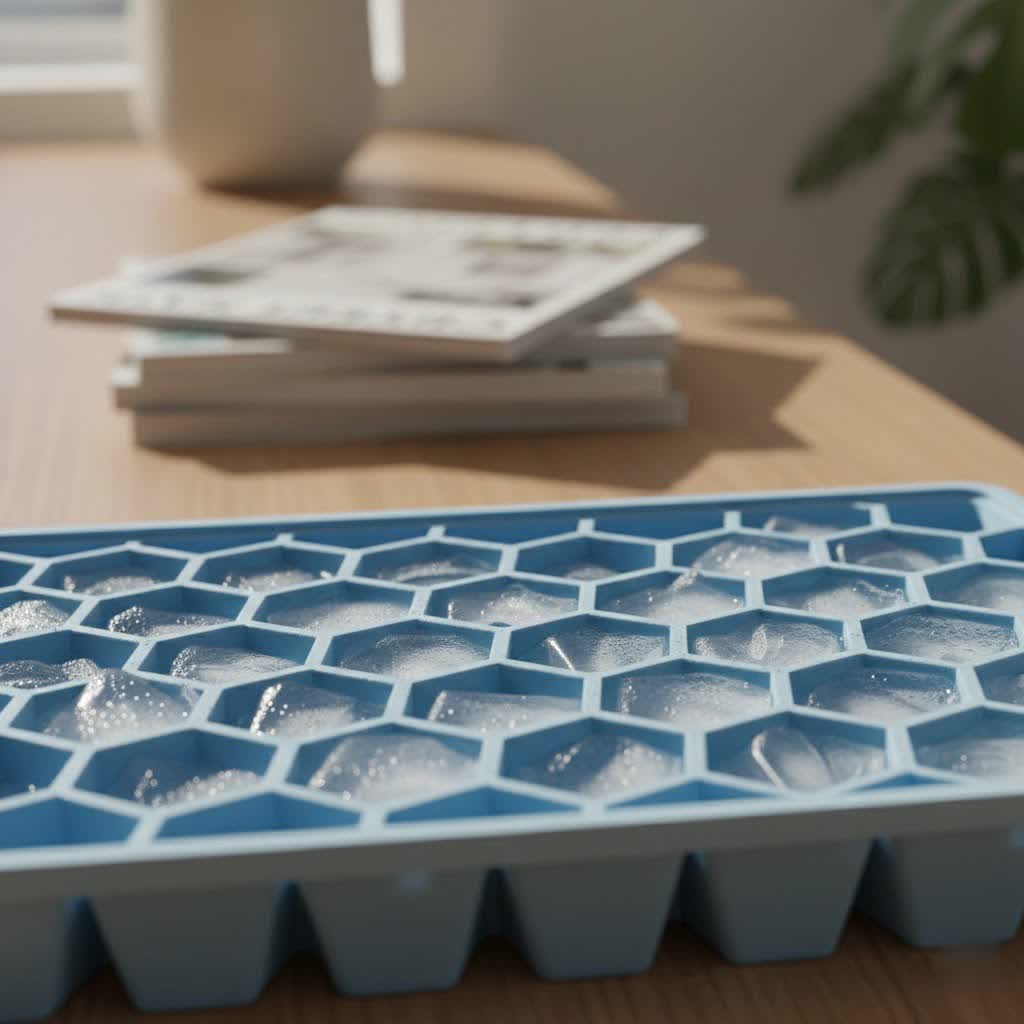
- Honeycomb/Hexagonal Nugget Ice Trays: These designs create numerous small, irregular or hexagonal ice pieces, often referred to as “nugget” or “pebble” ice. They are a favorite for drinks where quick chilling and chewable ice are desired. Bidful and TINANA are brands offering such silicone trays, often with lids.
- Standard Small Cube Trays with Easy Release: For those who prefer classic cube shapes but demand easy removal, silicone trays with smaller compartments are excellent. Brands like Doqaus offer sets with multiple trays, lids, and even scoops, providing flexible silicone bottoms for effortless cube popping. The OXO Softworks No-Spill Rectangular Ice Cube Tray is also a well-regarded option, known for its spill-prevention features.
When considering these options, remember to check current reviews and product specifications, as offerings can evolve. The key is to find a design that fits your unique requirements for size, shape, and convenience.
Conclusion
Choosing the right small ice tray goes beyond merely making ice; it’s about enhancing your daily routines, from refreshing beverages to efficient meal prep. We’ve explored the diverse world of small ice trays, comparing plastic, silicone, and stainless steel options, and highlighted their unique benefits and drawbacks. From the easy release of silicone to the classic durability of stainless steel and the budget-friendliness of plastic, there’s a perfect small ice tray out there for everyone.
Remember to consider your specific needs—whether it’s for chilling drinks, portioning baby food, or crafting culinary delights—and prioritize quality materials and convenient features like lids and easy-release mechanisms. With the right small ice tray, you’ll elevate your kitchen experience, reducing waste and adding a touch of flair to your everyday life.
What creative uses have you found for your small ice tray? Share your experiences and tips below!
Frequently Asked Questions
Why choose a small ice tray over a standard one?
Small ice trays offer several advantages, including faster freezing times, better fit for narrow water bottles or cocktail glasses, and ideal portioning for freezing ingredients like herbs, sauces, or baby food. They prevent drinks from becoming overly diluted with large cubes and open up many creative culinary possibilities.
Are silicone small ice trays truly safe to use?
Yes, high-quality silicone small ice trays are generally very safe. Look for labels indicating 100% food-grade silicone and BPA-free certification. These materials are non-toxic, durable, and resistant to extreme temperatures, making them a healthy choice for your kitchen.
How can I prevent my small ice cubes from picking up freezer odors?
To prevent your ice from absorbing unwanted freezer smells, always choose trays with tight-fitting lids. Store your ice in an airtight container or a lidded bin once frozen. Regularly clean your ice trays and freezer, and avoid placing uncovered strong-smelling foods near your ice. For silicone trays, baking them at 350°F for 30 minutes can help remove absorbed odors.
Can small ice trays be used for freezing liquids other than water?
Absolutely! Small ice trays are incredibly versatile for freezing various liquids and purees. Popular uses include freezing coffee, tea, fruit juice, wine, herb purées (with oil or broth), leftover sauces, and homemade baby food. This helps with portion control, reduces food waste, and adds convenient flavor boosters to your cooking.
What’s the secret to making clear ice cubes with a small ice tray?
To achieve crystal-clear ice cubes, the key is to remove dissolved gases from the water. You can do this by boiling your water twice, allowing it to cool completely between boils and before pouring it into your small ice tray. This process helps create denser, clearer ice that melts slower and looks more appealing in drinks.