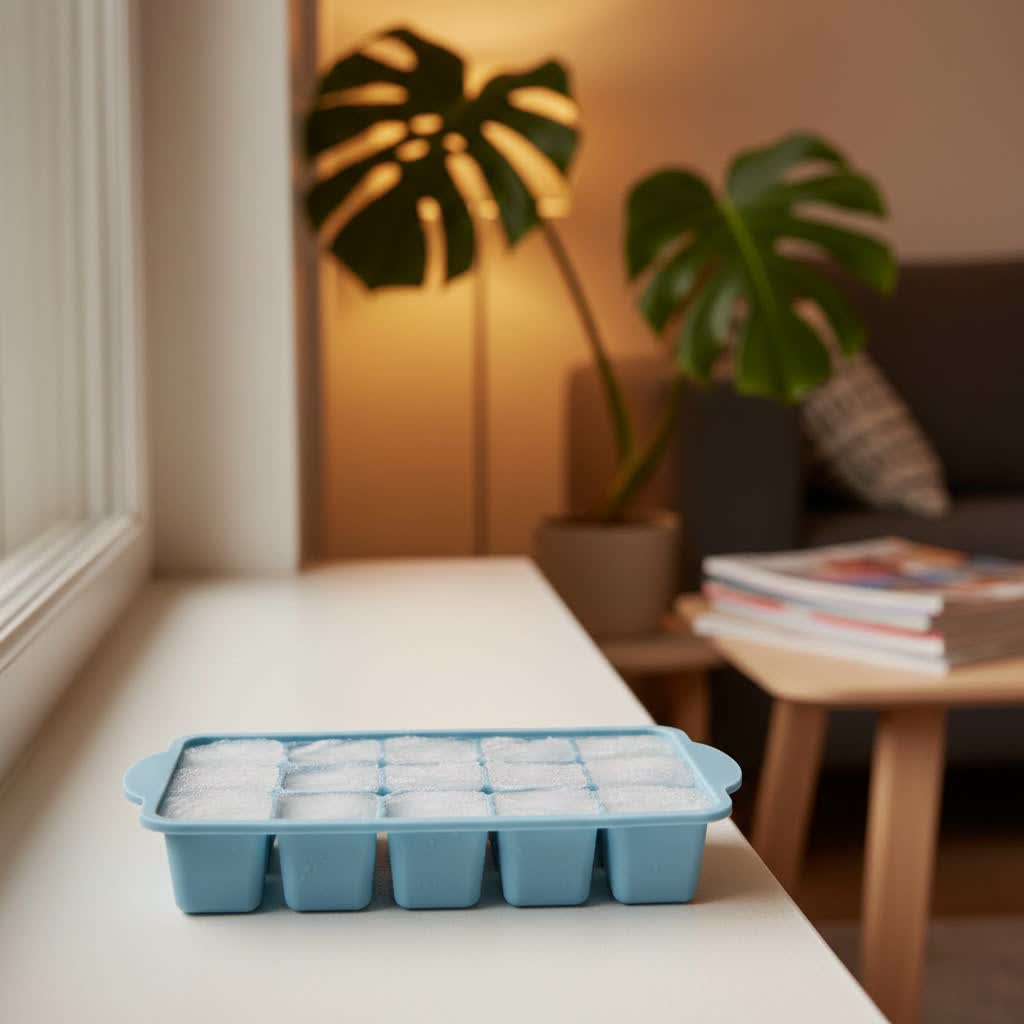
The sound of ice clinking in a cool drink is a hallmark of refreshment, especially as temperatures rise. While often an afterthought, the humble ice tray plays a crucial role in enhancing our beverages and culinary preparations. With an overwhelming array of materials, designs, and features on the market, choosing the right ice tray can feel surprisingly complex. This comprehensive guide will navigate through the diverse world of ice trays, providing you with the insights and expert advice needed to select the perfect one for your home and lifestyle.
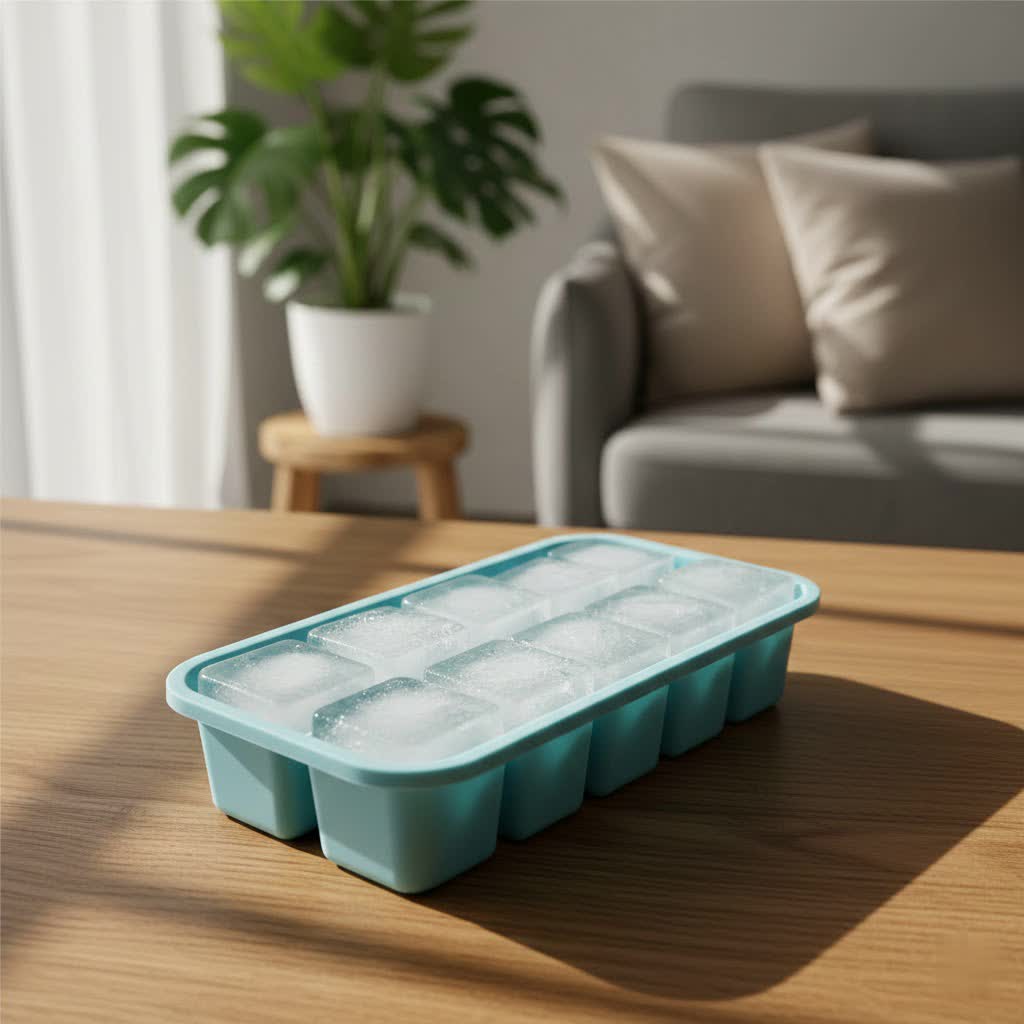
Ice Tray: The Perfect Choice for a Hot Summer
Understanding the various types of ice trays available is the first step toward making an informed decision. Each material and design offers unique benefits and drawbacks, catering to different needs and preferences.
Popular Ice Tray Types
Plastic Ice Trays
Plastic ice trays remain a kitchen staple due to their affordability and widespread availability. Modern plastic trays are often made from BPA-free materials, offering a safer alternative to older models.
- Pros: Generally inexpensive, easy to find, and can be quite durable, lasting for years with proper care. Thicker plastic is particularly effective at preventing the absorption of freezer odors. Many are top-rack dishwasher safe for easy cleaning.
- Cons: Can become brittle and crack over time, especially with frequent twisting or exposure to extreme temperature changes. Some users find cubes harder to release compared to more flexible materials. Thin plastic can sometimes absorb freezer odors.
Silicone Ice Trays
Silicone has revolutionized ice making with its flexible, non-stick properties, making it a favorite for specialty ice.
- Pros: Exceptional flexibility ensures effortless ice release without twisting or banging. They are durable, crack-resistant, and many are made from food-grade silicone, ensuring safety. Silicone trays are ideal for creating unique ice shapes.
- Cons: Often carry a higher price tag than plastic. Their flexibility can be a drawback if not handled carefully, potentially leading to spills if the freezer is packed. Silicone can absorb freezer odors over time, requiring a specific deep-cleaning method involving baking.
Stainless Steel Ice Trays
For those seeking a premium, long-lasting option, stainless steel ice trays offer robust performance and a sleek aesthetic.
- Pros: Extremely durable and designed for a long lifespan, making them an excellent investment. Stainless steel is naturally non-corrosive and does not absorb odors or transfer flavors to your ice. They also tend to freeze water more quickly than plastic or silicone.
- Cons: Typically the most expensive option. Releasing ice from stainless steel trays can sometimes be more challenging, often requiring a lever mechanism or a quick rinse under warm water. Variety in ice shape is usually limited to classic cubes.
Lidded Ice Trays
Many ice trays, regardless of material, now come with lids, adding a layer of convenience and protection.
- Pros: Lids are invaluable for preventing spills when transporting trays to the freezer and protect ice from absorbing unwanted freezer odors and debris. They also allow for stable stacking, maximizing freezer space.
- Cons: Some lids can be flimsy or difficult to secure, negating their benefits. The added bulk of a lid and potential storage bin can take up more freezer real estate.
Shaped Ice Trays
Beyond the classic cube, shaped ice trays allow for creative and functional ice forms.
- Pros: Offer unique aesthetic appeal with shapes like spheres, large cubes, highball cylinders, or novelty designs. Larger cubes and spheres melt slower, ideal for spirits or cocktails as they dilute drinks less quickly.
- Cons: Some intricate shapes can be challenging to fill precisely and may require practice to release perfectly. They are often specialized, limiting their versatility for general use.
|
Our Picks for the Best Ice Tray in 2026
We may earn a commission when you use one of our links to make a purchase.
|
||
| Num | Product | Action |
|---|---|---|
| 1 | Ice Cube Tray 5 Pack, Stackable Silicone Ice Cube Trays with Lid– Easy Release Reusable Ice Tray, BPA-Free Rectangular Ice Cube Mold Set for Cocktails, Coffee, Whiskey & Drinks- Black |

|
| 2 | GORILLA GRIP BPA-Free Easy Release Ice Cube Tray for Freezer, Make Lots of Ice, 56 Cubes Total, Kit Includes 2 Stackable Leakproof Trays with Lid and Soft Handle Grips, Scooper, Bin, For Coffee, Gray |
|
| 3 | Ice Tray Easy Release White Ice Cube Trays, 16 Cube (Pack of 2) (2867-WHT-2) |
|
| 4 | OXO Good Grips Ice Cube Tray - 2 Pack White |
|
| 5 | 3 Pack Ice Trays for Freezer, 99 PCS Ice Cube Tray with Lid and Bin, Round Ice Cube Mold, Circle Ice Maker for Chilling Drinks (0.8 inch, Blue) |
|
| 6 | Ice Cube Trays, Silicone Easy-Release and Flexible 14-Ice Trays with Spill-Resistant Removable Lid, BPA Free, Durable and Dishwasher Safe, 2 Pack |
|
| 7 | DOQAUS Ice Cube Tray with Lid and Bin - 4 Pack Silicone Ice Cube Trays for Freezer, Stackable Ice Bucket Kits with Storage Container & Scoop for Kitchen, RV, Cocktail, Coffee |
|
| 8 | Extra Large Reusable Ice Cubes for Drinks(1.9” Sq.) - 6 Pack BPA-Free Plastic Ice Cube - Chills Drinks Without Diluting Suitable for Large Containers, Water Pitchers, Cold Therapy Devices |
|
| 9 | Ice Cube Trays for Freezer - 3 Pack 42 Cubes, Easy to Release Silicone Ice Trays with Spill-Resistant Lids, Reusable Ice Tray,Stackable and BPA-Free, Perfect for Cocktails, Drinks,and Ice Coffee |
|
| 10 | GORILLA GRIP BPA-Free Easy Release Ice Cube Tray for Freezer, Make Lots of Ice, 56 Cubes Total, Kit Includes 2 Stackable Leakproof Trays with Lid and Soft Handle Grips, Scooper, Bin, For Coffee, Red |
|
Detailed Comparison of Ice Tray Types
| Feature | Plastic | Silicone | Stainless Steel |
|---|---|---|---|
| Material | BPA-free plastic | Food-grade silicone | Stainless steel |
| Durability | Medium to High (can crack over time) | High (flexible, crack-resistant) | Very High (long-term investment) |
| Ease of Release | Moderate (often requires twisting) | Very Easy (flexible, push-out design) | Moderate (may require lever or warm water) |
| Odor Absorption | Low (if thick), can occur with thin plastic | Medium to High (can absorb, but cleanable) | Very Low (non-porous, taste-neutral) |
| Freezing Speed | Standard | Standard | Faster |
| Price | Low | Medium to High | High |
| Cleaning | Dishwasher safe (top rack recommended) | Dishwasher safe, or bake for odor removal | Hand wash (some models are dishwasher safe) |
| Stackability | Varies, best with rigid, lidded designs | Can be squishy, best with rigid frames/lids | Good, especially with integrated designs |
| Shapes Available | Standard cubes, some basic novelty shapes | Wide variety (spheres, large cubes, novelty) | Predominantly standard cubes |
How to Choose the Right Ice Tray for Your Needs
Selecting the ideal ice tray boils down to understanding your specific requirements and balancing them with the available features.
Assess Your Usage
Consider how frequently you use ice and for what purpose. A single person who occasionally enjoys a cold drink might only need one or two standard trays. For daily iced coffee drinkers, cocktail enthusiasts, or large families, a system with multiple trays and a storage bin is more practical to ensure a constant supply. Think about the desired ice size and shape—large cubes or spheres for whiskey or slow-melting drinks, smaller cubes for quick chilling, or long, slender ice sticks for water bottles.
Prioritize Safe Materials
Always check for material certifications. For plastic trays, ensure they are “BPA-free” to avoid harmful chemicals. For silicone, look for “food-grade silicone” labels, indicating it’s safe for food contact. Stainless steel is inherently food-safe and non-toxic.
Evaluate Durability
A good ice tray should withstand repeated freezing and thawing cycles. Look for thicker plastics that feel robust, flexible but sturdy silicone, or well-constructed stainless steel. Pay attention to the overall build quality, including how lids fit and the rigidity of the tray structure. Durable trays prevent common frustrations like cracking, leaking, or struggling to release ice.
Consider Ease of Cleaning
Ease of maintenance is key for hygiene and longevity. Dishwasher-safe trays offer maximum convenience. For silicone, understand that while most are dishwasher safe, specific steps (like baking) might be needed to eliminate stubborn odors. Stainless steel is generally easy to wipe clean but may require hand-washing to prevent water spots.
Read User Reviews
Before making a purchase, consult online reviews and ratings from other users. Real-world feedback can provide valuable insights into a tray’s ease of use, durability, ice release effectiveness, and potential issues like odor absorption or flimsy components. This step helps confirm if the product lives up to its claims.
Tips for Using and Maintaining Your Ice Tray
Proper usage and regular maintenance are essential for extending the life of your ice trays and ensuring your ice is always fresh and clean.
- Initial Cleaning: Always wash your new ice tray thoroughly with soap and water before its first use to remove any manufacturing residues.
- Optimal Filling: Avoid overfilling the tray. Leave a small amount of space at the top of each compartment to allow for water expansion as it freezes, preventing overflow and making ice release easier.
- Gentle Ice Release: For silicone trays, simply push up from the bottom of each cube. For plastic trays, a gentle twist usually works. If cubes are stubborn, running the bottom of the tray under warm water for a few seconds can help loosen them. Avoid brute force, which can damage the tray.
- Regular Cleaning: Clean your ice trays frequently to prevent mineral buildup, mold, or bacteria. This is especially important if you use them for liquids other than water.
- Silicone Odor Removal: If your silicone tray starts to absorb freezer odors, place it on a baking sheet and bake it in a 350°F (175°C) oven for 30 minutes. Let it cool completely, then wash with soap and water.
- Proper Storage: Store clean, dry ice trays in a dry, well-ventilated area to prevent warping or contamination. If stacking, ensure they fit securely to avoid damaging them.
- Water Quality: Use filtered water for the best-tasting ice and to minimize cloudiness caused by impurities.
- For Clear Ice: Achieving crystal-clear ice requires a specific freezing process. Boiling water before freezing can reduce cloudiness, as boiling removes dissolved gases. Alternatively, specialized insulated ice cube trays freeze water directionally, pushing impurities to the bottom and resulting in clear ice.
Top Ice Tray Recommendations
Based on rigorous testing and user satisfaction, certain ice trays consistently stand out for their quality and functionality.
- PHINOX Ice Cube Tray with Lid and Bin: This system is highly praised for its intelligent design, featuring rigid plastic trays with soft-plastic cube compartments and a unique press-down lid mechanism for simultaneous, easy ice release into a spacious storage bin. It’s a fantastic solution for those who consume a lot of ice and want to stock up, although its assembled size might be a consideration for smaller freezers. Made from BPA-free plastic.
- WIBIMEN Round Ice Cube Tray with Lid & Bin: For enthusiasts of perfectly spherical ice, the WIBIMEN tray delivers. This compact, BPA-free plastic set includes two trays, a lidded bin, and a scoop. While achieving the perfect water level for flawless spheres might take a little practice, the aesthetic appeal and slow-melting properties of round ice make it a favorite for cocktails and sophisticated beverages.
- Kitch Easy Release White Ice Cube Trays: A classic choice for everyday use, these affordable, BPA-free plastic trays come in a set of four. They are lightweight, sturdy, and exceptionally easy to fill and carry. Their simple twist-release mechanism ensures cubes come out cleanly, making them a reliable option for both water ice and freezing other liquids like pesto or broth. These trays are also conveniently dishwasher-safe.
Conclusion
The journey to finding your ideal ice tray involves navigating a landscape of materials, designs, and features. By considering your specific needs—from the quantity and type of ice you desire to the importance of durability and ease of cleaning—you can make an informed decision. Whether you prioritize the flexibility of silicone for intricate shapes, the odor-resistant properties of thick plastic, or the long-term investment of stainless steel, there’s a perfect ice tray waiting to elevate your chilled beverages. Armed with this knowledge, you are now equipped to choose an ice tray that not only cools your drinks but also enhances your overall kitchen experience.
What are your go-to tips for perfect ice every time?
Frequently Asked Questions
Are silicone ice cube trays safe for the freezer and dishwasher?
Yes, high-quality, food-grade silicone ice cube trays are perfectly safe for both freezer use and dishwasher cleaning, offering both convenience and peace of mind.
How do I prevent plastic ice cube trays from cracking in cold temperatures?
To prevent plastic trays from cracking, avoid extreme temperature shocks by allowing them to sit at room temperature for a moment before twisting. Also, avoid using harsh scrubbing tools that can weaken the plastic over time.
What is the best way to remove ice cubes without breaking the tray?
For silicone trays, gently push the bottom of each cube. For plastic, a slight twist typically works. If ice is stubborn, running warm water over the bottom of the tray for a few seconds can help loosen the cubes.
Can I make flavored or infused ice cubes using silicone trays?
Absolutely! Silicone trays are an excellent choice for making flavored ice cubes with juices, coffee, herbs, or fruit, as they are non-porous and, with proper cleaning, will not absorb residual odors or flavors.
Why does my homemade ice sometimes taste strange or “freezer-burnt”?
Off-tasting ice is often due to freezer odors being absorbed by the ice or the tray itself. Using lidded ice trays, regularly cleaning your trays, and using filtered water can significantly improve ice taste.