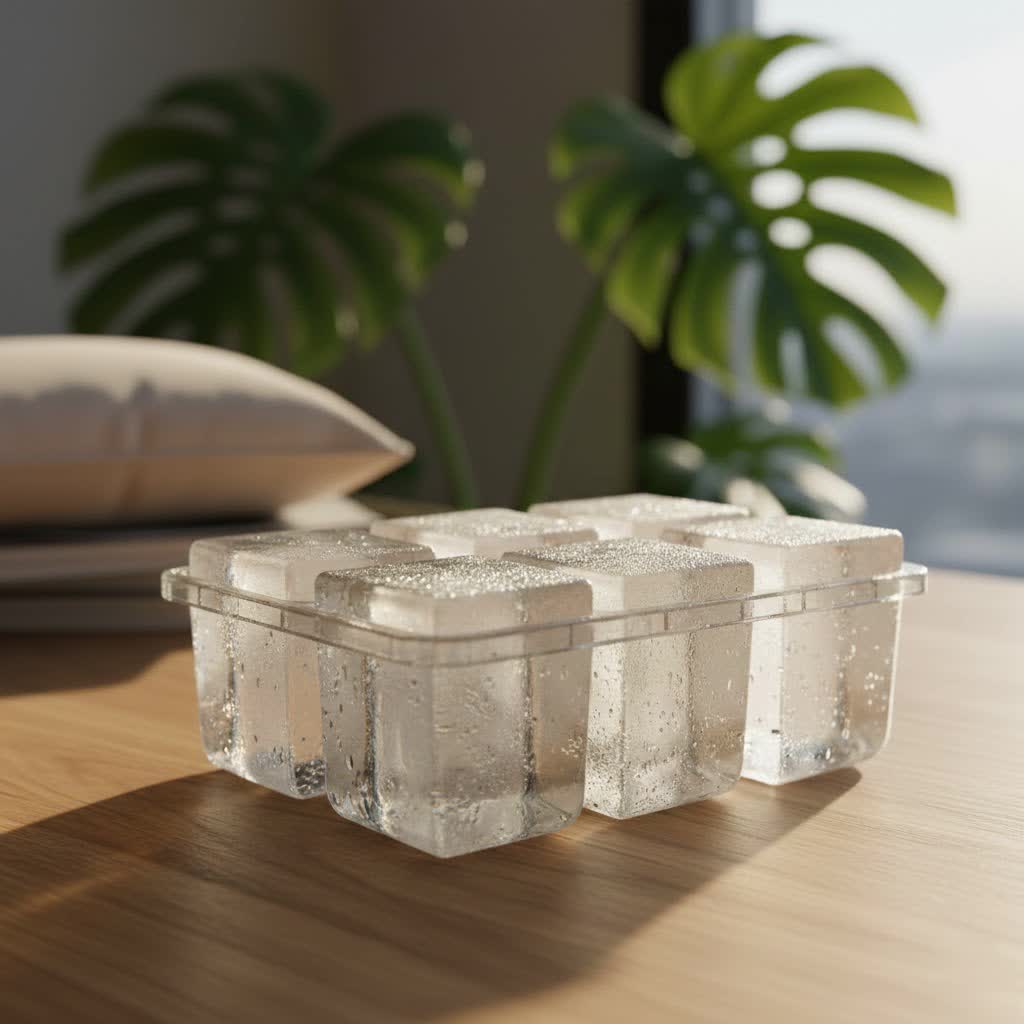
Before the era of automatic ice makers and flexible silicone molds, a humble yet essential kitchen tool reigned supreme: the antique ice tray. These fascinating relics offer more than just a means to make ice; they provide a tangible connection to culinary history, showcasing ingenuity and evolving domestic life. If you’ve ever wondered about the origins of your ice cubes or appreciate the charm of vintage kitchenware, delving into the world of antique ice trays reveals a rich tapestry of design, function, and enduring appeal.
The Icy Past: A Brief History of Ice Tray Evolution
The journey of the ice tray is deeply intertwined with the advent of home refrigeration. For centuries, households relied on “ice boxes”—insulated cabinets kept cool with large blocks of ice, often harvested from frozen lakes and rivers. But as mechanical refrigeration began to enter homes in the early 20th century, the need for a convenient way to produce smaller, usable ice pieces became apparent.
One of the earliest pioneers was Lloyd Copeman, who in the 1920s, developed a flexible rubber ice tray, envisioning a simpler method for ice release. This early innovation, though foundational, eventually paved the way for more durable materials. By 1933, Guy Tinkham introduced a flexible, all-metal ice tray made of stainless steel, designed to flex sideways to eject cubes. However, it was aluminum that would largely define the “Golden Age” of the antique ice tray, offering superior cold conductivity and durability compared to its flexible predecessors.
A significant leap in user-friendliness came in 1949 when Edward Roberts patented the first ice tray featuring an ingenious lever-release mechanism. This innovation transformed the once-fussy process of prying out frozen cubes into a satisfying “squeaky-cracking sound” ritual. These “Magic Touch” or “Honeycomb” trays, often made of aluminum, became standard in mid-century American kitchens. The widespread adoption of plastic trays in the 1970s, followed by the proliferation of automatic in-freezer ice makers, eventually led to the decline of the manual ice tray, turning these once-common items into cherished collectibles.
Identifying Your Antique Ice Tray: Key Features to Look For
Spotting an authentic antique ice tray involves understanding the characteristic materials, designs, and subtle cues from bygone eras.
Materials Matter
The vast majority of antique ice trays you’ll encounter are crafted from aluminum or, less commonly, stainless steel. Early iterations might be simple dividers within a metal frame. The distinct metallic sheen and heft are immediate indicators that you’re not holding a modern plastic or silicone tray. Be wary of rust on steel trays, which can indicate poor care or a less robust alloy.
Design and Release Mechanisms
|
Our Picks for the Best Ice Tray in 2026
As an Amazon Associate I earn from qualifying purchases.
|
||
| Num | Product | Action |
|---|---|---|
| 1 | GORILLA GRIP BPA-Free Easy Release Ice Cube Tray for Freezer, Make Lots of Ice, 56 Cubes Total, Kit Includes 2 Stackable Leakproof Trays with Lid and Soft Handle Grips, Scooper, Bin, For Coffee, Red |

|
| 2 | Ice Cube Trays, Silicone Easy-Release and Flexible 14-Ice Trays with Spill-Resistant Removable Lid, BPA Free, Durable and Dishwasher Safe, 2 Pack |
|
| 3 | 3 Pack Ice Trays for Freezer, 99 PCS Ice Cube Tray with Lid and Bin, Round Ice Cube Mold, Circle Ice Maker for Chilling Drinks (0.8 inch, Blue) |
|
| 4 | DOQAUS Ice Cube Tray with Lid and Bin - 4 Pack Silicone Ice Cube Trays for Freezer, Stackable Ice Bucket Kits with Storage Container & Scoop for Kitchen, RV, Cocktail, Coffee |
|
| 5 | Ice Cube Tray 5 Pack, Stackable Silicone Ice Cube Trays with Lid– Easy Release Reusable Ice Tray, BPA-Free Rectangular Ice Cube Mold Set for Cocktails, Coffee, Whiskey & Drinks- Black |
|
| 6 | OXO Good Grips Ice Cube Tray - 2 Pack White |
|
| 7 | Ice Cube Trays for Freezer - 3 Pack 42 Cubes, Easy to Release Silicone Ice Trays with Spill-Resistant Lids, Reusable Ice Tray,Stackable and BPA-Free, Perfect for Cocktails, Drinks,and Ice Coffee |
|
| 8 | GORILLA GRIP BPA-Free Easy Release Ice Cube Tray for Freezer, Make Lots of Ice, 56 Cubes Total, Kit Includes 2 Stackable Leakproof Trays with Lid and Soft Handle Grips, Scooper, Bin, For Coffee, Gray |
|
| 9 | Ice Tray Easy Release White Ice Cube Trays, 16 Cube (Pack of 2) (2867-WHT-2) |
|
| 10 | Extra Large Reusable Ice Cubes for Drinks(1.9” Sq.) - 6 Pack BPA-Free Plastic Ice Cube - Chills Drinks Without Diluting Suitable for Large Containers, Water Pitchers, Cold Therapy Devices |
|
Older trays often feature a rigid design with individual compartments. Releasing ice from these typically required twisting the entire tray, running warm water over it, or even banging it against a countertop—a process that could be frustrating. The real game-changer, and a common feature of many desirable vintage trays, is the lever-release mechanism. This built-in handle allowed users to simply lift and crack the ice free. If your tray has this lever, it likely dates from the late 1940s through the 1960s, a period often considered the peak of manual ice tray design.
Period Aesthetics and Brands
Beyond materials and mechanisms, the general aesthetic can offer clues. Mid-century aluminum trays often boast sleek, utilitarian lines, sometimes with colored handles or a double-wide design for greater capacity. While difficult to date precisely without markings, familiar brands that produced these trays included notable names in home appliances of the era. Look for any stamped brand names or patent numbers on the underside or sides of the tray, which can help in further research and identification.
Why Collect Antique Ice Trays? The Allure of Vintage Cool
For many, collecting antique ice trays is more than just accumulating old kitchen tools; it’s about appreciating their unique blend of history, functionality, and undeniable charm.
A Touch of Nostalgia
There’s a powerful nostalgic pull to these vintage items. For those who grew up in homes with these trays, the satisfying crack of the lever-release system evokes memories of childhood summers and classic cocktails. Owning an antique ice tray can be a small, tangible way to reconnect with a simpler past and the tactile experiences of a bygone era.
Uncompromised Durability and Performance
Unlike some modern plastic alternatives that can warp, crack, or absorb odors over time, well-preserved metal ice trays boast impressive durability. Aluminum, in particular, is an excellent conductor of cold, meaning water freezes faster. Furthermore, it resists odors far better than early plastics, ensuring your ice remains fresh and untainted. Many enthusiasts argue that the dense, perfectly formed cubes produced by these trays are superior for chilling beverages, melting slower and diluting drinks less than their modern counterparts.
Aesthetic Appeal
Antique ice trays often possess a classic, utilitarian beauty that aligns perfectly with mid-century modern or retro kitchen aesthetics. Their simple, clean lines and metallic finishes make them attractive display pieces, adding character and a story to any kitchen decor. Some even come in rare colors or unique configurations, further enhancing their visual appeal.
A Piece of Everyday History
Each antique ice tray tells a silent story of countless drinks chilled, family gatherings, and technological shifts. They represent a significant step in the evolution of home convenience, bridging the gap between rudimentary ice harvesting and today’s automated systems. Collecting them is, in a way, preserving a small but important part of domestic technological history.
Finding and Valuing Your Vintage Gem
Embarking on the hunt for antique ice trays can be a delightful adventure. These items are still relatively accessible and affordable, making them an excellent entry point into vintage collecting.
Where to Discover Them
- Antique Shops and Flea Markets: These are prime locations for discovering vintage kitchenware. Browsing stalls can yield hidden treasures at reasonable prices.
- Online Marketplaces: Websites like eBay are popular platforms where you can find a wide variety of antique aluminum and stainless steel ice trays. Searching terms like “vintage aluminum ice tray lever” or “mid-century metal ice tray” can bring up numerous options.
- Estate Sales and Garage Sales: These provide opportunities to acquire items directly from old homes, often at very low costs.
What Influences Value?
While most common antique ice trays are relatively inexpensive, typically ranging from $10 to $20, certain factors can increase their value:
- Rarity: Trays from less common manufacturers, unique designs, or those with unusual colors might fetch higher prices.
- Condition: Excellent condition with minimal dents, scratches, or corrosion will always be more valuable. A fully functional lever mechanism is also key.
- Originality: Trays that are complete with all their original parts and show no signs of major repair or alteration are preferred by collectors.
- Historical Significance: Trays tied to specific appliance brands or with recognizable patent marks can sometimes command more interest.
Caring for Your Vintage Ice Tray
To ensure your antique ice tray remains a functional and beautiful piece of history, proper care is essential.
Gentle Cleaning
For aluminum and stainless steel trays, always opt for gentle cleaning methods. Hand washing with warm, soapy water and a soft cloth is ideal. Avoid abrasive scrubbers, harsh chemical cleaners, or dishwashers, as these can pit the metal, strip away finishes, or cause discoloration. For stubborn stains or mineral deposits, a paste of baking soda and water can be gently applied, then rinsed thoroughly.
Avoiding Corrosion
Moisture is the enemy of metal. After washing, ensure your tray is completely dry before storing it. While aluminum is generally corrosion-resistant, stainless steel can rust if left wet, especially if it’s an older alloy.
Safe Usage
When using your antique metal tray, be mindful of temperature. If you stick a wet hand into the freezer to grab a cold aluminum tray, your fingers might momentarily stick to the metal, much like a scene from a classic holiday movie! Always ensure your hands are dry, or use a cloth for handling. To release ice, follow the original method: if it has a lever, operate it; otherwise, a quick run under warm water on the underside should suffice.
Conclusion
Antique ice trays are more than just forgotten kitchen tools; they are charming remnants of a past era, offering a blend of historical intrigue, robust functionality, and nostalgic appeal. Whether you’re a seasoned collector or simply looking to add a unique, conversation-starting piece to your kitchen, the enduring legacy of these vintage gems continues to keep things cool. So, next time you reach for ice, consider the journey these trays have taken, and perhaps, seek out a piece of that history for your own home.
What vintage kitchen item do you believe deserves a closer look for its unique story and lasting appeal?
Frequently Asked Questions
What makes an ice tray “antique” or “vintage”?
Generally, an ice tray is considered “antique” if it is 100 years or older, though “vintage” typically refers to items 20 years or older. For ice trays, this usually means models predominantly made of aluminum or stainless steel from the 1920s through the 1960s, predating the widespread use of plastic and automatic ice makers.
Are antique aluminum ice trays safe to use today?
Yes, well-maintained antique aluminum ice trays are generally safe to use. Aluminum is a food-safe metal. The primary concern would be pitting or heavy corrosion, which could harbor bacteria, so ensure the tray is clean and in good condition.
How do I clean an old metal ice tray without damaging it?
Hand wash your antique metal ice tray with warm water and a mild dish soap. Use a soft sponge or cloth, and avoid abrasive cleaners or scrubbers that can scratch the metal or remove any original finish. Dry it thoroughly immediately after washing to prevent water spots or corrosion.
What’s the typical value of a vintage ice tray?
Most common vintage aluminum ice trays are quite affordable, often found in the $10-$20 range. Prices can be higher for rare designs, specific brands, exceptional condition, or unique features like unusual colors or decorative elements.
Get our weekly buyer guide
Practical specs, not advice. Unsubscribe anytime.
