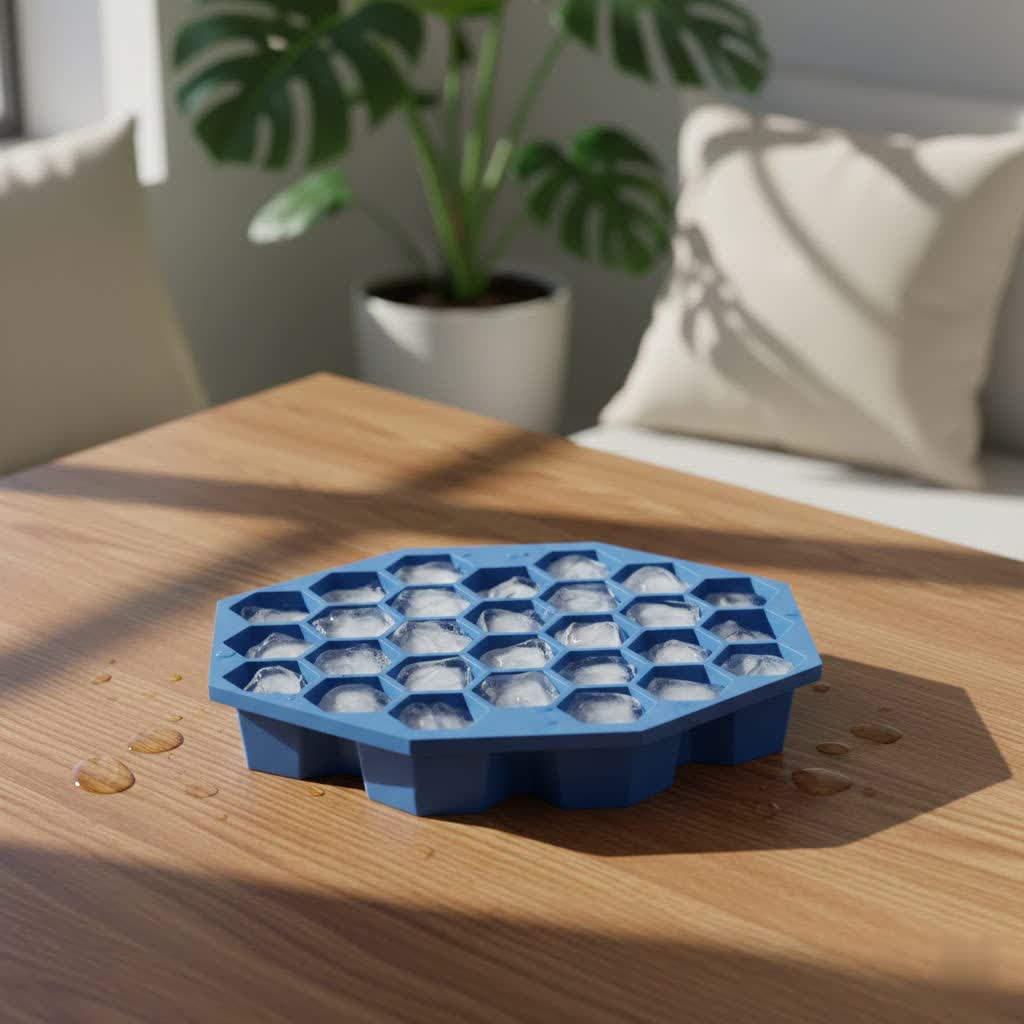
Few things are more frustrating in the kitchen than reaching for ice on a hot day, only to find your trusty ice tray has cracked, or the cubes shatter into a thousand tiny shards upon release. As a seasoned technician with over a decade immersed in home appliances and kitchenware, I’ve seen countless ice tray woes. The mystery behind why some ice trays seem to “blow up” or yield fractured ice isn’t a design flaw, but rather a dance with physics and material science. Understanding this interplay is key to enjoying perfectly formed ice cubes, every time. This guide will examine the root causes of these common frustrations and equip you with the knowledge to select and use ice trays that stand the test of time, ensuring your beverages are always perfectly chilled.
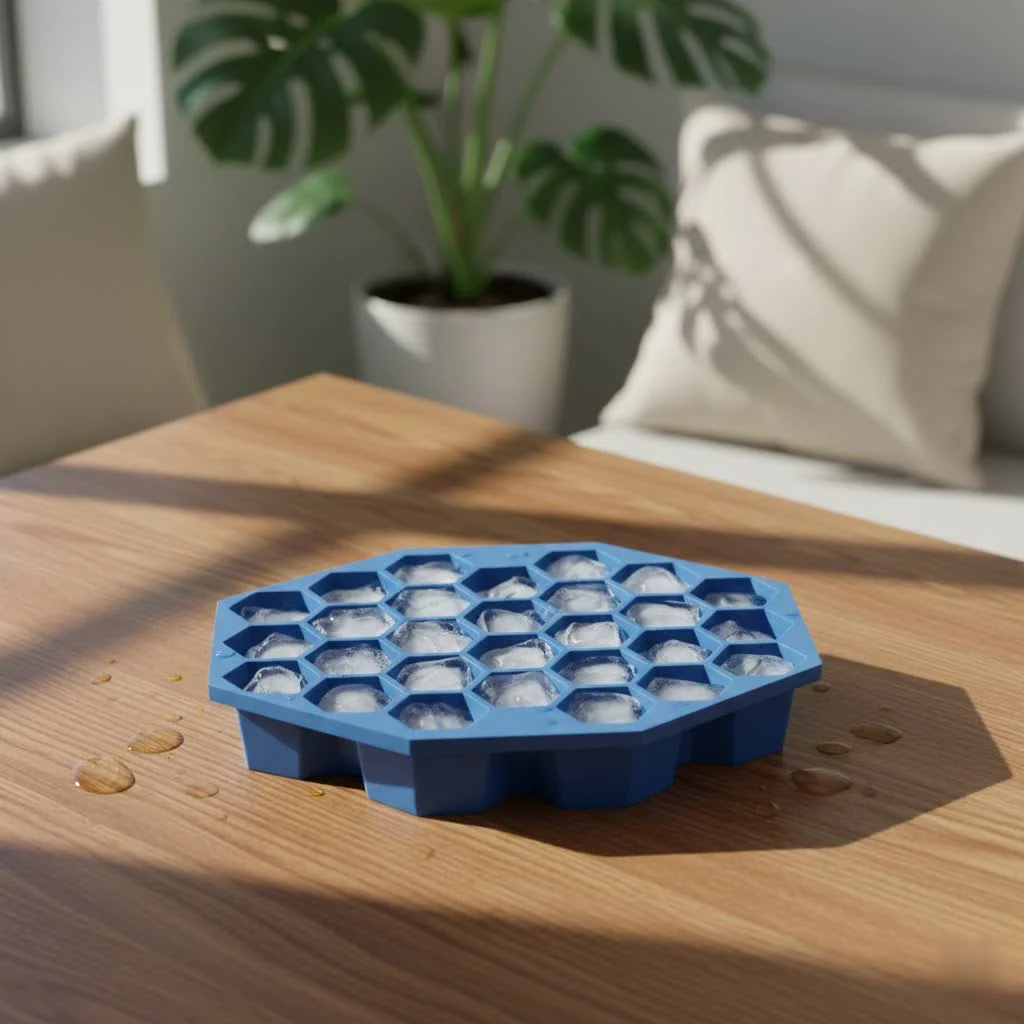
Understanding Why Ice Trays “Blow Up”
The term “blow up” for an ice tray might sound dramatic, but it perfectly captures the dismay of finding a split tray or stubbornly fractured ice. The primary culprit is the immutable law of physics: water expands as it freezes. While this expansion is roughly 9% in volume, it exerts immense pressure on its container, leading to cracks, warping, and eventually, failure of the tray itself if not managed properly. For expert ice cube reviews on this site.
The Science of Water Expansion and Its Impact
When water transforms into ice, its molecules arrange into a crystalline lattice that takes up more space than the liquid form. If an ice tray is filled to the brim, this expansion has nowhere to go but outwards, putting considerable stress on the tray walls. Rigid materials, especially common plastics, are particularly vulnerable to this internal pressure, leading to visible cracks or subtle micro-fractures that weaken the tray over time.
Temperature Shock: A Hidden Enemy
Another significant factor contributing to ice and tray damage is temperature shock. Imagine pulling a tray directly from a sub-zero freezer and immediately twisting it or running it under warm water. The sudden, drastic temperature change causes different parts of the ice and the tray to expand or contract at varying rates. This rapid thermal stress can create internal fractures within the ice cubes, making them brittle and prone to shattering, and can exacerbate existing weaknesses in the tray material.
Uneven Freezing and Its Consequences
Ice that freezes unevenly can develop internal stress lines. When cold air circulates around an ice tray, ice often forms from the outside inward. If the water’s impurities or dissolved gases become trapped in the center as freezing progresses, it creates pressure points and weaker spots within the cube’s structure. These imperfections mean that even a gentle twist can cause the ice to crumble rather than release cleanly.
The Rigidity of Plastic Trays
Traditional, hard plastic ice trays are notorious for their tendency to crack. Their lack of flexibility means they cannot adequately accommodate the expansion of freezing water. Each cycle of freezing and twisting stresses the plastic, leading to cumulative damage. This rigidity also makes releasing ice cubes a challenge, often requiring excessive force that further damages both the cubes and the tray itself.
Overfilling: The Most Common Mistake
Simply put, overfilling an ice tray is like a ticking time bomb. When there’s no room for water to expand, the force of the expanding ice has to go somewhere. This often manifests as bulging tray walls, deformation, or outright cracks, particularly at the weakest points or corners of the tray. It’s a direct pathway to premature tray failure.
Mineral Buildup in Water
The quality of your water also plays a role. Hard water, rich in minerals, can lead to ice cubes that freeze irregularly. These minerals can prevent a uniform crystalline structure from forming, leading to softer, cloudier, and more brittle ice that cracks easily when removed. The impurities can also leave residues in the tray, potentially affecting its long-term integrity.
Freezer Environment: A Contributing Factor
A freezer’s environment can impact your ice trays. Dry freezer air can lead to sublimation, where ice turns directly into vapor, causing cubes to shrink and bond more firmly to the tray. Fluctuating freezer temperatures, perhaps due to frequent door openings, can also contribute to uneven freezing and increased stress on both the ice and the tray.
Types of Ice Trays and Their Durability
|
Our Picks for the Best Ice Tray in 2026
As an Amazon Associate I earn from qualifying purchases.
|
||
| Num | Product | Action |
|---|---|---|
| 1 | OXO Good Grips Ice Cube Tray - 2 Pack White |

|
| 2 | GORILLA GRIP BPA-Free Easy Release Ice Cube Tray for Freezer, Make Lots of Ice, 56 Cubes Total, Kit Includes 2 Stackable Leakproof Trays with Lid and Soft Handle Grips, Scooper, Bin, For Coffee, Gray |
|
| 3 | 3 Pack Ice Trays for Freezer, 99 PCS Ice Cube Tray with Lid and Bin, Round Ice Cube Mold, Circle Ice Maker for Chilling Drinks (0.8 inch, Blue) |
|
| 4 | GORILLA GRIP BPA-Free Easy Release Ice Cube Tray for Freezer, Make Lots of Ice, 56 Cubes Total, Kit Includes 2 Stackable Leakproof Trays with Lid and Soft Handle Grips, Scooper, Bin, For Coffee, Red |
|
| 5 | DOQAUS Ice Cube Tray with Lid and Bin - 4 Pack Silicone Ice Cube Trays for Freezer, Stackable Ice Bucket Kits with Storage Container & Scoop for Kitchen, RV, Cocktail, Coffee |
|
| 6 | Ice Tray Easy Release White Ice Cube Trays, 16 Cube (Pack of 2) (2867-WHT-2) |
|
| 7 | Ice Cube Trays, Silicone Easy-Release and Flexible 14-Ice Trays with Spill-Resistant Removable Lid, BPA Free, Durable and Dishwasher Safe, 2 Pack |
|
| 8 | Extra Large Reusable Ice Cubes for Drinks(1.9” Sq.) - 6 Pack BPA-Free Plastic Ice Cube - Chills Drinks Without Diluting Suitable for Large Containers, Water Pitchers, Cold Therapy Devices |
|
| 9 | Ice Cube Trays for Freezer - 3 Pack 42 Cubes, Easy to Release Silicone Ice Trays with Spill-Resistant Lids, Reusable Ice Tray,Stackable and BPA-Free, Perfect for Cocktails, Drinks,and Ice Coffee |
|
| 10 | Ice Cube Tray 5 Pack, Stackable Silicone Ice Cube Trays with Lid– Easy Release Reusable Ice Tray, BPA-Free Rectangular Ice Cube Mold Set for Cocktails, Coffee, Whiskey & Drinks- Black |
|
Choosing the right ice tray material is paramount in preventing the dreaded “blow up” and ensuring a smooth ice-making experience. Each material comes with its own set of advantages and challenges, particularly concerning durability and ease of use under freezing conditions.
Plastic Ice Trays: Affordable but Prone to Stress
Plastic ice trays remain popular due largely to their low cost and wide availability. However, their rigidity is their Achilles’ heel when it comes to durability. While initially functional, repeated cycles of water expansion and the twisting required to release cubes stress the plastic, leading to inevitable cracking, especially in brittle, lower-quality plastics. They can also absorb freezer odors over time, affecting the taste of your ice.
> “For daily use, many budget plastic trays simply aren’t designed to withstand the continuous expansion and contraction from freezing. Investing a little more in a better material pays off in the long run.” – Alex Chen, Kitchenware Materials Specialist
Silicone Ice Trays: Flexibility for Easy Release
Silicone ice trays have surged in popularity, primarily because of their outstanding flexibility. This pliability makes releasing ice cubes incredibly easy, often just requiring a gentle push from the bottom. This inherent flexibility also means they can better accommodate the expansion of freezing water, significantly reducing the risk of cracking. High-quality, food-grade silicone is also non-toxic and less likely to absorb odors. Their main drawbacks can be a slightly higher price point and, for some designs, less rigidity for stacking without a supporting frame.
Stainless Steel Ice Trays: The Durable, Classic Choice
Stainless steel ice trays harken back to a classic era and offer exceptional durability. They are robust, non-corrosive, and do not absorb any freezer odors or flavors, ensuring pristine ice. While they are the most expensive option upfront, their longevity often makes them a worthwhile investment. Releasing ice from stainless steel trays typically involves a lever mechanism or letting the tray warm briefly. Without proper care or a good release mechanism, ice can stick, but the tray itself is highly resistant to damage from expansion.
Expert Strategies to Prevent “Ice Tray Blow-Ups” and Cube Shattering
With a clear understanding of the challenges, adopting a few expert techniques can dramatically improve your ice-making experience, preserving your trays and ensuring perfect cubes.
Proper Filling Techniques: Less is More
The simplest yet most effective prevention method is to avoid overfilling your ice trays. Always leave a small gap at the top of each compartment, perhaps ¼ inch, to allow for water’s natural expansion during freezing. This small space will prevent undue pressure on the tray’s walls, extending its lifespan.
Tempering the Tray for Gentle Release
Instead of forcing stubborn ice cubes out of the tray, give them a moment. After removing a tray from the freezer, let it sit on the countertop for one to two minutes. This brief tempering allows a slight warming, creating a thin film of water around the ice, which helps the cubes release more easily and reduces the stress on both the ice and the tray material.
Gentle Release Methods: Twist, Don’t Torture
Once tempered, use a gentle twisting motion to release the cubes. For very stubborn ice, briefly run the backside of the tray under cold water. Using warm or hot water directly on the ice can cause temperature shock, leading to shattering and excessively wet cubes that stick together in storage.
Water Quality: For Clearer, Stronger Ice
Consider using filtered water for your ice cubes. Reducing minerals and impurities can lead to clearer, denser ice that is less prone to internal fractures and has a cleaner taste. Boiling water before freezing (and letting it cool) can also produce clearer ice by removing dissolved gases, though this is a more time-consuming method.
Choosing the Right Material: Invest in Longevity
When purchasing new trays, prioritize flexibility and durability. Silicone trays are excellent for ease of release and resistance to cracking. For a truly robust and long-lasting option, stainless steel trays are a premium choice. While plastic is economical, opt for thicker, more flexible plastics if possible, or those with individual cube compartments that offer some give.
Using Lids and Storage Containers: Protection in the Freezer
Many modern ice trays come with lids, which serve multiple purposes. Lids prevent odors from other freezer items from contaminating your ice, reduce sublimation (ice shrinkage), and can help create a more consistent freezing environment by slowing down heat transfer. Once cubes are frozen, transfer them to an airtight freezer-safe container to further protect them from odors and freezer burn.
Freezer Management: Consistency is Key
Maintain a consistent freezer temperature, ideally around 0°F (-18°C). Avoid prolonged freezer door openings, as temperature fluctuations can impact ice formation. Also, avoid stacking heavy items directly on top of filled ice trays, which can deform them before freezing is complete.
Beyond Basic Cubes: Specialized Trays for Enhanced Durability and Experience
The world of ice trays has evolved beyond simple plastic rectangles. Today’s market offers a range of specialized designs that address common durability and release issues, enhancing your overall experience.
Many trays are now designed with individual, flexible silicone compartments, sometimes within a rigid outer frame. This hybrid design offers the stability for easy handling and stacking, combined with the effortless pop-out convenience of silicone, significantly reducing the stress on both the tray and the ice cubes. Specialized trays for large cubes or spheres are often constructed with thicker, more robust materials or innovative designs that minimize the contact points with the freezing surface, making them inherently more durable and easier to release without damage. These thoughtful designs directly combat the causes of “blow-ups” by considering water expansion and material stress from the outset.
Conclusion
The frustration of an ice tray that “blows up” or produces shattered cubes is a common one, but it’s a problem with clear solutions rooted in understanding the physics of freezing and smart product choices. By leaving a small amount of space when filling, allowing your tray to temper before release, and choosing materials like flexible silicone or sturdy stainless steel, you can largely eliminate these annoyances. These simple adjustments not only prolong the life of your kitchen tools but also ensure a steady supply of perfect ice, ready to cool your favorite beverages without a hitch. What are your personal go-to methods for perfectly preserved ice?
Frequently Asked Questions
Why does my plastic ice tray keep cracking?
Plastic ice trays often crack due to the expansion of water as it freezes. Water increases in volume by about 9%, and rigid plastic cannot flex to accommodate this pressure. Overfilling, coupled with the stress of twisting to release cubes, leads to micro-fractures and eventual breakage.
Is it better to use hot or cold water for ice cubes?
Counterintuitively, some suggest hot water freezes faster (the Mpemba effect) and can produce clearer ice by reducing dissolved gases. However, for preventing tray damage and ice shattering, the temperature of the initial water matters less than proper filling and gentle release techniques. For most home users, cool tap water is perfectly fine, provided you don’t overfill.
How much space should I leave when filling an ice tray?
You should leave approximately ¼ inch (about 0.6 cm) of space at the top of each ice cube compartment. This allowance provides sufficient room for the water to expand as it freezes, preventing undue stress on the ice tray and reducing the likelihood of cracking or deformation.
How do I get ice out of a rigid tray without breaking it?
To release ice from a rigid tray without breaking it, first let the tray sit on the countertop for one to two minutes after removing it from the freezer. Then, twist the tray gently. If cubes are still stuck, briefly run the underside of the tray under cold tap water to loosen them, avoiding direct contact with the ice itself.
Get our weekly buyer guide
Practical specs, not advice. Unsubscribe anytime.
