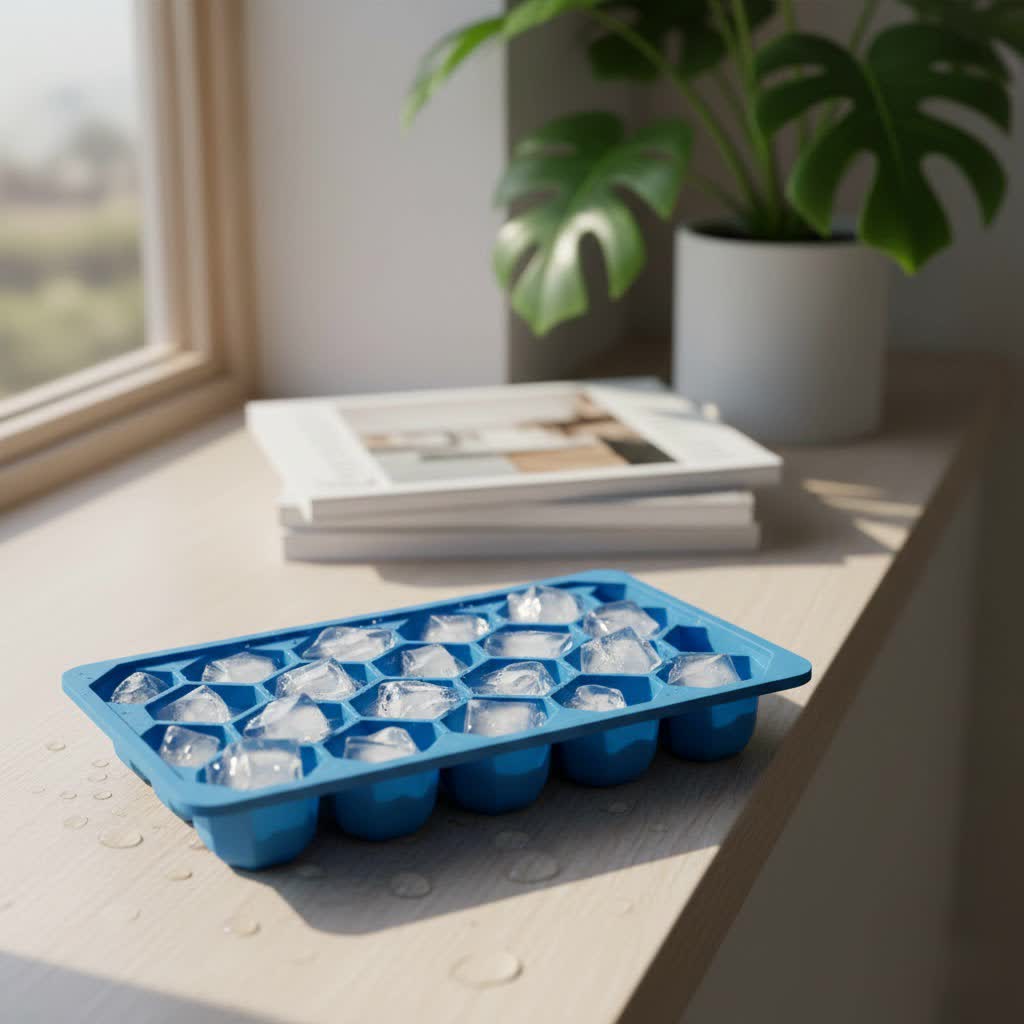
Imagine a perfectly chilled drink, not watered down by rapidly melting ice, but kept crisp and flavorful by a single, elegant sphere. This isn’t just a fantasy from a high-end bar; it’s an everyday luxury achievable with the right ice ball ice cube tray. As someone with over a decade of experience in home appliances and kitchenware, I’ve seen countless innovations, but few have transformed the simple act of cooling a beverage quite like the ice ball. This guide will examine everything you need to know about these sophisticated tools, helping you choose the best one to enhance your drinking experience.
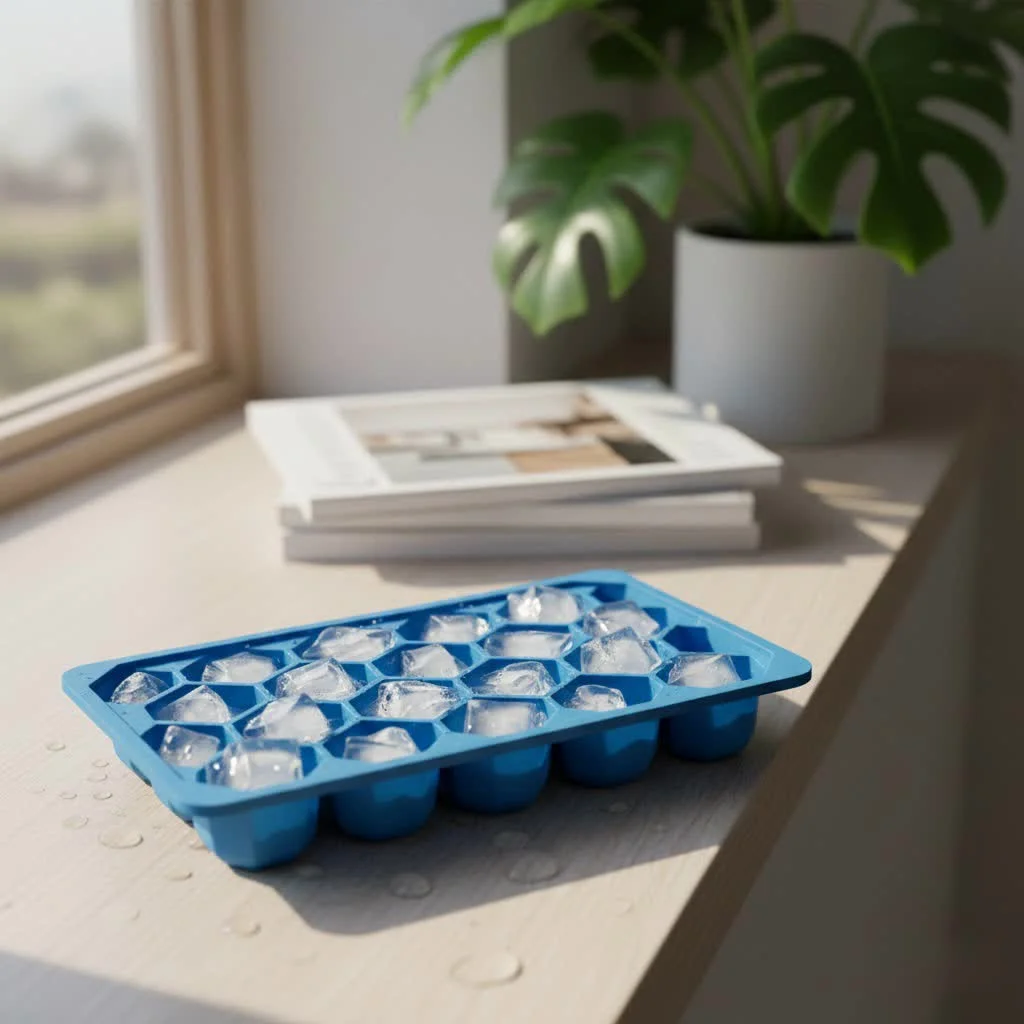
What are Ice Ball Ice Cube Trays?
At its core, an ice ball ice cube tray is a mold designed to freeze water into a spherical shape rather than traditional cubes. While the concept seems simple, the impact on your beverage is profound. The magic lies in physics: a sphere has the lowest possible surface area-to-volume ratio of any shape. This fundamental geometric principle means that an ice ball melts significantly slower than a standard ice cube of equivalent volume, delaying dilution and preserving the integrity of your drink. Initially a secret of mixologists and whiskey connoisseurs, ice balls have now become a popular home accessory, transforming everyday sips into moments of refined enjoyment.
The Unrivaled Benefits of Ice Balls
Beyond their aesthetic appeal, ice balls offer several practical advantages that improve your drinking experience.
Slower Dilution
The most significant benefit of an ice ball is its ability to melt slowly. Because less surface area is exposed to the liquid, the ice ball releases water at a much gentler pace. This means your prized whiskey, a carefully crafted cocktail, or even a refreshing glass of iced tea stays at its optimal strength and flavor for longer, without becoming watery.
Enhanced Flavor Preservation
With slower dilution comes superior flavor preservation. When ice melts too quickly, it can dilute the nuanced notes of your beverage, muting the intended taste profile. Ice balls allow you to savor every sip, ensuring that the intricate flavors of your drink remain vibrant and true from start to finish.
Elevated Presentation
There’s no denying the visual impact of an ice ball. A large, crystal-clear sphere rolling gently in a tumbler adds an undeniable touch of sophistication and elegance. Whether you’re entertaining guests or simply enjoying a quiet evening drink, an ice ball transforms your beverage into a visual spectacle, impressing with its clean lines and minimalist charm.
Optimal Chilling
|
Our Picks for the Best Ice Tray in 2026
As an Amazon Associate I earn from qualifying purchases.
|
||
| Num | Product | Action |
|---|---|---|
| 1 | Ice Tray Easy Release White Ice Cube Trays, 16 Cube (Pack of 2) (2867-WHT-2) |

|
| 2 | Extra Large Reusable Ice Cubes for Drinks(1.9” Sq.) - 6 Pack BPA-Free Plastic Ice Cube - Chills Drinks Without Diluting Suitable for Large Containers, Water Pitchers, Cold Therapy Devices |
|
| 3 | OXO Good Grips Ice Cube Tray - 2 Pack White |
|
| 4 | GORILLA GRIP BPA-Free Easy Release Ice Cube Tray for Freezer, Make Lots of Ice, 56 Cubes Total, Kit Includes 2 Stackable Leakproof Trays with Lid and Soft Handle Grips, Scooper, Bin, For Coffee, Gray |
|
| 5 | DOQAUS Ice Cube Tray with Lid and Bin - 4 Pack Silicone Ice Cube Trays for Freezer, Stackable Ice Bucket Kits with Storage Container & Scoop for Kitchen, RV, Cocktail, Coffee |
|
| 6 | 3 Pack Ice Trays for Freezer, 99 PCS Ice Cube Tray with Lid and Bin, Round Ice Cube Mold, Circle Ice Maker for Chilling Drinks (0.8 inch, Blue) |
|
| 7 | Ice Cube Trays, Silicone Easy-Release and Flexible 14-Ice Trays with Spill-Resistant Removable Lid, BPA Free, Durable and Dishwasher Safe, 2 Pack |
|
| 8 | Ice Cube Trays for Freezer - 3 Pack 42 Cubes, Easy to Release Silicone Ice Trays with Spill-Resistant Lids, Reusable Ice Tray,Stackable and BPA-Free, Perfect for Cocktails, Drinks,and Ice Coffee |
|
| 9 | GORILLA GRIP BPA-Free Easy Release Ice Cube Tray for Freezer, Make Lots of Ice, 56 Cubes Total, Kit Includes 2 Stackable Leakproof Trays with Lid and Soft Handle Grips, Scooper, Bin, For Coffee, Red |
|
| 10 | Ice Cube Tray 5 Pack, Stackable Silicone Ice Cube Trays with Lid– Easy Release Reusable Ice Tray, BPA-Free Rectangular Ice Cube Mold Set for Cocktails, Coffee, Whiskey & Drinks- Black |
|
Ice balls provide a gradual, consistent chill without shocking the drink. This steady cooling ensures your beverage reaches and maintains the perfect temperature, enhancing enjoyment without making it excessively cold initially, which can sometimes dull flavors. It’s about a smooth, prolonged chill that respects the nuances of your drink.
Types of Ice Ball Molds: Finding Your Perfect Match
The market offers a variety of ice ball molds, each with distinct characteristics and materials. Understanding these differences is key to selecting the right one for your needs.
Silicone Molds
Silicone is a popular material for ice ball trays due to its flexibility.
- Advantages: Easy release of ice balls is a major plus; simply push from the bottom, and the spheres pop out effortlessly. Their pliable nature also makes them safe for use in freezers and dishwashers.
- Disadvantages: Softer silicone molds, especially those with multiple cavities, can be floppy and prone to leaking if not handled carefully when filled with water. Thin silicone may also absorb freezer odors, potentially affecting the taste of your ice.
Plastic Molds
Often designed with a rigid structure, plastic ice ball molds come in various configurations.
- Advantages: Rigid plastic trays are typically more secure and less likely to leak once properly sealed. Many designs are stackable, saving valuable freezer space. They are also generally more impervious to freezer smells.
- Disadvantages: Releasing ice from rigid plastic can sometimes be more challenging, requiring twisting and flexing that might risk cracking the mold over time. Achieving a perfect seal can also be a learning curve.
Insulated/Clear Ice Makers
For those who seek absolute perfection, clear ice makers are the ultimate choice. These systems employ a technique called directional freezing.
- How they work: By insulating the sides and bottom, these molds force water to freeze from the top down. This process pushes impurities and air bubbles to an unfrozen reservoir at the bottom, resulting in crystal-clear ice free of cloudiness.
- Benefits: The clarity not only looks stunning but also contributes to slower melting, as air pockets in cloudy ice can accelerate the melting process. Clear ice also tastes purer, as impurities are removed.
- Considerations: These systems usually require longer freezing times and are often bulkier and more expensive than standard molds.
Choosing Your Ideal Ice Ball Ice Cube Tray
With so many options, how do you pick the best ice ball tray for your home? Consider these factors:
- Material Preference: Do you prioritize the easy release of silicone, or the sturdy, stackable nature of plastic? Evaluate the trade-offs based on your freezer space and handling preferences.
- Ice Size and Quantity: Are you looking for large, single spheres ideal for a glass of whiskey, or smaller balls for general beverage cooling or creative concoctions? Some trays make just a few large spheres, while others produce many smaller ones.
- Ease of Use and Release: Look for designs with secure lids to prevent spills and freezer burn. For silicone, ensure it’s thick enough to hold its shape. For plastic, check reviews on how easily the ice is released without cracking.
- Clear Ice Capability: If crystal-clear ice is a must-have for aesthetic and purity reasons, invest in an insulated clear ice maker. For everyday use, standard silicone or plastic molds will suffice. Using purified or boiled water can also improve clarity in any mold.
- Durability and Safety: Always opt for molds made from food-grade, BPA-free materials to ensure safety and longevity. Thicker materials generally last longer.
- Storage and Stackability: Consider how the trays will fit into your freezer. Stackable designs with lids are excellent for maximizing space and preventing freezer odors from contaminating the ice.
Tips for Making the Perfect Ice Balls
Even with the best mold, a few simple techniques can dramatically improve your ice ball game:
- Use Quality Water: For the clearest and purest ice, start with filtered or distilled water. Boiling tap water twice and letting it cool before freezing can also help remove dissolved gases that cause cloudiness.
- Fill Carefully: Avoid overfilling, especially with two-part sphere molds, to prevent overflow and unsightly ice ridges. Many molds have a small fill hole or a clear indicator.
- Freezing Time: Ice balls generally require a longer freezing time than standard cubes due to their volume and the insulating properties of many molds. Allow at least 4-6 hours, or preferably overnight, for optimal freezing.
- Easy Release: For silicone molds, a gentle twist or push is usually enough. For more rigid plastic molds, a quick rinse under warm water can help loosen the ice without affecting its core temperature.
- Store Properly: Once frozen, remove ice balls from their molds and store them in an airtight container or a dedicated ice bin to prevent them from absorbing freezer odors.
Ice Balls vs. Traditional Cubes: A Head-to-Head Comparison
Here’s a quick comparison to highlight the key differences:
| Feature | Ice Ball | Traditional Ice Cube |
|---|---|---|
| Melting Rate | Significantly slower | Faster |
| Appearance | Elegant, sophisticated, often clear | Standard, often cloudy or crescent-shaped |
| Flavor Impact | Minimizes dilution, preserves flavor | Quicker dilution, can water down drinks faster |
| Usability | Best for savoring, cocktails, spirits | Quick, everyday chilling, general use |
| Chill Quality | Gradual, prolonged, consistent chill | Rapid initial chill, but shorter overall chilling |
| Material | Silicone, rigid plastic, insulated systems | Plastic, sometimes silicone or metal |
Top Ice Ball Ice Cube Trays to Consider
Based on extensive testing and user feedback, several types of ice ball trays consistently stand out for their quality and performance. Dedicated clear ice makers, utilizing directional freezing, are unparalleled for producing pristine, bubble-free spheres that melt exceptionally slowly, ideal for premium spirits. For general use, high-quality silicone sphere molds offer excellent flexibility for easy release and are often BPA-free, making them a safe and convenient choice. Some hybrid designs combine rigid plastic bases with silicone tops, aiming for the best of both worlds—stability and easy ice removal. Consider reputable brands known for durable, food-grade materials to ensure longevity and consistent results.
Conclusion
The journey into the world of ice ball ice cube trays reveals that ice is far more than just frozen water; it’s an integral component of your beverage experience. From preserving the delicate notes of a fine whiskey to adding a touch of elegance to your everyday drinks, ice balls offer a clear advantage. By understanding the different materials, benefits, and usage tips, you’re now equipped to choose a tray that perfectly fits your lifestyle and elevates every sip. Don’t settle for watery drinks; embrace the slow melt and sophisticated chill of ice balls.
What’s your favorite way to enjoy an ice ball in your drink, and what kind of beverage do you find it enhances the most?
Frequently Asked Questions
Are ice balls actually better than regular ice cubes?
Yes, ice balls are generally considered better for many drinks, especially spirits and cocktails. Their spherical shape has a lower surface area-to-volume ratio, causing them to melt much slower than traditional ice cubes. This slower melting rate means less dilution of your drink, preserving its flavor and potency for a longer period. They also offer a more elegant presentation.
How do I make clear ice balls instead of cloudy ones?
To make clear ice balls, you need to control the freezing process to remove impurities and trapped air. Using distilled or pre-boiled water (boiled twice and cooled) can help. The most effective method involves “directional freezing” using an insulated ice mold, which forces water to freeze from one direction, pushing impurities to an unfrozen section.
How long do ice balls take to freeze?
Ice balls typically take longer to freeze than standard ice cubes due to their larger volume and the insulating properties of many sphere molds. Depending on the size of the sphere and the freezer’s temperature, expect them to take anywhere from 4 to 8 hours, or even overnight, for a complete freeze.
Are silicone or plastic ice ball trays better?
Both silicone and plastic ice ball trays have their merits. Silicone molds are known for easy ice release and flexibility, making it simple to pop out spheres. However, they can be flimsy and prone to spills if not designed well. Rigid plastic molds are more stable and stackable, preventing spills and freezer odors, but releasing the ice can sometimes be more challenging. Your preference depends on what features you value most.
Get our weekly buyer guide
Practical specs, not advice. Unsubscribe anytime.

I’ve been experimenting with different ice shapes for my cocktails, and the ice balls are definitely superior for presentation and chilling. My only minor complaint is that some of the cheaper plastic ones can be a bit tricky to fill without spilling, and sometimes they don’t seal perfectly, leading to a slightly misshapen sphere. Still, when they work, they’re fantastic.
I used to hate how quickly my whiskey would get watered down, but these ice ball trays are a game changer! The large spheres melt so much slower, keeping my drink strong and cold for ages. I picked up the silicone mold recommended for easy release, and it really works like a charm. Definitely an upgrade for anyone serious about their sips.
I got one of these ice ball trays, and while the idea is cool, it takes up a lot of space in my small freezer compared to regular trays. Also, getting the perfect sphere can be a bit finicky; sometimes I end up with a flat spot or a seam. It’s okay, but not as revolutionary as I hoped for my everyday water bottle.
I never thought much about ice until I tried an ice ball. It really does make a difference in how long my iced tea stays cold without getting diluted. I even tried adding some mint leaves to the water before freezing, and it looked so elegant in my glass. It’s a small luxury that makes everyday drinks feel special.