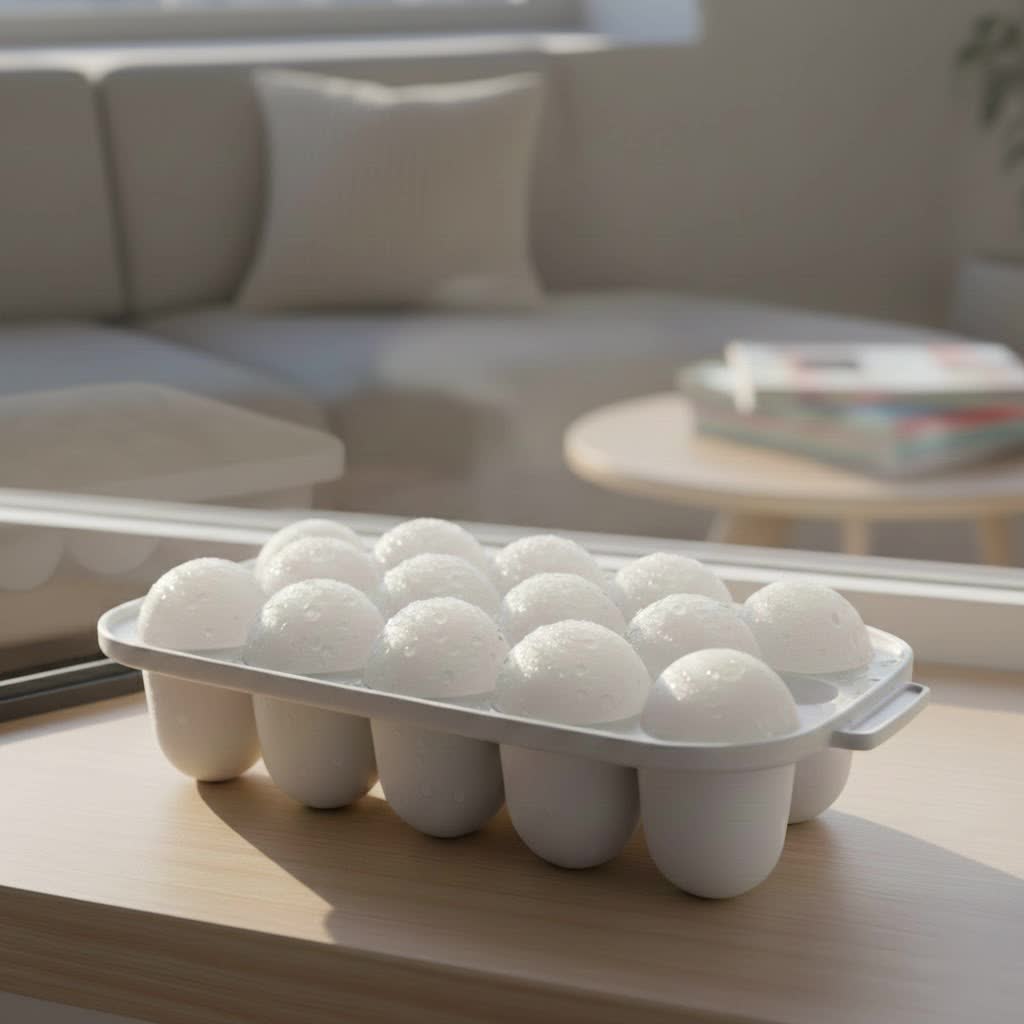
The humble ice cube tray, a seemingly simple kitchen staple, plays a crucial role in enhancing our daily beverages and culinary creations. From chilling a refreshing drink on a hot summer day to preserving herbs or baby food, selecting the right ice cube tray for your freezer can make a surprising difference in convenience, taste, and overall satisfaction. With countless options flooding the market, navigating the choices can feel overwhelming. This guide will cut through the clutter, offering insights from years of experience to help you pick the perfect ice cube tray that meets your unique needs and preferences.
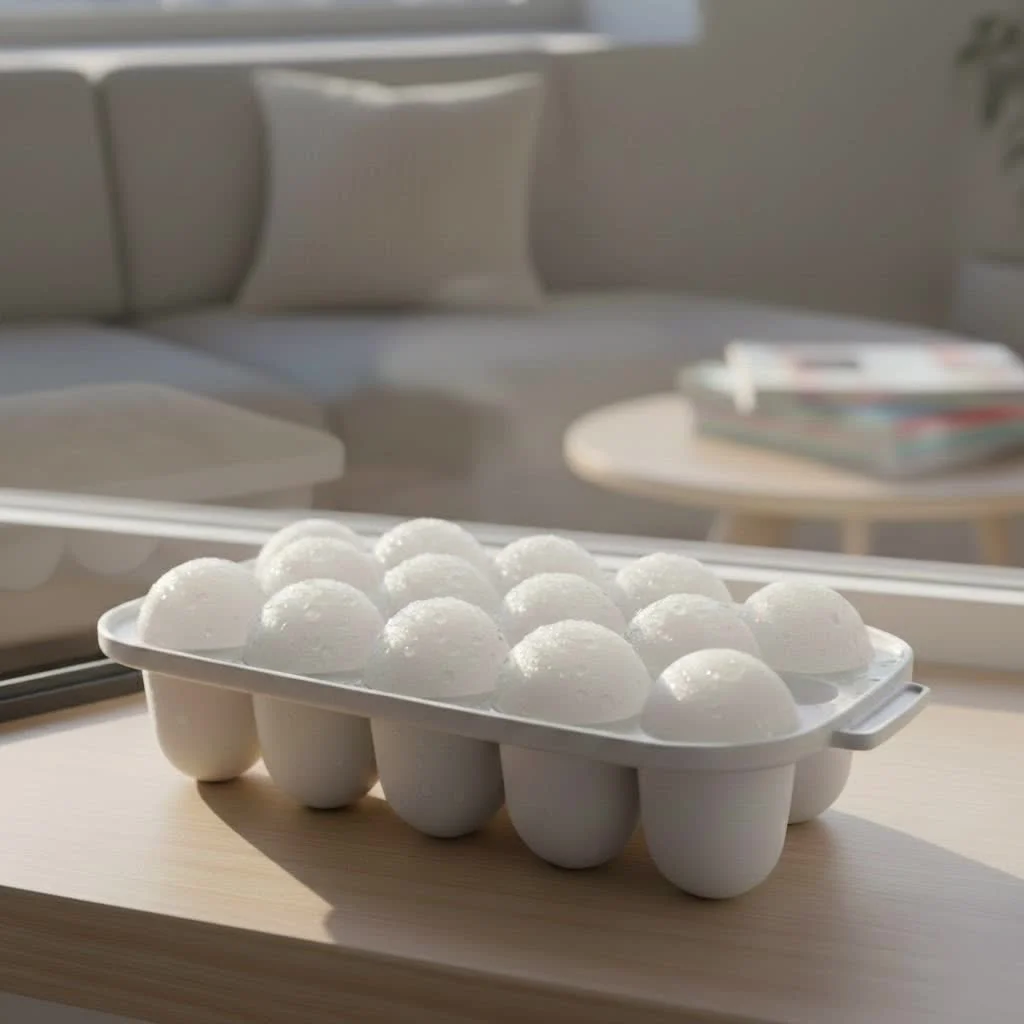
Popular Types of Ice Cube Trays
Understanding the different materials and designs available is the first step in finding your ideal ice cube tray. Each type comes with its own set of advantages and considerations for freezer use.
Plastic Ice Cube Trays
Plastic trays are perhaps the most ubiquitous and budget-friendly option.
- Advantages: They are widely available, inexpensive, and generally good at preventing the absorption of odors into your ice, especially thicker plastic varieties. Many are also dishwasher-safe for easy cleaning.
- Disadvantages: Plastic can be prone to cracking over time, particularly with repeated twisting to release ice. Concerns about microplastics and chemical leaching (if not BPA-free) lead some consumers to seek alternatives. Ice can sometimes be challenging to release, requiring force or a twist that can damage the tray.
Silicone Ice Cube Trays
Gaining immense popularity for their user-friendly design, silicone trays offer flexibility.
- Advantages: Their most significant benefit is the effortless ice release; cubes often pop out with a gentle push from the bottom. High-quality food-grade silicone is BPA-free and doesn’t leach harmful chemicals, making it a safe choice. Silicone is also durable and can withstand extreme temperatures, making it versatile for freezing other liquids or even baking.
- Disadvantages: A notable drawback is silicone’s tendency to absorb odors from the freezer, which can impart an unpleasant taste to your ice. Regular and proper cleaning, sometimes even involving baking, is necessary to combat this. While flexible, they can be flimsy when full, making transport to the freezer tricky without a stable base or a lid.
Stainless Steel Ice Cube Trays
For those prioritizing durability and a chemical-free solution, stainless steel trays are a premium choice.
- Advantages: Stainless steel is exceptionally durable, rust-resistant, and does not leach any chemicals into your ice. It’s also naturally antimicrobial and can help ice freeze faster due to its thermal conductivity. For environmental concerns, stainless steel is a highly sustainable, reusable option.
- Disadvantages: They are typically the most expensive option. Releasing ice cubes can be trickier than with silicone, often requiring a lever mechanism. Unlike plastic or silicone, you usually cannot remove individual cubes; the entire tray must be emptied into a bin if you only need a few. They also require careful handling to avoid frostbite when wet.
Lidded Ice Cube Trays
|
Our Picks for the Best Ice Tray in 2026
As an Amazon Associate I earn from qualifying purchases.
|
||
| Num | Product | Action |
|---|---|---|
| 1 | 3 Pack Ice Trays for Freezer, 99 PCS Ice Cube Tray with Lid and Bin, Round Ice Cube Mold, Circle Ice Maker for Chilling Drinks (0.8 inch, Blue) |

|
| 2 | Ice Cube Trays, Silicone Easy-Release and Flexible 14-Ice Trays with Spill-Resistant Removable Lid, BPA Free, Durable and Dishwasher Safe, 2 Pack |
|
| 3 | Ice Cube Trays for Freezer - 3 Pack 42 Cubes, Easy to Release Silicone Ice Trays with Spill-Resistant Lids, Reusable Ice Tray,Stackable and BPA-Free, Perfect for Cocktails, Drinks,and Ice Coffee |
|
| 4 | OXO Good Grips Ice Cube Tray - 2 Pack White |
|
| 5 | GORILLA GRIP BPA-Free Easy Release Ice Cube Tray for Freezer, Make Lots of Ice, 56 Cubes Total, Kit Includes 2 Stackable Leakproof Trays with Lid and Soft Handle Grips, Scooper, Bin, For Coffee, Gray |
|
| 6 | GORILLA GRIP BPA-Free Easy Release Ice Cube Tray for Freezer, Make Lots of Ice, 56 Cubes Total, Kit Includes 2 Stackable Leakproof Trays with Lid and Soft Handle Grips, Scooper, Bin, For Coffee, Red |
|
| 7 | Ice Tray Easy Release White Ice Cube Trays, 16 Cube (Pack of 2) (2867-WHT-2) |
|
| 8 | DOQAUS Ice Cube Tray with Lid and Bin - 4 Pack Silicone Ice Cube Trays for Freezer, Stackable Ice Bucket Kits with Storage Container & Scoop for Kitchen, RV, Cocktail, Coffee |
|
| 9 | Extra Large Reusable Ice Cubes for Drinks(1.9” Sq.) - 6 Pack BPA-Free Plastic Ice Cube - Chills Drinks Without Diluting Suitable for Large Containers, Water Pitchers, Cold Therapy Devices |
|
| 10 | Ice Cube Tray 5 Pack, Stackable Silicone Ice Cube Trays with Lid– Easy Release Reusable Ice Tray, BPA-Free Rectangular Ice Cube Mold Set for Cocktails, Coffee, Whiskey & Drinks- Black |
|
Trays with lids, regardless of material, offer enhanced functionality for any freezer setup.
- Advantages: Lids are excellent for preventing spills when carrying a full tray to the freezer and, crucially, for blocking unwanted freezer odors from tainting your ice. They also allow for efficient stacking, maximizing precious freezer space.
- Disadvantages: Some lids can be difficult to secure or remove, and in some designs, they might add a bit of bulk, consuming slightly more space than a lidless tray.
Novelty and Large-Format Ice Trays
Beyond standard cubes, specialized trays create unique ice shapes.
- Advantages: Sphere ice molds, large cubes, and fun shapes (like hexagons or sticks) add a touch of sophistication or whimsy to drinks. Larger ice cubes melt slower, keeping beverages colder for longer without diluting them quickly, making them ideal for whiskey, cocktails, or iced coffee. Stick-shaped ice is perfect for water bottles.
- Disadvantages: These trays might produce fewer cubes per batch, requiring more trays or frequent refilling. Some intricate designs can also be harder to fill and release.
Detailed Comparison of Ice Cube Trays
To help you visualize the differences, here’s a detailed comparison of common ice cube tray types:
| Feature | Plastic Ice Trays | Silicone Ice Trays | Stainless Steel Ice Trays |
|---|---|---|---|
| Material Safety | Generally safe (BPA-free) | Food-grade, BPA-free, non-toxic | Food-grade, non-toxic, no leaching |
| Durability | Moderate, prone to cracking | High, flexible, resistant to breaking | Very high, lasts many years |
| Ease of Ice Release | Requires twisting, can be difficult | Very easy (push from bottom) | Requires lever, can be somewhat difficult |
| Odor Absorption | Low (if thick plastic) | High, can absorb freezer odors | Very low, non-porous |
| Cleaning | Dishwasher safe (top rack) | Dishwasher safe, may need baking for odors | Dishwasher safe, easy to clean |
| Freezer Space | Stackable (with lids) | Stackable (with lids), flexible | Stackable |
| Price | Low | Moderate | High |
| Specialty Use | General ice making, batch freezing | Cocktail ice, baby food, herbs | Cocktail ice, premium drinks |
- Plastic: Best for those on a budget or who value odor resistance in a traditional tray. However, vigilance regarding cracking and potential microplastics is warranted.
- Silicone: Ideal for easy ice release and versatility. Just be prepared for regular cleaning to keep odors at bay.
- Stainless Steel: The top pick for maximum durability, health safety, and a premium feel. The investment pays off in longevity and purity of ice.
How to Choose the Perfect Ice Cube Tray for Your Freezer
Choosing the best ice cube tray involves aligning its features with your lifestyle and preferences.
Assess Your Usage Needs
Consider how often you use ice and for what purpose. Do you need a constant supply for a busy household, or just a few cubes for occasional drinks?
- Quantity and Size: If you entertain frequently or have a large family, consider trays that produce many cubes or larger cubes that melt slower. Larger cubes are excellent for high-end cocktails as they dilute less. Smaller, nugget-style ice might be preferred for everyday drinks or water bottles.
- Frequency of Use: For daily use, easy-release trays are paramount. If you only make ice occasionally, other factors might take precedence.
Prioritize Safe Materials
The material of your ice tray directly impacts the safety and taste of your ice.
- Food-Grade Certification: Always opt for trays made from 100% food-grade silicone, BPA-free plastic (specifically PP plastic), or stainless steel. These materials ensure that no harmful chemicals leach into your ice.
- Avoid Unmarked Plastics: Steer clear of trays made from unknown plastics, especially if they feel brittle or have a strong chemical smell.
Evaluate Durability and Longevity
An ice cube tray is an investment, even a small one. Choose a product built to last.
- Sturdy Construction: Look for trays that feel robust. Thicker plastic is less likely to crack. Stainless steel trays are known for their exceptional longevity. Silicone, while flexible, should still feel substantial.
- Joints and Hinges: If the tray has moving parts (like a lever in stainless steel trays or attached lids), check their construction for durability.
Consider Ease of Cleaning
Nobody wants a cumbersome cleaning routine.
- Dishwasher Safe: Many plastic and silicone trays are dishwasher safe, simplifying cleanup. Always check product specifications.
- Odor Resistance: If choosing silicone, be aware of its potential to absorb freezer odors. A good cleaning tip is to bake silicone trays at 350°F (175°C) for 30 minutes, let them cool, then wash them to eliminate persistent odors.
Read User Reviews
The experiences of other consumers can provide invaluable insights.
- Online Retailers & Forums: Check reviews on e-commerce sites and dedicated product forums. Look for consistent feedback regarding ease of use, durability, and any recurring issues.
- Recommendations: Ask friends or family for their recommendations, especially if they have similar needs or freezer setups.
Tips for Using and Maintaining Your Ice Cube Tray
Proper care extends the life of your ice cube tray and ensures the best quality ice.
- Initial Wash: Always wash your new ice cube tray thoroughly with soap and warm water before its first use.
- Don’t Overfill: Fill trays slightly below the rim to prevent ice from fusing together and to allow for water expansion during freezing. For trays with lids, this also prevents spills.
- Easy Release Techniques:
- Plastic: A gentle twist often works. If stubborn, run the bottom of the tray under warm water for a few seconds.
- Silicone: Simply push the bottom of each cube mold to pop them out.
- Stainless Steel: Use the integrated lever system. You may need a towel for grip and to avoid direct contact with cold metal.
- Regular Cleaning: Wash trays frequently to prevent residue buildup and odors. If silicone develops an odor, try the baking method mentioned above.
- Storage: Store clean, dry trays in a well-ventilated area or stack them neatly in the freezer, especially if they have lids, to prevent cross-contamination and freezer burn. Using lidded trays also helps keep ice fresh and free from ambient freezer odors.
Top Ice Trays for Your Freezer (Based on Current Market Trends and Features)
While specific product recommendations can change, here are types of ice cube trays that consistently receive high marks for their quality and innovative features:
- Lidded Trays with Storage Bins: These systems are incredibly convenient, allowing you to produce and store a large quantity of ice while keeping it fresh and odor-free. They often feature easy-release silicone trays nested within a plastic bin, making them a practical choice for most households.
- Large Cube/Sphere Molds: Brands specializing in cocktail ice consistently offer robust silicone molds for oversized cubes or spheres. These are prized for their slow melt rate, enhancing the drink experience.
- Classic Sturdy Plastic Trays: For those who prefer the traditional approach, well-designed plastic trays that are thick, durable, and come with a reliable lid remain a popular, cost-effective option for everyday ice.
Conclusion
Choosing the right ice cube tray for your freezer might seem like a small decision, but it significantly impacts your daily convenience and enjoyment. By considering factors such as material, ease of use, durability, and special features like lids and unique shapes, you can find a tray that perfectly aligns with your needs. Whether you opt for the flexibility of silicone, the classic reliability of plastic, or the enduring quality of stainless steel, a well-chosen ice cube tray ensures you’ll always have perfectly chilled beverages and easily accessible frozen portions.
What’s your go-to ice cube tray feature that you can’t live without? Share your ice-making wisdom!
Frequently Asked Questions
Which material is best for an ice cube tray to prevent freezer odors?
Thicker plastic trays tend to be good at preventing odor absorption. While silicone can absorb odors, using a tray with an airtight lid and regularly cleaning your silicone trays (including baking them if odors persist) can mitigate this issue. Stainless steel is also very effective at resisting odor absorption due to its non-porous nature.
Can I freeze things other than water in ice cube trays?
Absolutely! Ice cube trays are excellent for freezing various liquids and small portions of food, such as herbs in oil, chicken or vegetable broth, coffee, fruit purees, baby food, wine (for cooking), or even small portions of pesto. This helps reduce food waste and makes meal prep more efficient.
How do I make clear ice cubes at home?
Making perfectly clear ice cubes typically requires a directional freezing method. Specialized clear ice cube trays work by insulating the sides and bottom of the water, allowing it to freeze from the top down. This pushes impurities and trapped air to the bottom, resulting in crystal-clear ice. Boiling water before freezing can also help, but directional freezing is the most effective method for true clarity.
Are silicone ice cube trays safe?
Yes, high-quality, 100% food-grade silicone ice cube trays are generally considered safe. They are free from BPA, phthalates, and other harmful chemicals commonly found in some plastics. Ensure you purchase trays from reputable brands to guarantee food-grade quality.
How do I remove ice cubes easily from a plastic tray without breaking it?
To easily remove ice cubes from a traditional plastic tray, try twisting the tray gently. If the cubes are still stuck, run the bottom of the tray under warm water for a few seconds. This slight warming will help release the ice without needing excessive force that could damage the plastic.
Get our weekly buyer guide
Practical specs, not advice. Unsubscribe anytime.
