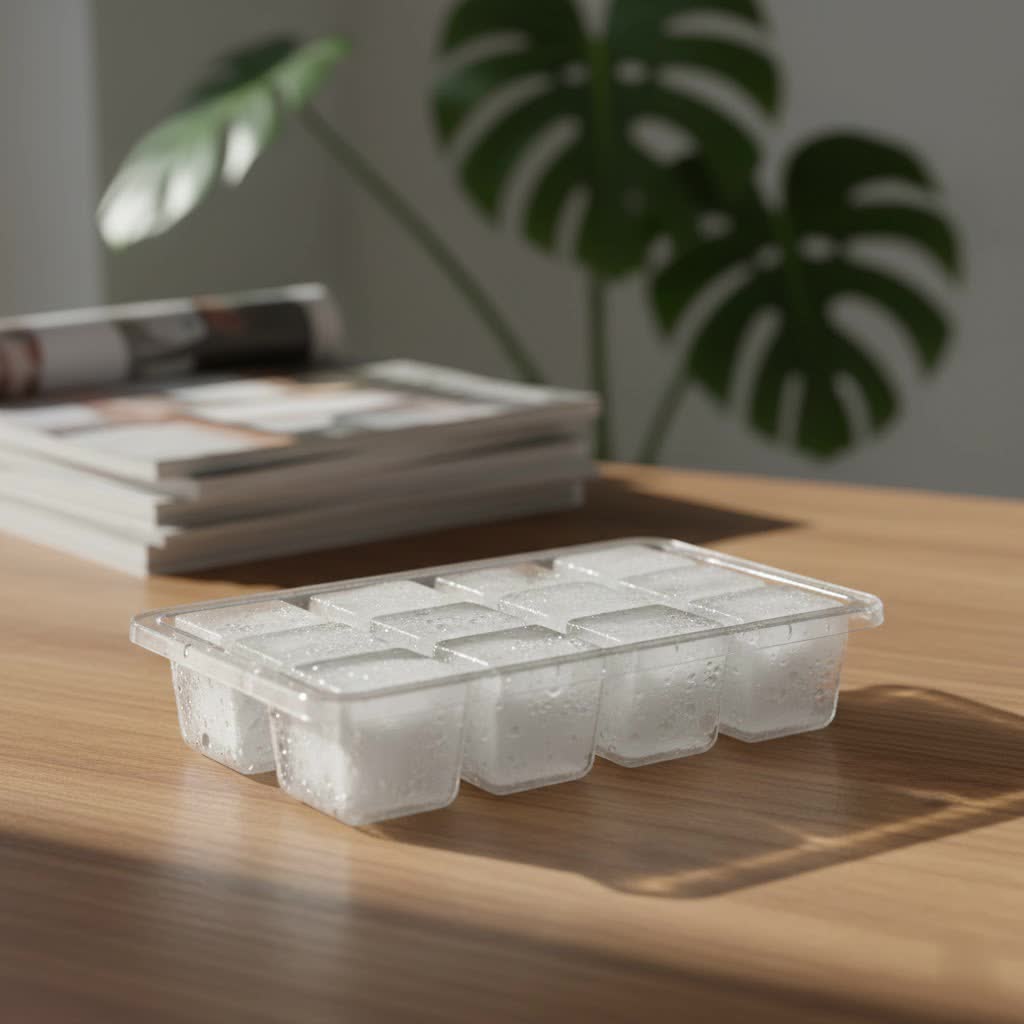
In the world of beverages, ice is often an afterthought, merely a means to cool a drink. Yet, for many, the right ice can transform an ordinary refreshment into an experience, evoking nostalgia or elevating a sophisticated cocktail. The term “old fashioned ice cube tray” encompasses two distinct yet equally cherished concepts: the classic lever-action metal trays of yesteryear and the large, slow-melting ice molds designed for timeless drinks like the Old Fashioned. Let’s delve into the history, types, benefits, and considerations for choosing the perfect ice cube tray for your needs.
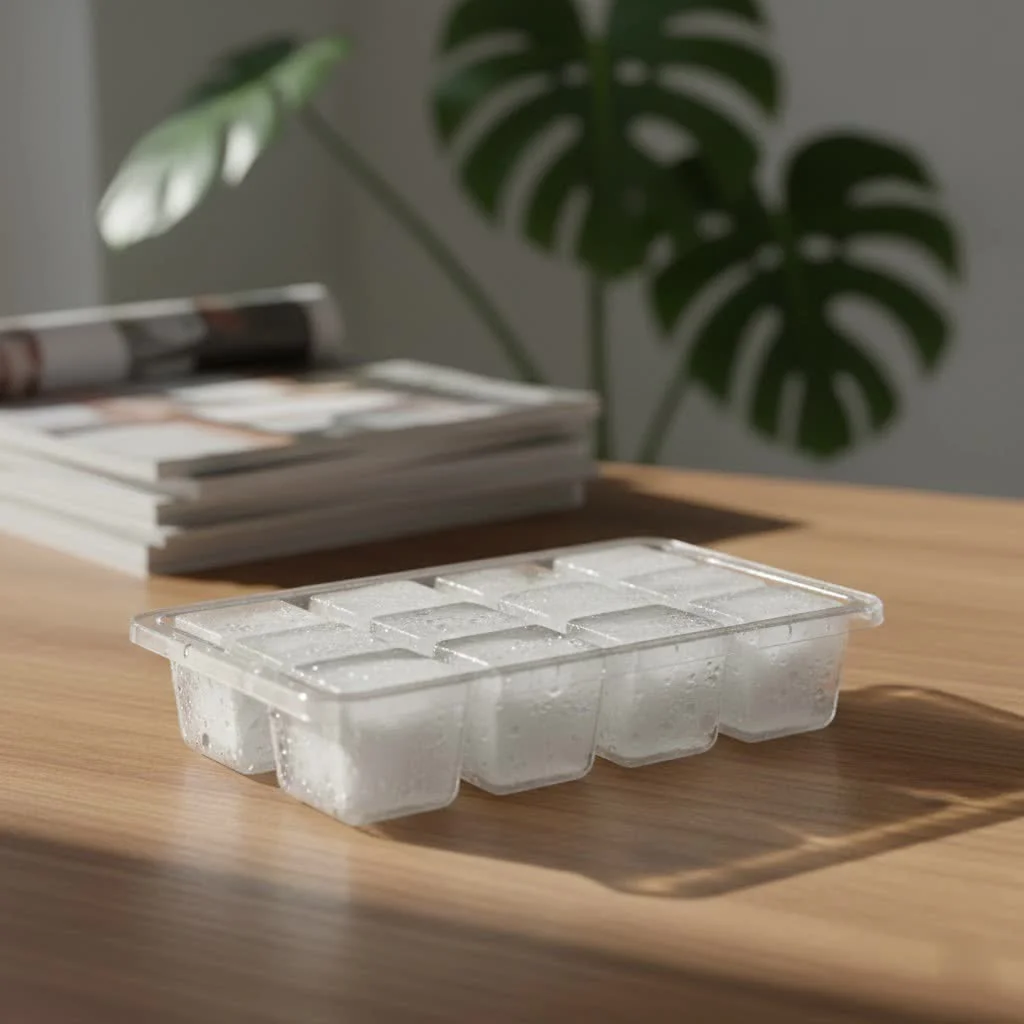
A Journey Through Time: The Evolution of Ice Cube Trays
Before the advent of modern refrigeration, households relied on large blocks of ice, often delivered by “icemen,” from which pieces were chipped by hand. This manual process meant irregular ice shapes and sizes. The integration of home freezers in the 1920s sparked a need for a more convenient way to produce uniform ice. Early innovations included flexible rubber trays, designed to simplify ice removal, though these gradually faded from prominence.
The mid-20th century, particularly from the late 1940s through the 1970s, saw the widespread popularity of aluminum ice cube trays, often equipped with an ingenious lever mechanism. Brands like “Magic Touch” and “Honeycomb” became household names, celebrated for their mechanical release system. This design allowed users to crack cubes free with a satisfying click or squeaky-cracking sound, a tactile experience that remains a fond memory for a generation. These metal trays, while revolutionary for their time, often gave way to simpler, more flexible plastic versions in the 1970s. Today, alongside classic plastic, the market is rich with specialized silicone and robust stainless steel options, catering to diverse preferences and modern culinary trends.
Decoding “Old Fashioned”: Two Distinct Styles, One Classic Name
The phrase “old fashioned ice cube tray” carries a dual meaning, each appealing to different aspects of ice-making tradition and contemporary use.
The Vintage Lever-Action Tray: A Nod to the Past
For many, an “old fashioned ice cube tray” immediately brings to mind the iconic metal tray with a central lever. Typically crafted from aluminum or stainless steel, these trays feature a grid-like divider that segments the water into individual cubes. Once frozen, a simple pull of the lever would flex the tray’s bottom, simultaneously cracking and releasing the ice.
- Why it’s “Old Fashioned”: These trays represent a bygone era of kitchen simplicity, a time before automatic ice makers became standard. Their mechanical operation and distinct sound evoke a strong sense of nostalgia and a connection to traditional household routines.
- Pros:
- Durability: Made from robust metals, these trays are built to last for decades.
- Odor Resistance: Metal does not absorb freezer odors, ensuring pure-tasting ice.
- Satisfying Experience: The tactile and auditory feedback of the lever mechanism is uniquely gratifying.
- Aesthetic Appeal: Their classic design adds a touch of retro charm to any kitchen.
- Cons:
- Manual Release: While the lever aids, some effort is still required, and early versions without levers could be challenging.
- Temperature: Metal becomes very cold, making direct handling of a freshly removed tray less comfortable.
- Potential for Leakage: Older or poorly maintained trays might occasionally leak.
The Modern Cocktail Ice Mold: Crafting the Perfect Drink
|
Our Picks for the Best Ice Tray in 2026
As an Amazon Associate I earn from qualifying purchases.
|
||
| Num | Product | Action |
|---|---|---|
| 1 | 3 Pack Ice Trays for Freezer, 99 PCS Ice Cube Tray with Lid and Bin, Round Ice Cube Mold, Circle Ice Maker for Chilling Drinks (0.8 inch, Blue) |

|
| 2 | GORILLA GRIP BPA-Free Easy Release Ice Cube Tray for Freezer, Make Lots of Ice, 56 Cubes Total, Kit Includes 2 Stackable Leakproof Trays with Lid and Soft Handle Grips, Scooper, Bin, For Coffee, Red |
|
| 3 | Ice Cube Trays for Freezer - 3 Pack 42 Cubes, Easy to Release Silicone Ice Trays with Spill-Resistant Lids, Reusable Ice Tray,Stackable and BPA-Free, Perfect for Cocktails, Drinks,and Ice Coffee |
|
| 4 | Ice Cube Trays, Silicone Easy-Release and Flexible 14-Ice Trays with Spill-Resistant Removable Lid, BPA Free, Durable and Dishwasher Safe, 2 Pack |
|
| 5 | Extra Large Reusable Ice Cubes for Drinks(1.9” Sq.) - 6 Pack BPA-Free Plastic Ice Cube - Chills Drinks Without Diluting Suitable for Large Containers, Water Pitchers, Cold Therapy Devices |
|
| 6 | OXO Good Grips Ice Cube Tray - 2 Pack White |
|
| 7 | Ice Cube Tray 5 Pack, Stackable Silicone Ice Cube Trays with Lid– Easy Release Reusable Ice Tray, BPA-Free Rectangular Ice Cube Mold Set for Cocktails, Coffee, Whiskey & Drinks- Black |
|
| 8 | Ice Tray Easy Release White Ice Cube Trays, 16 Cube (Pack of 2) (2867-WHT-2) |
|
| 9 | GORILLA GRIP BPA-Free Easy Release Ice Cube Tray for Freezer, Make Lots of Ice, 56 Cubes Total, Kit Includes 2 Stackable Leakproof Trays with Lid and Soft Handle Grips, Scooper, Bin, For Coffee, Gray |
|
| 10 | DOQAUS Ice Cube Tray with Lid and Bin - 4 Pack Silicone Ice Cube Trays for Freezer, Stackable Ice Bucket Kits with Storage Container & Scoop for Kitchen, RV, Cocktail, Coffee |
|
In contemporary mixology, “old fashioned” also refers to the style of ice suited for classic spirits and cocktails, particularly the eponymous Old Fashioned. These modern molds are designed to produce large, often perfectly square or spherical ice, departing from the smaller, quicker-melting cubes of standard trays.
- Why it’s “Old Fashioned”: This interpretation focuses on the outcome – ice that enhances a classic drink. Large ice cubes are essential for slow dilution, a key principle in crafting quality cocktails where the spirit’s integrity is preserved.
- Pros:
- Slow Melting: Larger ice has less surface area relative to its volume, melting significantly slower and preventing rapid dilution of your drink.
- Optimal Chilling: Keeps beverages colder for longer without watering down their flavor.
- Elevated Presentation: Oversized cubes or spheres lend an air of sophistication and professionalism to homemade cocktails.
- Easy Release (often): Many modern large ice molds are made from flexible silicone, allowing for effortless ice removal.
- Cons:
- Freezer Space: Large molds naturally take up more room in the freezer.
- Quantity: Typically yield fewer cubes per tray compared to standard trays.
- Odor Absorption (for silicone): Silicone can absorb freezer odors if not cleaned and stored properly.
Material Matters: A Closer Look at Old Fashioned Ice Tray Materials
The material of an ice cube tray significantly impacts its performance, durability, and how it interacts with your ice.
- Stainless Steel: Modern stainless steel trays often pay homage to the vintage lever design but offer superior durability and hygiene. They do not absorb odors, making them ideal for pure-tasting ice. While some may require a brief run under warm water for optimal release, their robust construction ensures a lifetime of use.
- Aluminum (Vintage): Lightweight and an excellent thermal conductor, vintage aluminum trays freeze water quickly. Their “Magic Touch” lever design is a functional and nostalgic highlight. These are primarily sought by collectors or those wishing to recreate a truly authentic mid-century kitchen experience.
- Silicone (Modern Large Ice): The go-to for modern craft cocktail ice, silicone offers unparalleled flexibility. This makes releasing large, intricate ice shapes incredibly easy. Food-grade silicone is also versatile, allowing you to freeze not just water, but also herbs in olive oil, coffee, broth, or baby food. However, proper cleaning and lid use are crucial to prevent odor absorption.
- Heavy-Duty Plastic (Modern Large Ice): A more affordable option for large ice, quality plastic trays can be sturdy and durable. They are a good choice for those seeking the benefits of slow-melting ice without the higher investment of stainless steel or specialized silicone. Look for BPA-free options for safety.
Choosing Your Perfect “Old Fashioned” Ice Cube Tray
Deciding on the best old fashioned ice cube tray boils down to your personal preferences and intended use.
- Identify Your Priority: Are you seeking the nostalgic charm and mechanical satisfaction of a vintage lever-action tray, or is your goal to craft perfectly chilled, undiluted cocktails with large, slow-melting ice?
- Consider Ice Size and Shape: For spirits and sophisticated drinks, large square or spherical ice is paramount for minimal dilution. For everyday beverages, standard cubes may suffice, though many find the benefits of larger ice appealing across the board.
- Evaluate Material: Stainless steel offers longevity and purity, while silicone provides ease of release and versatility for creative freezing. Vintage aluminum delivers an authentic, nostalgic experience.
- Ease of Release: Lever mechanisms offer a distinct, satisfying release. Flexible silicone trays allow you to simply push ice out from the bottom. Consider which method aligns best with your preference for convenience and experience.
- Freezer Space and Storage: Large molds will occupy more freezer real estate. Trays with lids are invaluable for preventing spills, warding off freezer odors, and enabling stackable storage, keeping your freezer organized and your ice fresh.
Tips for Using and Caring for Your Old Fashioned Ice Cube Tray
To ensure your ice cube trays serve you well for years, proper care is key:
- Initial Cleaning: Always wash a new ice cube tray thoroughly with warm, soapy water before its first use.
- Filling Correctly: Avoid overfilling. Leave a small gap at the top of each compartment to allow for water expansion as it freezes, preventing ice from fusing into a solid block.
- Easy Release: For metal lever-action trays, pull the lever gently but firmly. If ice is stubborn, a quick rinse of the tray’s underside with warm water can help. For silicone trays, a gentle twist or push from the bottom of each cube usually suffices.
- Preventing Odor Transfer: Lids are your best friend. They create a barrier against ambient freezer odors from other foods, ensuring your ice remains neutral and pure-tasting. Regularly wash all types of trays, and for silicone, an occasional rinse with a vinegar-water solution can help neutralize any absorbed smells.
- Proper Storage: Store trays dry when not in use. Lidded designs allow for efficient stacking, maximizing freezer space.
- Beyond Water: Don’t limit your trays to just water! Freeze coffee for iced coffee that won’t get watered down, fruit juices for flavored drinks, or pureed herbs in olive oil or broth for easy meal prep.
Conclusion
The “old fashioned ice cube tray” is more than just a kitchen tool; it’s a testament to timeless design and evolving needs. Whether you’re drawn to the charming ritual of a vintage lever-action tray, appreciating its durable construction and satisfying click, or you prefer the modern utility of large silicone molds for crafting slow-melting cocktail ice, there’s an old fashioned ice solution for everyone. Your choice reflects not just a preference for ice, but a desire for quality, experience, and perhaps a touch of nostalgia in your everyday. What’s your favorite ice-making tradition or tip?
Get our weekly buyer guide
Practical specs, not advice. Unsubscribe anytime.
