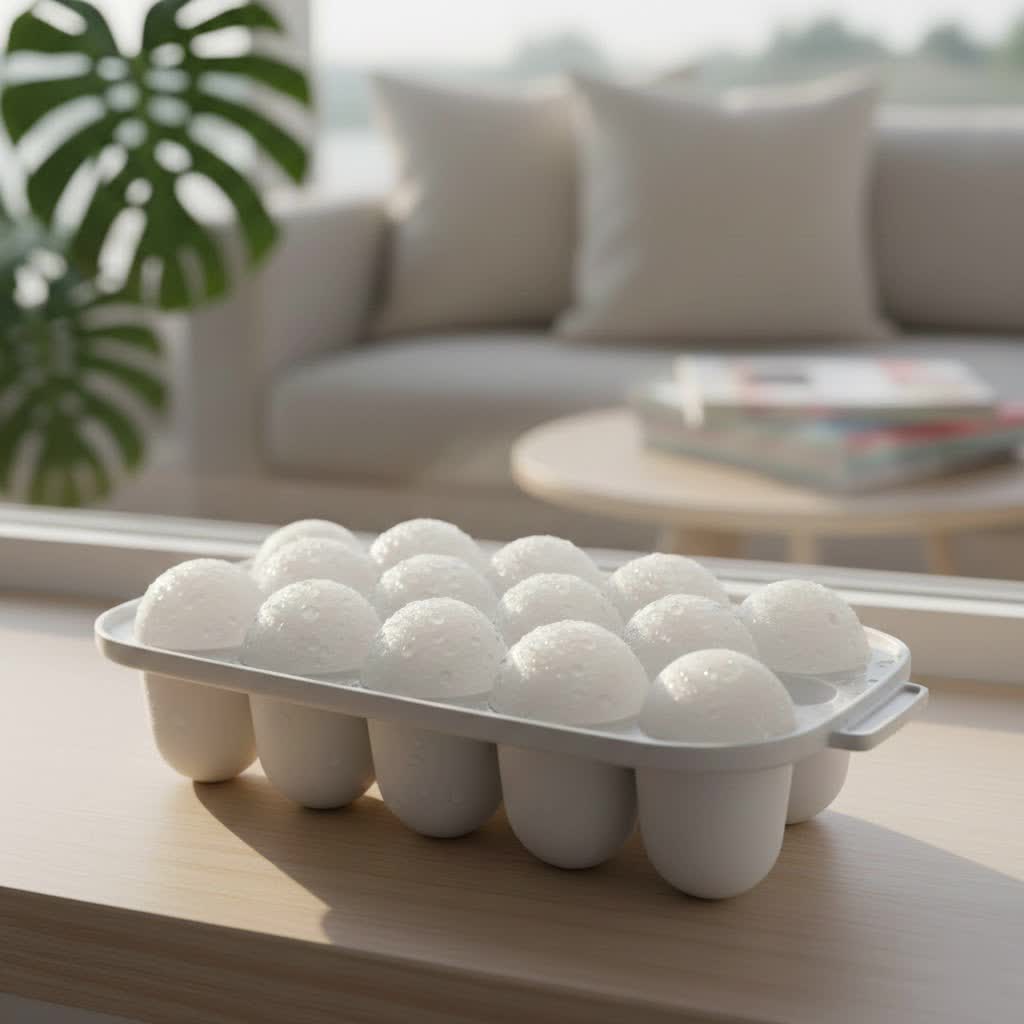
Do you find yourself constantly reaching for an ice cube tray, yet rarely giving it a second thought? For many, the humble ice cube tray is a kitchen staple, and plastic versions have dominated freezers for decades. But with a market flooded with alternatives, understanding the nuances of the plastic ice cube tray is key to making the best choice for your home. This comprehensive guide will explore everything from materials and design to safety and maintenance, ensuring your next ice-making experience is perfectly chill.
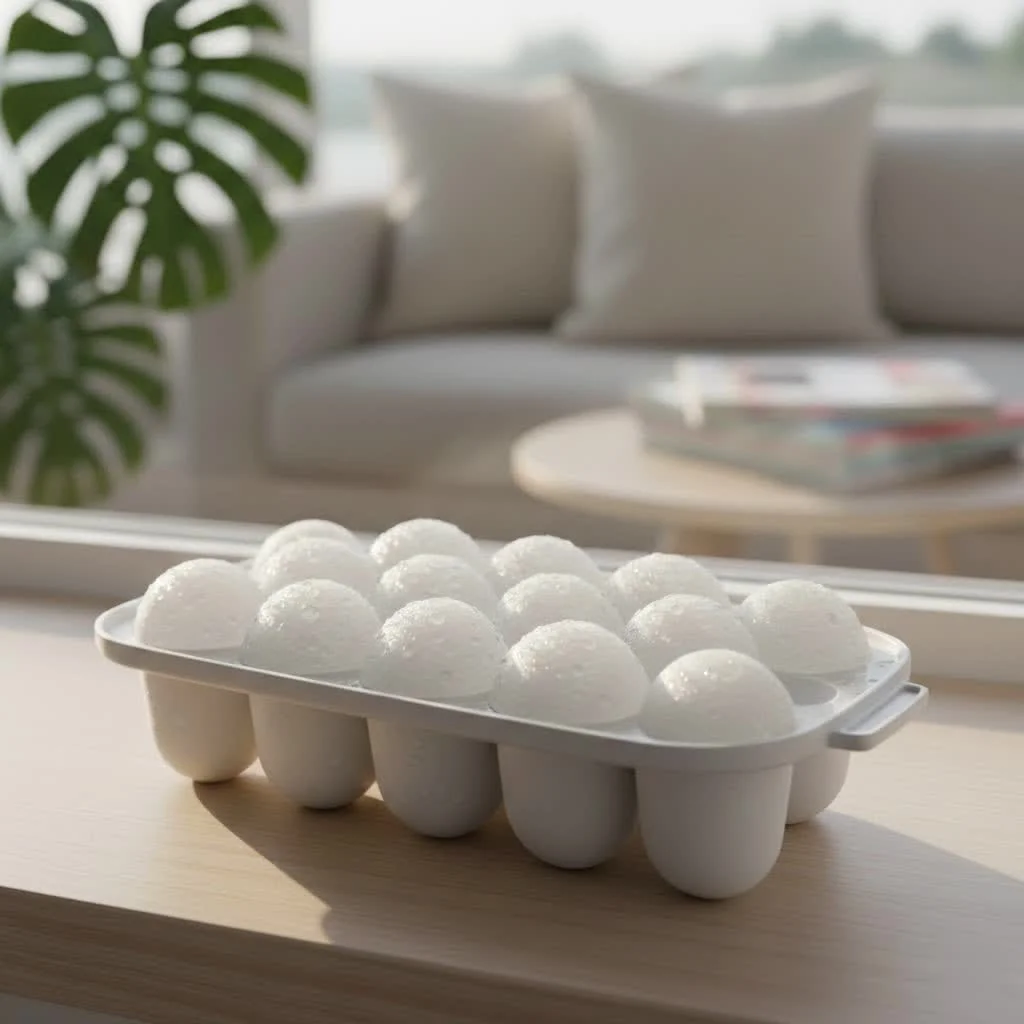
Understanding the Landscape: Popular Types of Ice Trays
The world of ice trays offers a spectrum of materials, each with unique characteristics. While this article focuses on the classic plastic variety, a brief overview of the main contenders helps contextualize its place in your kitchen.
Plastic Ice Cube Trays
Plastic ice cube trays are the traditional workhorses found in most freezers, known for their affordability and widespread availability. They are typically made from rigid plastics, offering a sturdy structure for filling and transferring to the freezer. However, this rigidity can also lead to challenges when it comes to durability and ice removal. The quality of plastic can vary significantly, impacting their lifespan and potential safety.
Silicone Ice Trays
In recent years, silicone ice trays have risen in popularity due to their remarkable flexibility and ease of use. Made from food-grade silicone, these trays allow for effortless ice cube release with a simple twist or push, minimizing breakage and mess. They are also highly durable and resistant to cracking, offering a longer lifespan than many plastic alternatives.
Stainless Steel Ice Trays
Stainless steel ice trays harken back to a bygone era, often featuring a lever mechanism for ice release. Renowned for their exceptional durability and non-toxic properties, they are a premium, eco-conscious choice. While more expensive and sometimes requiring a bit more effort to use, they offer a truly long-lasting solution free from plastic concerns.
Lidded Ice Trays
Whether plastic or silicone, many modern ice trays come equipped with lids. These lids serve multiple purposes: preventing spills when transferring full trays, protecting ice from absorbing freezer odors, and allowing for convenient stacking to maximize freezer space. Lidded designs are a practical upgrade for any material.
Novelty and Specialty Ice Trays
Beyond standard cubes, a variety of trays offer unique shapes and sizes, from large spheres and intricate molds to mini cubes. These specialty trays, often made from silicone or even flexible plastic, add a touch of fun and sophistication to beverages, though they can sometimes be more challenging to fill and empty.
The Plastic Ice Cube Tray: Advantages and Disadvantages
When considering a plastic ice cube tray, it’s important to weigh its benefits against its drawbacks, especially in light of newer material options.
Advantages of Plastic Ice Cube Trays
|
Our Picks for the Best Ice Tray in 2026
As an Amazon Associate I earn from qualifying purchases.
|
||
| Num | Product | Action |
|---|---|---|
| 1 | Extra Large Reusable Ice Cubes for Drinks(1.9” Sq.) - 6 Pack BPA-Free Plastic Ice Cube - Chills Drinks Without Diluting Suitable for Large Containers, Water Pitchers, Cold Therapy Devices |

|
| 2 | 3 Pack Ice Trays for Freezer, 99 PCS Ice Cube Tray with Lid and Bin, Round Ice Cube Mold, Circle Ice Maker for Chilling Drinks (0.8 inch, Blue) |
|
| 3 | Ice Cube Tray 5 Pack, Stackable Silicone Ice Cube Trays with Lid– Easy Release Reusable Ice Tray, BPA-Free Rectangular Ice Cube Mold Set for Cocktails, Coffee, Whiskey & Drinks- Black |
|
| 4 | GORILLA GRIP BPA-Free Easy Release Ice Cube Tray for Freezer, Make Lots of Ice, 56 Cubes Total, Kit Includes 2 Stackable Leakproof Trays with Lid and Soft Handle Grips, Scooper, Bin, For Coffee, Gray |
|
| 5 | GORILLA GRIP BPA-Free Easy Release Ice Cube Tray for Freezer, Make Lots of Ice, 56 Cubes Total, Kit Includes 2 Stackable Leakproof Trays with Lid and Soft Handle Grips, Scooper, Bin, For Coffee, Red |
|
| 6 | DOQAUS Ice Cube Tray with Lid and Bin - 4 Pack Silicone Ice Cube Trays for Freezer, Stackable Ice Bucket Kits with Storage Container & Scoop for Kitchen, RV, Cocktail, Coffee |
|
| 7 | Ice Cube Trays for Freezer - 3 Pack 42 Cubes, Easy to Release Silicone Ice Trays with Spill-Resistant Lids, Reusable Ice Tray,Stackable and BPA-Free, Perfect for Cocktails, Drinks,and Ice Coffee |
|
| 8 | OXO Good Grips Ice Cube Tray - 2 Pack White |
|
| 9 | Ice Tray Easy Release White Ice Cube Trays, 16 Cube (Pack of 2) (2867-WHT-2) |
|
| 10 | Ice Cube Trays, Silicone Easy-Release and Flexible 14-Ice Trays with Spill-Resistant Removable Lid, BPA Free, Durable and Dishwasher Safe, 2 Pack |
|
Plastic ice cube trays offer several compelling benefits that keep them a popular choice for many households. Their cost-effectiveness is often the primary draw, making them accessible to virtually any budget. You can easily find multiple trays for the price of a single silicone or stainless steel option, allowing you to stock up on ice without a significant investment.
The rigid structure of traditional plastic trays provides stability when filling them with water and transporting them to the freezer, reducing the likelihood of spills. This firmness also contributes to their stackability, an important factor for maximizing limited freezer space. Furthermore, plastic trays are lightweight, making them easy to handle, even when full.
Disadvantages of Plastic Ice Cube Trays
Despite their advantages, plastic ice cube trays come with notable drawbacks that can affect their performance and longevity. One of the most common complaints is their tendency to crack or break over time, especially after repeated twisting or bending to release stubborn ice cubes. This brittleness can lead to frequent replacements, diminishing their initial cost advantage.
Releasing ice from a rigid plastic tray can be a struggle, often requiring force or running water over the back of the tray. This can be frustrating and inefficient, particularly when you need ice quickly. Another significant concern is their propensity to absorb odors from other foods in the freezer, which can impart an unpleasant taste to your ice cubes. This issue often necessitates more frequent and thorough cleaning to maintain fresh-tasting ice.
Safety First: Understanding Plastic in Your Freezer
The safety of plastic ice cube trays is a frequent topic of discussion, particularly concerning chemical leaching.
The BPA-Free Claim and What It Means
For years, Bisphenol A (BPA) was a major concern in many plastic products, including some food and beverage containers. Manufacturers responded by introducing “BPA-free” plastic ice cube trays, aiming to address consumer anxieties about this chemical. However, a “BPA-free” label does not always guarantee complete chemical safety.
Research indicates that some BPA-free plastics may contain similar chemicals, such as Bisphenol S (BPS) or Bisphenol F (BPF), which can potentially have comparable health impacts to BPA. These substitute chemicals can still leach into food and drinks, particularly when exposed to temperature fluctuations, such as the freezing and thawing cycle of ice making. Therefore, while BPA-free is a step in the right direction, it’s prudent to remain informed about the broader implications of plastic chemicals.
Potential Chemical Leaching Risks
Even without BPA, plastic can still leach chemicals into your ice, especially over time or under certain conditions. The freezing process itself, although cold, can still cause slight degradation of plastic polymers, potentially allowing microplastic particles or other additives to enter the water. Long-term storage of ice in plastic trays or exposure to highly acidic or fatty liquids (if you’re freezing more than just water) could exacerbate this issue. While the overall risk from food-grade plastics is generally considered low by regulatory bodies for standard use, those seeking the utmost purity often opt for alternative materials like stainless steel or glass.
Choosing the Right Plastic Ice Cube Tray
If a plastic ice cube tray aligns with your needs and budget, focusing on specific features can significantly enhance your experience.
Material Quality and Durability
Look for plastic trays made from thicker, more robust plastics that feel sturdy and less prone to cracking. Polypropylene (PP) plastics are often preferred for their durability and relative chemical stability compared to other plastic types. Inspect the tray for any visible weak points, thin spots, or signs of stress that could indicate a short lifespan. A good quality plastic tray should feel solid and resistant to easy bending or flexing.
Ease of Ice Release
This is a critical factor for any ice tray. While plastic trays inherently lack the flexibility of silicone, some designs incorporate features to improve ice release. Look for trays with slightly tapered cube compartments or a textured surface that reduces suction. Innovative designs like those with a push-button release mechanism or individual cube poppers can make a significant difference, preventing the frustrating battle to free ice cubes.
Lids and Stackability
A lid is a highly beneficial feature for a plastic ice cube tray. It prevents spills when carrying the tray to the freezer, shields the ice from absorbing unwanted odors, and can help prevent freezer burn. Many lidded plastic trays are also designed to stack neatly, optimizing valuable freezer space. This ensures your ice remains fresh and your freezer organized.
Cube Size and Shape
Consider the primary use for your ice. Standard cubes are versatile, but larger cubes melt slower, making them ideal for whiskey or iced coffee without excessive dilution. Smaller cubes, conversely, chill drinks faster. Some plastic trays even offer unique shapes, adding a fun element to beverages or allowing for specific uses, such as freezing herbs or baby food portions.
Dishwasher Compatibility
Always check if the plastic ice cube tray is dishwasher-safe. While handwashing is always an option, dishwasher compatibility adds a layer of convenience to cleaning, especially if you use your trays frequently. Ensuring the plastic can withstand dishwasher temperatures without warping is crucial for long-term maintenance.
Best Practices for Using and Maintaining Your Plastic Ice Cube Trays
Proper care can extend the life of your plastic ice cube tray and ensure your ice remains fresh.
Filling and Freezing Tips
When filling your plastic ice tray, avoid overfilling the compartments. Water expands as it freezes, and overfilled trays can lead to cubes fusing together or difficulty releasing them. For clearer ice, consider using filtered or boiled water, which can reduce impurities and air bubbles. Always ensure the tray is level when placing it in the freezer to prevent spills and uneven cubes. If your tray doesn’t have a lid, covering it with plastic wrap or foil can help prevent odor absorption.
Releasing Ice Cubes Effectively
To avoid cracking a rigid plastic tray, try these techniques:
- Twist Gently: Twist the tray slightly along its length and width.
- Warm Water Trick: Run a small amount of warm water over the bottom of the tray for a few seconds. This slightly melts the ice closest to the plastic, making release easier.
- Avoid Force: Never try to pry out ice cubes with sharp objects, as this can damage the tray and potentially contaminate your ice.
Cleaning and Odor Removal
Regular cleaning is essential for plastic ice cube trays to prevent odor buildup and maintain hygiene.
- Basic Cleaning: Wash trays with warm, soapy water after each use.
- Odor Removal: For persistent odors or stains:
- Baking Soda Soak: Create a paste of baking soda and water, apply it to the tray, let it sit for a few hours, then scrub and rinse thoroughly. Alternatively, soak the tray in a solution of warm water and a few tablespoons of baking soda overnight.
- Vinegar Soak: Soak the tray in a solution of one part white vinegar to four parts water for several hours, then wash with soap and water.
- Sunlight: After cleaning, let the tray air dry in direct sunlight for a few hours. UV rays can help neutralize remaining odors.
> “While plastic ice cube trays are convenient, consistent cleaning is your best defense against lingering freezer odors that can ruin the taste of your drinks.” – Chef Marie Dubois, Culinary Expert and Kitchenware Reviewer
The Future of Ice Making: When to Consider Alternatives
While plastic ice cube trays remain a viable option, understanding when to explore alternatives can enhance your kitchen experience.
When to Upgrade from Plastic
Consider upgrading if you experience frequent cracking, difficulty releasing ice, or notice a persistent stale taste in your ice despite regular cleaning. These issues are common with lower-quality plastic trays and can significantly detract from your enjoyment. If health concerns about chemical leaching are a priority for you, or if you desire a more eco-friendly and durable product, then exploring silicone or stainless steel options is a worthwhile endeavor. An upgrade can offer greater convenience, longevity, and peace of mind.
Conclusion
The plastic ice cube tray, despite its common presence, requires thoughtful consideration. While offering affordability and initial convenience, it often presents challenges with durability, ice release, and potential chemical concerns. Understanding its advantages and disadvantages, along with best practices for care, empowers you to make an informed decision for your home. Ultimately, the ideal ice tray balances your lifestyle, budget, and health priorities.
What is your preferred method for making ice, and what features do you value most in an ice tray? Share your experiences in the comments below!
Frequently Asked Questions
Are all BPA-free plastic ice cube trays safe?
While “BPA-free” plastic ice cube trays are designed to exclude Bisphenol A, some may contain alternative bisphenols like BPS or BPF, which could have similar health concerns. For maximum peace of mind, consider food-grade silicone or stainless steel options, which are generally free from these chemical compounds.
Why do my plastic ice cubes taste bad?
Plastic ice cube trays can absorb odors from other foods stored in your freezer, leading to off-tasting ice. Ensure your trays are cleaned regularly and consider using lidded trays or storing ice in an airtight container once frozen to prevent odor absorption.
How can I easily get ice out of a plastic tray?
To easily release ice from a rigid plastic tray, avoid overfilling it and try gently twisting the tray along its length and width. Running a small amount of warm water over the bottom of the tray for a few seconds can also help loosen the ice cubes for a smoother release without damaging the plastic.
Can plastic ice cube trays go in the dishwasher?
Many plastic ice cube trays are dishwasher-safe, but it’s crucial to check the manufacturer’s instructions. Some softer or lower-quality plastics may warp or degrade in high dishwasher temperatures, shortening their lifespan and potentially affecting their safety.
How long do plastic ice cube trays typically last?
The lifespan of a plastic ice cube tray varies significantly with quality and usage. Cheaper, brittle plastics may crack within a few months, while higher-quality, more durable plastics can last for several years with proper care. Consistent twisting and freezing cycles tend to accelerate wear and tear.
Get our weekly buyer guide
Practical specs, not advice. Unsubscribe anytime.
