
Imagine a scorching summer day, a thirst-quenching drink in hand, and the satisfying clink of perfectly formed ice cubes. This simple pleasure hinges on one often-overlooked kitchen essential: the ice tray. For owners of Samsung refrigerators, however, the quest for reliable ice can sometimes feel more like a chilly challenge than a refreshing routine. As an appliance technician with over a decade of experience, especially with household gadgets and kitchen innovations like ice trays, I’ve seen firsthand the common struggles and triumphs of keeping your cool. This comprehensive guide will navigate the world of ice trays tailored for your Samsung refrigerator, offering solutions whether you’re dealing with a temperamental built-in ice maker or simply seeking to elevate your ice game.
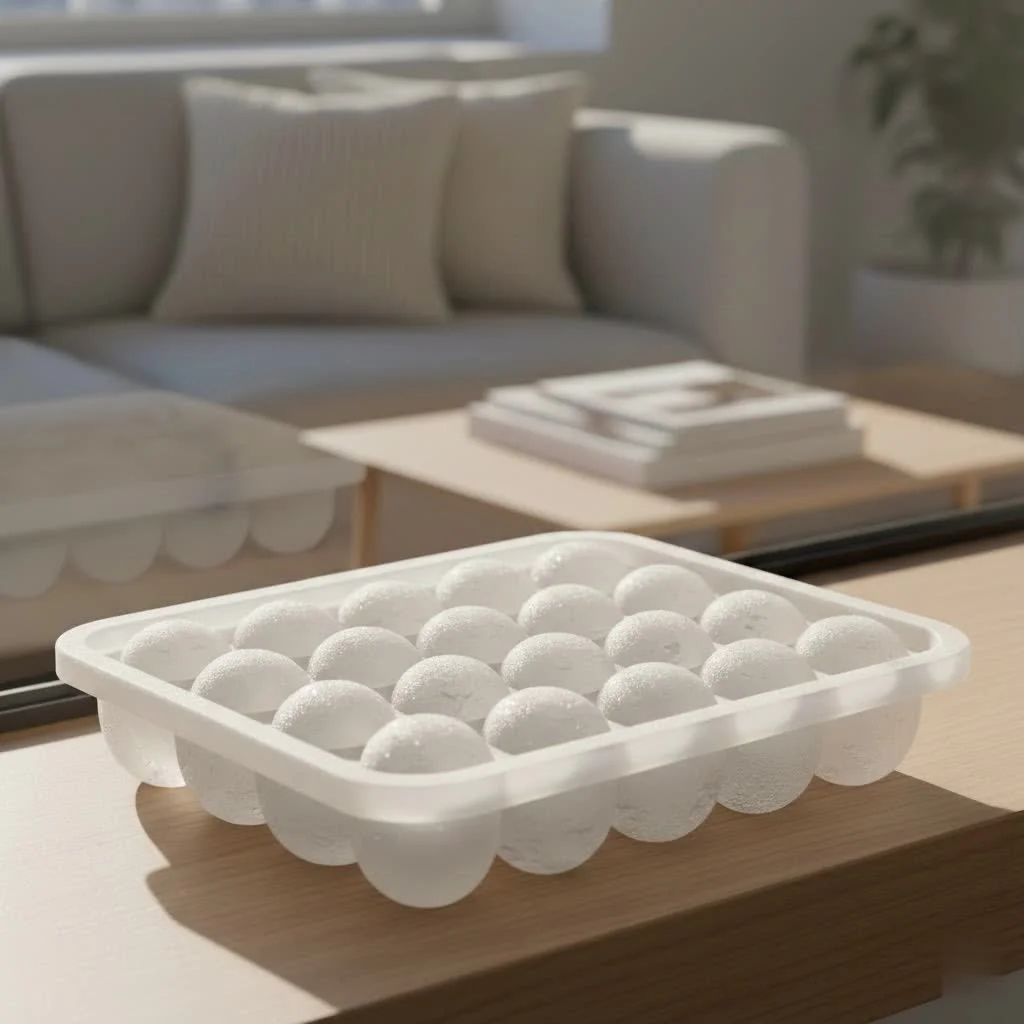
Understanding Your Samsung Refrigerator’s Ice Production
Samsung refrigerators are celebrated for their sleek designs and advanced features, including integrated ice makers that promise a continuous supply of ice. These internal units typically operate by filling a tray with water, freezing it, and then ejecting the cubes into a storage bin. Modern Samsung models often boast an array of ice types, from classic cubed ice and crushed ice to unique “Ice Bites™” and even elegant “Sphere Ice™” in select Bespoke refrigerators. This variety caters to diverse preferences, ensuring your beverages are perfectly chilled for any occasion.
However, the convenience of a built-in ice maker in Samsung refrigerators can sometimes come with a caveat. It’s a widely acknowledged issue that many Samsung ice makers are prone to common problems, such as freezing up, experiencing low ice production, or encountering dispensing difficulties. These persistent malfunctions can lead to frustration, leaving you scrambling for ice when you need it most.
When an External Ice Tray Becomes Your Best Friend
Given the occasional inconsistencies of built-in ice makers, an external ice tray can be an invaluable asset. It serves not only as a reliable backup when your Samsung refrigerator’s internal system falters but also as a versatile tool for crafting specialty ice that elevates your drinks and culinary creations. Whether your built-in ice maker is on the fritz, or you simply desire larger, slower-melting cubes for cocktails, a dedicated ice tray offers a consistent and flexible solution.
Using external trays empowers you to control the quality and shape of your ice, offering a level of customization often beyond what a standard refrigerator ice maker provides. They are particularly useful for entertaining, ensuring you always have an ample supply for guests without overtaxing your appliance.
Exploring the World of External Ice Tray Materials
|
Our Picks for the Best Ice Tray in 2026
As an Amazon Associate I earn from qualifying purchases.
|
||
| Num | Product | Action |
|---|---|---|
| 1 | Ice Cube Tray 5 Pack, Stackable Silicone Ice Cube Trays with Lid– Easy Release Reusable Ice Tray, BPA-Free Rectangular Ice Cube Mold Set for Cocktails, Coffee, Whiskey & Drinks- Black |

|
| 2 | Ice Cube Trays, Silicone Easy-Release and Flexible 14-Ice Trays with Spill-Resistant Removable Lid, BPA Free, Durable and Dishwasher Safe, 2 Pack |
|
| 3 | DOQAUS Ice Cube Tray with Lid and Bin - 4 Pack Silicone Ice Cube Trays for Freezer, Stackable Ice Bucket Kits with Storage Container & Scoop for Kitchen, RV, Cocktail, Coffee |
|
| 4 | Ice Tray Easy Release White Ice Cube Trays, 16 Cube (Pack of 2) (2867-WHT-2) |
|
| 5 | OXO Good Grips Ice Cube Tray - 2 Pack White |
|
| 6 | GORILLA GRIP BPA-Free Easy Release Ice Cube Tray for Freezer, Make Lots of Ice, 56 Cubes Total, Kit Includes 2 Stackable Leakproof Trays with Lid and Soft Handle Grips, Scooper, Bin, For Coffee, Gray |
|
| 7 | Ice Cube Trays for Freezer - 3 Pack 42 Cubes, Easy to Release Silicone Ice Trays with Spill-Resistant Lids, Reusable Ice Tray,Stackable and BPA-Free, Perfect for Cocktails, Drinks,and Ice Coffee |
|
| 8 | Extra Large Reusable Ice Cubes for Drinks(1.9” Sq.) - 6 Pack BPA-Free Plastic Ice Cube - Chills Drinks Without Diluting Suitable for Large Containers, Water Pitchers, Cold Therapy Devices |
|
| 9 | 3 Pack Ice Trays for Freezer, 99 PCS Ice Cube Tray with Lid and Bin, Round Ice Cube Mold, Circle Ice Maker for Chilling Drinks (0.8 inch, Blue) |
|
| 10 | GORILLA GRIP BPA-Free Easy Release Ice Cube Tray for Freezer, Make Lots of Ice, 56 Cubes Total, Kit Includes 2 Stackable Leakproof Trays with Lid and Soft Handle Grips, Scooper, Bin, For Coffee, Red |
|
When choosing an external ice tray for your Samsung refrigerator, the material plays a significant role in its functionality, durability, and the quality of the ice it produces. Each material offers distinct advantages and disadvantages that cater to different needs and preferences.
- Silicone Ice Trays: These are a favorite for their remarkable flexibility, which makes ice release incredibly simple. A gentle twist or push from the bottom is usually all it takes to free the cubes. Silicone is also food-safe and generally durable, but its flexibility can be a downside; a full silicone tray might spill if not carefully carried to the freezer. Some lower-quality silicone can also absorb odors if not cleaned thoroughly and regularly.
- Plastic Ice Trays: The most traditional and often the most affordable option, plastic trays are readily available. They are typically sturdy, preventing spills during transport to the freezer. However, plastic can become brittle over time, leading to cracks, and ice cubes can be notoriously difficult to release, often requiring forceful twisting or a run under warm water. They are also more prone to absorbing freezer odors or staining from colored liquids if not promptly cleaned. Look for BPA-free plastic to ensure food safety.
- Stainless Steel Ice Trays: For those prioritizing durability, elegance, and environmental consciousness, stainless steel trays are an excellent choice. They are exceptionally long-lasting, don’t absorb odors, and offer a premium aesthetic. The main drawback can be the price point, which is usually higher than plastic or silicone. Ice release can also be a bit challenging, sometimes requiring a lever mechanism or a brief warming to loosen the cubes.
- Lidded and Stackable Ice Trays: Many modern ice trays, regardless of material, come with lids. A lid is a game-changer, preventing water spills during transfer to the freezer and, crucially, protecting your ice from absorbing unwanted freezer odors. Stackable designs are also incredibly useful for maximizing freezer space, a valuable feature for any Samsung refrigerator owner trying to maintain an organized freezer compartment.
- Novelty and Specialty Ice Trays: Beyond the standard cube, the market offers a fantastic array of specialty trays. These include molds for large spheres, long ice sticks perfect for water bottles, or even whimsical shapes. While they often produce stunning results for cocktails or special drinks, they can sometimes be slower to freeze and might require more finesse to unmold compared to traditional cubes.
How to Choose the Right External Ice Tray for Your Samsung Refrigerator
Selecting the perfect ice tray for your Samsung refrigerator involves considering your specific needs, freezer space, and desired ice type. Here’s a detailed guide to help you make an informed decision:
-
Assess Your Ice Needs and Freezer Space:
- Quantity: How much ice do you typically need? If you use a lot for daily drinks or entertaining, consider multiple trays or those with larger capacities.
- Ice Size & Shape: Do you prefer standard cubes, larger slow-melting cubes for whiskey, long sticks for narrow bottles, or small “Ice Bites”-like pellets? Match the tray design to your preference.
- Freezer Layout: Measure your available freezer space. Stackable trays with lids are ideal for maximizing vertical storage in any Samsung freezer, especially if you have a bottom-freezer or French door model.
-
Prioritize Material Safety and Quality:
- Food-Grade Certification: Always opt for ice trays made from food-grade, BPA-free silicone or plastic. This ensures no harmful chemicals leach into your ice.
- Durability: Choose trays that feel sturdy and well-constructed. Thicker silicone or robust plastic will withstand freezing and twisting better over time.
- Odor Resistance: Silicone and plastic can absorb odors. Lids significantly help, but stainless steel offers superior odor resistance.
-
Evaluate Ease of Use and Ice Release:
- Flexible Bottoms: Silicone trays or plastic trays with flexible silicone bottoms are excellent for easy ice release. A simple push or twist should pop the cubes out effortlessly.
- Handle Design: Some trays feature handles or integrated designs that make them easier to grip and maneuver, especially when full.
- Lid Functionality: A well-fitting lid is essential for preventing spills during transfer and safeguarding ice from freezer odors.
-
Consider Cleaning and Maintenance:
- Dishwasher Safe: Many silicone and plastic trays are dishwasher safe, simplifying cleanup. Always check the manufacturer’s instructions.
- Simple Design: Trays with fewer intricate parts are generally easier to hand wash, preventing residue buildup and ensuring hygienic ice.
-
Read User Reviews:
- Real-World Experience: Online reviews from other users can provide invaluable insights into a tray’s actual performance, durability, and ease of use. Look for comments specifically mentioning compatibility with different freezer types or experiences that align with your needs.
Replacing the Internal Ice Tray in Your Samsung Refrigerator
While external trays offer flexibility, sometimes the issue lies with the specific ice tray component within your Samsung refrigerator’s automatic ice maker. This is where the term “ice tray for Samsung refrigerator” often refers to a replacement part for the existing built-in unit.
It’s important to understand that the “ice tray” here is typically an integral part of the larger ice maker assembly. If your automatic ice maker is malfunctioning due to a cracked tray, a broken ejector arm, or persistent freezing within the mold itself, you might need a specific replacement.
For these situations, you must procure an OEM (Original Equipment Manufacturer) or certified compatible replacement part that matches your exact Samsung refrigerator model. Attempting to use a generic or incorrect part can lead to further damage or inadequate ice production. Replacement often involves disassembling a portion of the freezer interior, disconnecting wiring, and carefully installing the new tray or entire ice maker assembly. It can be a moderately complex DIY task requiring specific tools and a clear understanding of your appliance’s manual. If you’re unsure, consulting a qualified appliance technician is always recommended to ensure proper installation and avoid voiding warranties.
Essential Tips for Optimal Ice Production
Whether you rely on your Samsung refrigerator’s built-in ice maker or a collection of external trays, a few best practices can significantly enhance your ice production and quality.
- Maintain Optimal Freezer Temperature: For efficient ice production from both internal and external trays, ensure your freezer is consistently set at or around 0°F (-18°C). Temperatures that are too warm will slow down freezing, while excessively cold temperatures can sometimes contribute to built-in ice maker freeze-ups.
- Ensure Adequate Water Supply and Filter Health: For built-in ice makers, a steady and clean water supply is paramount. Regularly check that the water line isn’t kinked and the water valve is fully open. Crucially, replace your Samsung refrigerator’s water filter every six months as recommended. A clogged filter restricts water flow, leading to diminished ice production and potentially cloudy ice cubes.
- Avoid Overfilling: When using external ice trays, don’t overfill the compartments. Leave a small amount of space for water expansion as it freezes, preventing distorted cubes and difficulties in stacking or removing ice. Similarly, avoid overpacking your freezer, as this can impede air circulation and affect the performance of your built-in ice maker.
- Practice Regular Cleaning: Both internal and external ice trays can accumulate mineral deposits or absorb odors over time. Clean external trays regularly with warm, soapy water. For built-in ice makers, periodic defrosting and cleaning of the ice bin can prevent ice clumps and maintain hygiene.
- Proper Ice Removal for Manual Trays: If using flexible silicone trays, a gentle twist or push from the bottom is usually sufficient. For rigid plastic or stainless steel trays, running the bottom briefly under warm water can loosen the ice, making removal much easier without damaging the tray.
Top External Ice Trays to Consider
Based on extensive testing and user feedback, here are a few types of external ice trays that consistently deliver excellent results and can perfectly complement your Samsung refrigerator:
- Silicone Trays with Steel Frames: These combine the best of both worlds – the easy release of silicone with the sturdy, spill-proof transport of a rigid frame. Many models also include tight-fitting lids for odor protection. They are excellent for everyday cubes and can often be stacked efficiently.
- Large Cube Silicone Molds: For those who appreciate a slower-melting cube that minimizes dilution, large silicone molds (e.g., 2-inch cubes or spheres) are ideal. They are particularly popular for whiskey, cocktails, and iced coffee, adding a touch of sophistication to your drinks.
- Lidded Plastic Trays with Easy Release: Some well-designed plastic trays now incorporate a flexible bottom or unique release mechanism that makes unmolding much easier than traditional plastic. When coupled with a secure lid, these offer an affordable, practical solution for consistent ice production.
- Ice Stick Trays: If you frequently use water bottles or travel mugs with narrow openings, ice stick trays are a must-have. These silicone molds produce slender ice columns that fit perfectly, keeping your drinks cold without creating a watery mess.
Conclusion: Your Path to Perfect Ice
The journey to consistently perfect ice with your Samsung refrigerator can involve navigating the nuances of its built-in ice maker or embracing the versatility of external ice trays. By understanding the common challenges associated with integrated units and recognizing the unique benefits each type of external tray offers, you’re empowered to make choices that truly enhance your daily routines and entertaining needs. Whether you opt for a robust silicone tray that makes ice release effortless, a stylish stainless steel option, or a precise OEM replacement part for your Samsung’s internal system, the goal remains the same: a reliable, high-quality ice supply.
Don’t let ice scarcity or malfunctioning equipment dampen your spirits. With the right knowledge and tools, you can ensure every sip is refreshingly cool. What ice tray innovations have you discovered that perfectly complement your Samsung refrigerator experience?
Frequently Asked Questions
Why is my Samsung refrigerator ice maker not working consistently?
Many Samsung refrigerator owners report issues with their built-in ice makers, often experiencing problems like the unit freezing over, producing insufficient ice, or failing to dispense. Common culprits include clogged water filters, incorrect freezer temperatures (ideally 0°F or -18°C), or internal components freezing due to design flaws or infrequent use. Regular maintenance and ensuring optimal settings can help, but sometimes a replacement part or external solution is necessary.
Can I use any standard ice tray in my Samsung freezer?
Absolutely! Most standard ice trays made from silicone, plastic, or stainless steel can be used in your Samsung freezer, provided they fit comfortably within your freezer’s dimensions and don’t obstruct air circulation. External ice trays offer a great way to supplement your refrigerator’s ice production or create specialty ice shapes that your built-in ice maker might not offer.
How often should I clean my external ice trays?
For optimal hygiene and to prevent odor absorption, it’s best to clean your external ice trays at least once a week if they are in regular use. Use warm, soapy water and allow them to air dry completely. For plastic trays, prompt cleaning after each use helps prevent staining and odor buildup from any residual liquids.
What are “Ice Bites™” and “Sphere Ice™” offered by Samsung refrigerators?
“Ice Bites™” are smaller, chewable ice pellets designed to chill drinks quickly and fit easily into various glass sizes. “Sphere Ice™” creates elegant, slow-melting round ice balls, typically 2 inches in diameter, perfect for premium beverages like whiskey or cocktails, as they dilute drinks more slowly than traditional cubes. Both offer unique chilling experiences beyond standard ice cubes.
Get our weekly buyer guide
Practical specs, not advice. Unsubscribe anytime.

I never thought much about ice trays until my Samsung’s ice maker completely died. This guide was a lifesaver! I appreciated the tips on making clear ice and the suggestion for covered trays to prevent freezer burn. My drinks taste so much better now, and I’m actually enjoying making ice again.
The info on different materials was helpful, especially about the plastic ones. I bought a set of those hard plastic trays mentioned, thinking they’d be durable. They do make good cubes, but they’re a bit stiff to twist, and sometimes I feel like I’m going to crack them. Next time I’ll probably go for something more flexible.
I’ve been struggling with my Samsung’s built-in ice maker for ages, always getting those weird half-moon shapes. This guide really helped me understand why and what to look for in a replacement. I ended up getting a silicone tray that was recommended for smaller freezer spaces, and it’s been a game changer. No more weird ice, and it’s so much easier to get the cubes out.