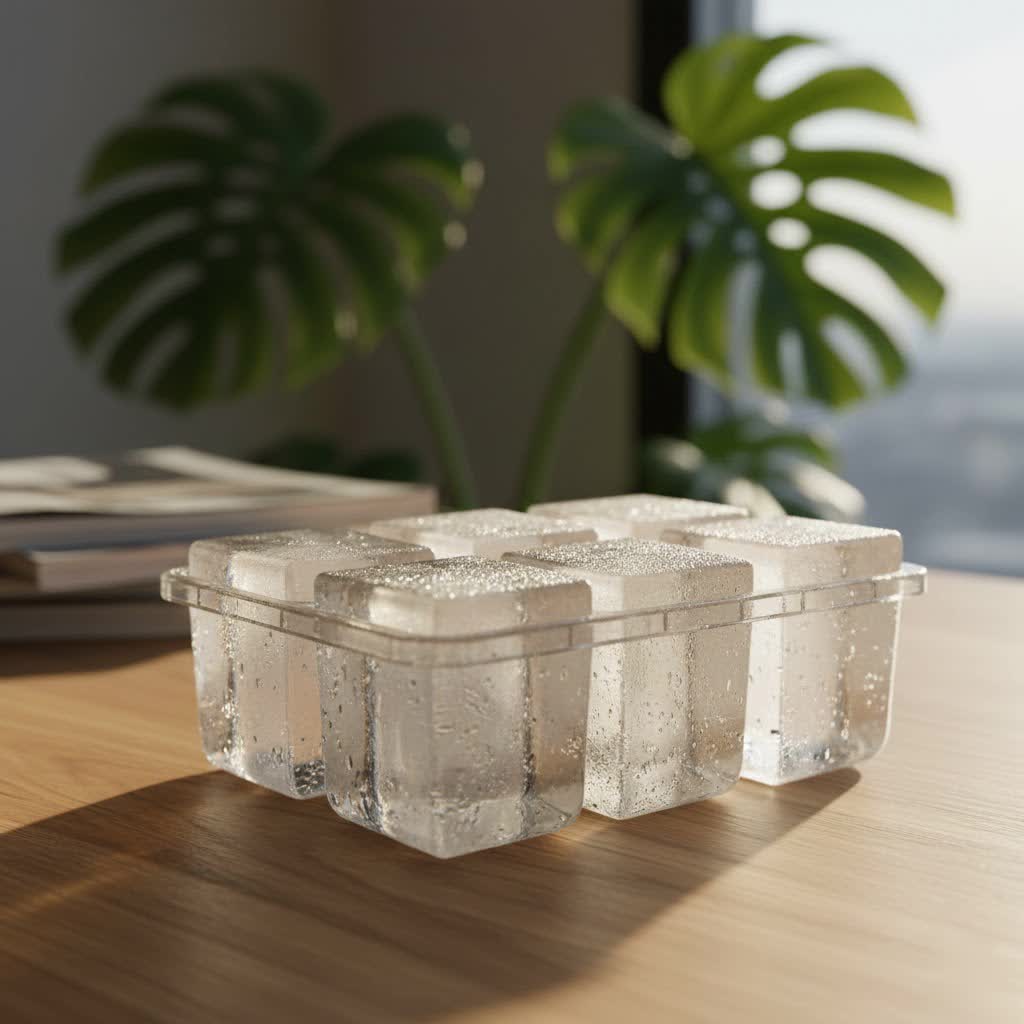
In every home kitchen, ice is more than just frozen water; it’s an essential element that elevates beverages, preserves food, and cools us down on hot days. While countless options exist for crafting ice, the humble plastic ice tray remains a ubiquitous and often underestimated tool. From classic cocktails to refreshing daily hydration, understanding the nuances of plastic ice trays can transform your everyday ice-making experience. This comprehensive guide will navigate the world of plastic ice trays, delving into their enduring appeal, potential drawbacks, various types, and crucial tips for selection and maintenance, ensuring you choose the perfect tray for your needs.
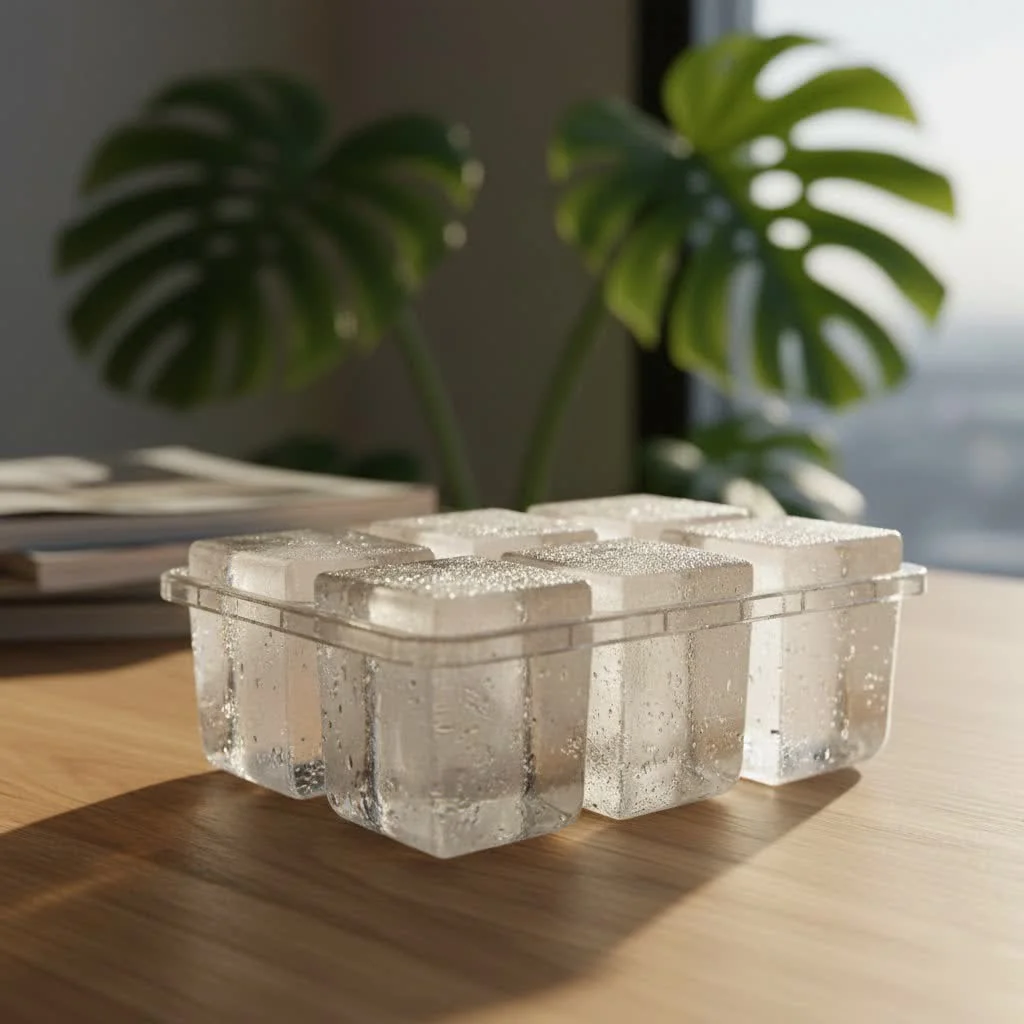
The Enduring Appeal of Plastic Ice Trays
Plastic ice trays have been a freezer staple for decades, and for good reason. Their widespread use isn’t just a matter of tradition; it’s rooted in a combination of practicality and accessibility that continues to make them a popular choice.
Affordability and Accessibility
One of the most significant advantages of plastic ice trays is their cost-effectiveness. They are generally much more affordable than their silicone or stainless steel counterparts, making them an easy purchase for any household budget. This low price point also means they are readily available in almost any grocery or home goods store, ensuring you can quickly replace them when needed.
Durability and Stability
When filled with water, traditional hard plastic ice trays offer a rigidity that prevents wobbling and spills during the crucial journey from sink to freezer. This inherent stability is a major plus, especially for those who have experienced the frustrating slosh of water from more flexible trays. While plastic trays can crack over time, their sturdy construction provides a robust framework that stands up to regular use, making them a reliable choice for daily ice production.
Variety in Shapes and Sizes
The manufacturing versatility of plastic allows for an incredible array of designs. Beyond the standard square or rectangular cubes, plastic trays come in various shapes and sizes, from small nugget-like ice ideal for iced coffee to larger cubes for whiskey or intricate novelty shapes for special occasions. This diversity allows you to customize your ice to suit any drink or purpose, adding a touch of personal flair to your beverages.
Understanding the Downsides: Challenges with Plastic Ice Trays
Despite their undeniable advantages, plastic ice trays come with their own set of challenges that users frequently encounter. Awareness of these issues can help you make a more informed choice and implement strategies to mitigate common frustrations.
Ice Release Woes
Perhaps the most common complaint associated with plastic ice trays is the difficulty in releasing ice cubes. Many traditional plastic trays require significant twisting and forceful maneuvers, which can result in cracked or splintered ice cubes. This can also lead to premature wear and tear on the tray itself, often culminating in stress fractures or outright breakage over time.
Odor Absorption and Taste Transfer
Plastic is a porous material, making it susceptible to absorbing odors from the freezer environment. If not stored properly or regularly cleaned, your plastic ice trays can pick up smells from pungent foods, transferring those unpleasant aromas directly to your fresh ice. This can result in “off-tasting” ice that detracts from the flavor of your drinks, a common frustration for many users.
Durability and Longevity Concerns
Compared to more flexible silicone or robust stainless steel, plastic ice trays are generally less durable. The repeated cycles of freezing, twisting, and impact can cause them to become brittle, leading to cracks, chips, and ultimately, a shorter lifespan. Many users report that plastic trays tend to yellow or become discolored over time, further indicating wear and tear.
Environmental Impact
In an era of increasing environmental consciousness, the sustainability of plastic products is a significant consideration. Most conventional plastic ice trays contribute to plastic waste, as they are not always easily recyclable and often end up in landfills once they break. Their relatively shorter lifespan compared to more durable alternatives means more frequent replacements, adding to the environmental burden.
Health Considerations: The BPA Factor
A crucial concern with plastic products, including ice trays, is the potential presence of Bisphenol A (BPA). BPA is a chemical used in some plastics that has raised health concerns regarding its potential to leach into food and beverages, especially when exposed to extreme temperatures. It is imperative to always look for plastic ice trays explicitly labeled “BPA-free” to ensure the safety of your ice and, by extension, your health.
Types of Plastic Ice Trays
|
Our Picks for the Best Ice Tray in 2026
As an Amazon Associate I earn from qualifying purchases.
|
||
| Num | Product | Action |
|---|---|---|
| 1 | Ice Cube Tray 5 Pack, Stackable Silicone Ice Cube Trays with Lid– Easy Release Reusable Ice Tray, BPA-Free Rectangular Ice Cube Mold Set for Cocktails, Coffee, Whiskey & Drinks- Black |

|
| 2 | GORILLA GRIP BPA-Free Easy Release Ice Cube Tray for Freezer, Make Lots of Ice, 56 Cubes Total, Kit Includes 2 Stackable Leakproof Trays with Lid and Soft Handle Grips, Scooper, Bin, For Coffee, Red |
|
| 3 | DOQAUS Ice Cube Tray with Lid and Bin - 4 Pack Silicone Ice Cube Trays for Freezer, Stackable Ice Bucket Kits with Storage Container & Scoop for Kitchen, RV, Cocktail, Coffee |
|
| 4 | 3 Pack Ice Trays for Freezer, 99 PCS Ice Cube Tray with Lid and Bin, Round Ice Cube Mold, Circle Ice Maker for Chilling Drinks (0.8 inch, Blue) |
|
| 5 | OXO Good Grips Ice Cube Tray - 2 Pack White |
|
| 6 | GORILLA GRIP BPA-Free Easy Release Ice Cube Tray for Freezer, Make Lots of Ice, 56 Cubes Total, Kit Includes 2 Stackable Leakproof Trays with Lid and Soft Handle Grips, Scooper, Bin, For Coffee, Gray |
|
| 7 | Ice Cube Trays, Silicone Easy-Release and Flexible 14-Ice Trays with Spill-Resistant Removable Lid, BPA Free, Durable and Dishwasher Safe, 2 Pack |
|
| 8 | Ice Tray Easy Release White Ice Cube Trays, 16 Cube (Pack of 2) (2867-WHT-2) |
|
| 9 | Extra Large Reusable Ice Cubes for Drinks(1.9” Sq.) - 6 Pack BPA-Free Plastic Ice Cube - Chills Drinks Without Diluting Suitable for Large Containers, Water Pitchers, Cold Therapy Devices |
|
| 10 | Ice Cube Trays for Freezer - 3 Pack 42 Cubes, Easy to Release Silicone Ice Trays with Spill-Resistant Lids, Reusable Ice Tray,Stackable and BPA-Free, Perfect for Cocktails, Drinks,and Ice Coffee |
|
The world of plastic ice trays isn’t monolithic; various designs cater to different preferences and needs. Understanding these types can help you pinpoint which one might best serve your kitchen.
- Traditional Hard Plastic Trays (PP, HDPE): These are the classic, rigid trays found in most households. Made from polypropylene (PP) or high-density polyethylene (HDPE), they are sturdy when filled and inexpensive. Their main drawback is often the stubborn release of ice and a propensity to crack under stress.
- Semi-Flexible Plastic Trays: Some plastic trays incorporate slightly more flexible polymers, offering a marginal improvement in ice release compared to their fully rigid counterparts. While still more prone to odor absorption and cracking than silicone, they represent a step up in user convenience for those committed to plastic.
- Plastic Trays with Lids: A popular innovation, these trays feature a snug-fitting plastic or silicone lid. The lid serves multiple functions: preventing spills during transport, protecting ice from freezer odors and contamination, and allowing for stable stacking in a crowded freezer. They offer enhanced hygiene and organization, though the lid mechanism can sometimes be a weak point.
- Novelty/Shaped Plastic Ice Trays: Designed for fun and aesthetics, these trays create ice in various shapes like spheres, stars, or even animal figures. While they add a unique touch to drinks, the intricate molds can sometimes make ice release more challenging, and their primary focus is often on appearance rather than sheer functionality.
Choosing Your Ideal Plastic Ice Tray: A Buyer’s Guide
Selecting the right plastic ice tray involves more than just grabbing the first one you see. By considering a few key factors, you can find a tray that aligns with your needs and minimizes common frustrations.
- Safety First: Look for “BPA-Free.” This is paramount. Always ensure the plastic ice tray is clearly labeled as “BPA-free.” This certification indicates that the plastic does not contain harmful chemicals that could potentially leach into your ice, offering peace of mind regarding health and safety.
- Evaluate Ice Release Mechanisms. While plastic trays inherently present challenges in ice release, some designs are better than others. Look for trays with a slightly more flexible plastic, or those with individual cube designs that promise easier twisting or pushing. Ribbed designs or those with a slight taper to the cube compartments can also aid in release.
- Prioritize Durability and Sturdiness. Inspect the plastic’s thickness and feel. Thicker, more robust plastic will withstand repeated freezing and twisting better than flimsy alternatives. Look for trays with reinforced edges or integrated handles, which can enhance overall durability and make carrying a full tray simpler.
- Consider Lids and Stackability. If freezer space is a premium or you want to protect your ice from odors and spills, a plastic tray with a well-fitting lid is an excellent choice. Lids also allow for neat stacking, optimizing your freezer’s organization and capacity.
- Assess Ease of Cleaning. Opt for plastic ice trays that are dishwasher safe for hassle-free maintenance. If handwashing, choose designs with smooth surfaces and minimal crevices where residue could accumulate, ensuring thorough cleaning and preventing odor buildup.
Expert Tips for Using and Maintaining Plastic Ice Trays
Even the best plastic ice tray benefits from proper care. Follow these expert tips to maximize their performance, ensure longevity, and keep your ice tasting fresh.
- Pre-use Cleaning: Always wash new plastic ice trays thoroughly with warm, soapy water before their first use to remove any manufacturing residues.
- Optimal Filling: Avoid overfilling your ice trays. Filling them just below the rim prevents cubes from fusing together, making release easier and reducing spills.
- Easy Ice Release Techniques: Instead of aggressive twisting, try a gentle twist motion. For stubborn cubes, run the bottom of the tray under warm water for a few seconds. This slight thaw often helps the ice release cleanly without damaging the tray or the cubes.
- Regular Cleaning and Odor Prevention: Wash your plastic ice trays regularly. If odors persist, soak the tray in a solution of one part white vinegar to four parts warm water for a few hours, then rinse thoroughly. Placing an open box of baking soda in your freezer can also help absorb ambient odors, preventing them from permeating your ice.
- Proper Storage: Once empty and dry, store your plastic ice trays in a clean area of your freezer or cupboard. If you have trays with lids, keep the lids on to prevent dust or freezer debris from settling inside.
Top Features of Highly-Rated Plastic Ice Trays
While specific brands may vary, the most highly-rated plastic ice trays typically share several key characteristics that elevate them above the rest. These include being explicitly labeled BPA-free, ensuring the plastic is safe for food contact. They often feature an improved ice release design, such as slightly more flexible plastic or individual cube compartments that minimize twisting effort and prevent breakage. A sturdy build that resists cracking and warping is paramount, often complemented by integrated handles for easy transport. Furthermore, many preferred plastic trays come with well-fitting lids that not only prevent spills but also protect ice from absorbing unwanted freezer odors, ensuring consistently fresh-tasting cubes.
Conclusion
Plastic ice trays, with their affordability and versatile designs, remain a cornerstone in countless kitchens for good reason. While they present unique challenges, particularly concerning ice release and odor absorption, understanding these aspects allows you to make an informed choice. By prioritizing BPA-free materials, considering design features that aid in ice removal, and committing to simple maintenance routines, you can transform a basic kitchen tool into a reliable source of refreshing, uncontaminated ice. Choosing the right plastic ice tray means balancing budget, functionality, and safety, ultimately enhancing your daily hydration and culinary experiences. What are your favorite tips for keeping your plastic ice trays in top condition?
Frequently Asked Questions
Are all plastic ice trays BPA-free?
No, not all plastic ice trays are BPA-free. It is crucial to check the product label for explicit “BPA-free” certification, as older or lower-quality plastics may still contain Bisphenol A.
Why do my plastic ice cubes taste bad?
Bad-tasting ice cubes from plastic trays are typically due to the plastic absorbing odors from other foods in your freezer. Plastic is porous and can easily pick up smells, which then transfer to the ice.
How often should I clean my plastic ice trays?
It is recommended to clean your plastic ice trays regularly, ideally after every few uses or whenever you notice any residue or smell. A thorough cleaning helps prevent odor buildup and ensures fresh-tasting ice.
Can I put plastic ice trays in the dishwasher?
Many modern plastic ice trays are designed to be dishwasher safe, usually on the top rack. However, always check the manufacturer’s instructions on the product packaging to confirm, as high heat can warp some plastics.
How can I make ice release easier from plastic trays?
To make ice release easier from plastic trays, try twisting the tray gently. If cubes are stubborn, run the bottom of the tray under warm water for a few seconds before twisting. This slight warmth helps loosen the ice from the plastic.
Get our weekly buyer guide
Practical specs, not advice. Unsubscribe anytime.
