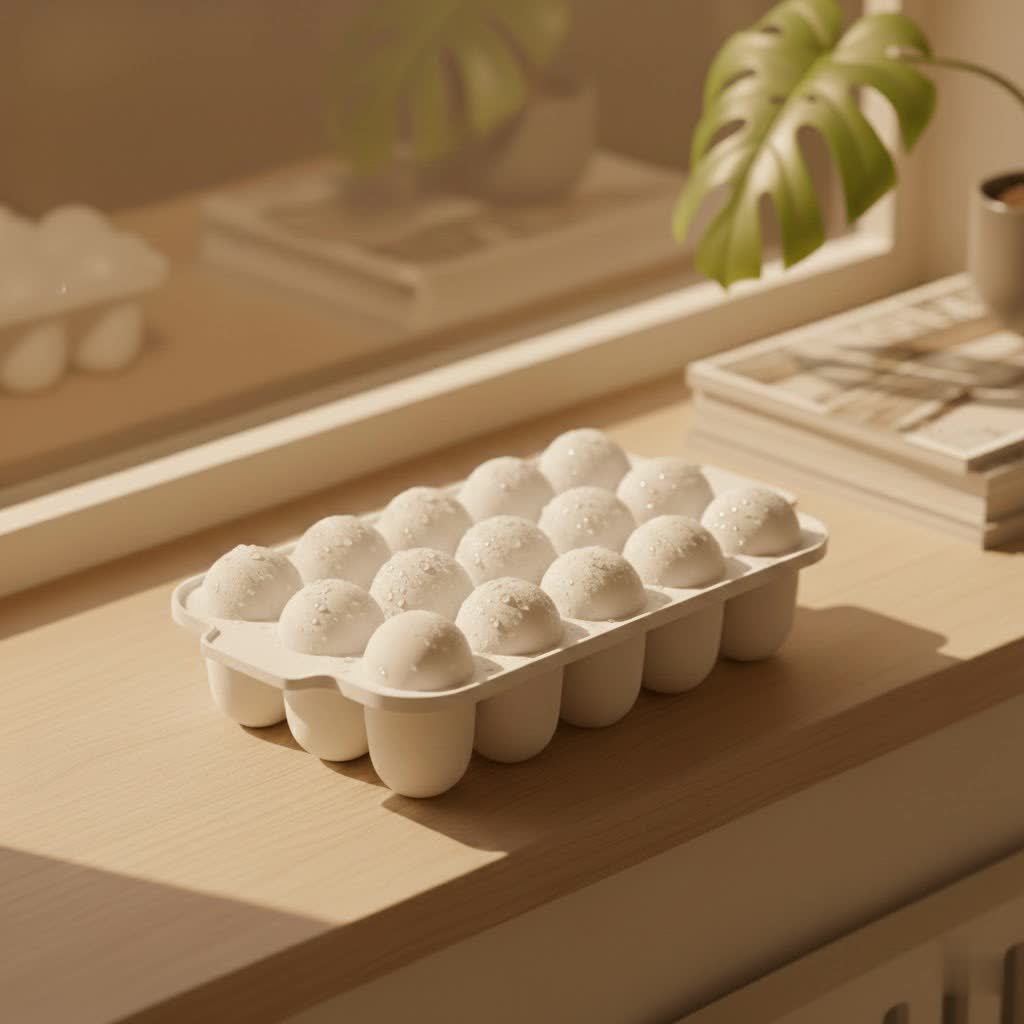
The humble ice cube tray is a kitchen staple, quietly working behind the scenes to keep our drinks cool and our summer days refreshing. Yet, choosing the right one can be surprisingly complex, with countless options promising convenience and durability. Among these, IKEA’s ice cube trays, particularly the popular SPJUTROCKA model, often catch the eye with their distinctive design and affordable price point. But do these stylish trays live up to their promises in everyday use? As an experienced technician in home appliances, I’ve delved deep into their features and user feedback to bring you an unbiased review, helping you decide if an IKEA ice cube tray is the perfect fit for your chilling needs.
Understanding IKEA Ice Cube Trays
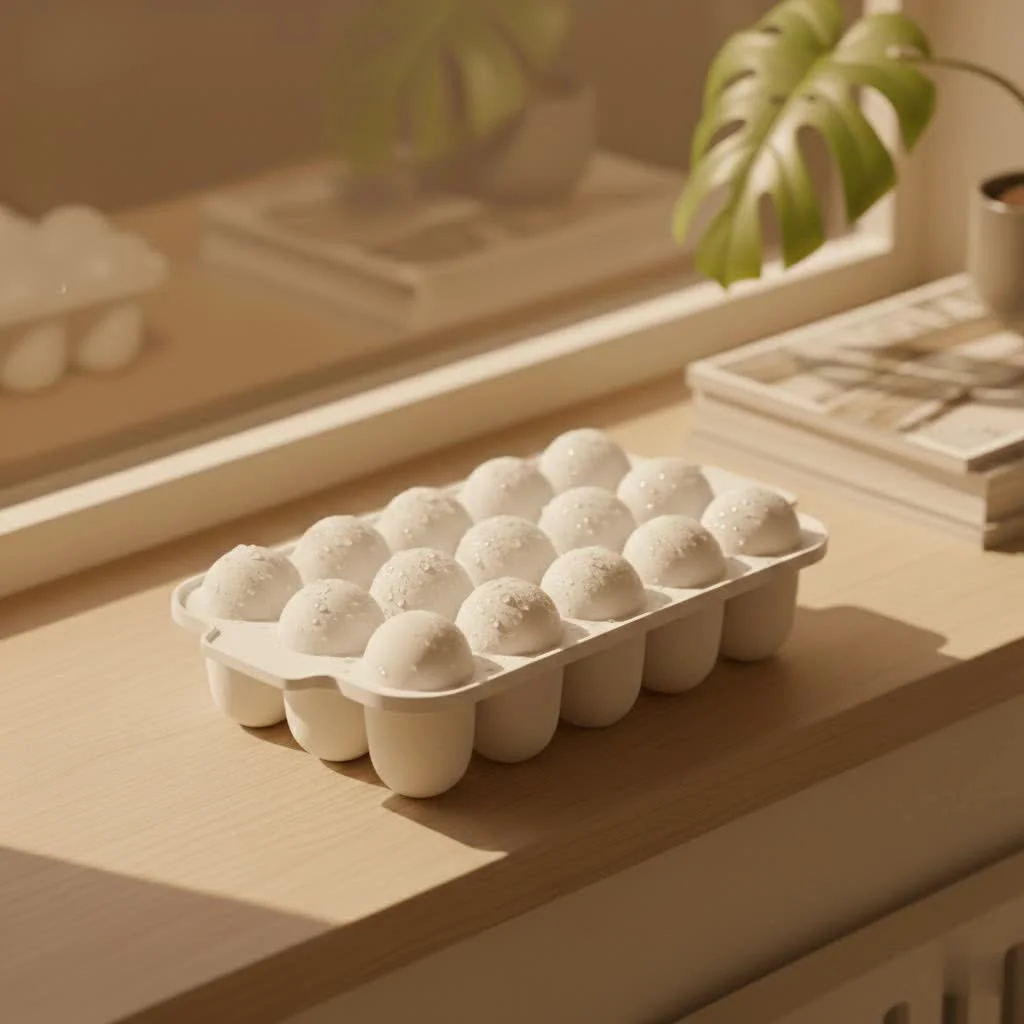
IKEA’s approach to home essentials often blends minimalist design with functional aspirations. Their prominent offering in the ice tray category, the SPJUTROCKA, exemplifies this philosophy. These trays are typically made from a combination of materials, often polypropylene for the main structure and a synthetic rubber for the flexible bottom. This hybrid design is intended to offer the best of both worlds: a sturdy frame and an easy-release mechanism.
The SPJUTROCKA trays usually come in sets of two, featuring a practical rectangular shape and often available in appealing mixed colors like green and cream. A key design element is the integrated lid, which is marketed as a solution to common ice tray woes. This lid aims to prevent spills when transporting the filled tray from the tap to the freezer and to shield the ice from absorbing unwanted odors from other freezer contents. The flexible base is engineered to allow for simple individual cube ejection, bypassing the struggle of twisting and cracking traditional rigid plastic trays. Furthermore, their design is made for efficiency, allowing the trays to be stacked neatly in the freezer, a significant space-saving benefit for many kitchens. Beyond just water, these versatile trays are also suitable for freezing various liquids such as tea, lemon juice, or even tomato purées, catering to a range of culinary applications. Measuring approximately 254mm in length and 98mm in width, they offer 14 individual ice cube compartments. They are also freezer-safe and designed for easy cleaning, including being dishwasher-friendly.
Pros and Cons: A Balanced View
When evaluating any kitchen product, a balanced perspective is crucial. IKEA ice cube trays, while offering several appealing aspects, also come with their share of user-reported drawbacks.
Advantages of IKEA Ice Trays
- Aesthetic Appeal: True to IKEA’s brand, the SPJUTROCKA trays boast a modern, clean design with appealing mixed color combinations that can add a subtle touch of style to your freezer.
- Stackability for Space-Saving: The inclusion of a lid, regardless of its sealing ability, enables these trays to be stacked efficiently, maximizing valuable freezer real estate. This is a significant plus for smaller freezers or those who like to keep things organized.
- Multi-Purpose Versatility: Beyond just making ice for drinks, their material composition makes them suitable for freezing a variety of liquids. Many users appreciate the option to freeze herbs in oil, baby food portions, or even coffee for iced beverages.
- Ease of Cleaning: Made from polypropylene and synthetic rubber, these trays are generally straightforward to clean by hand and are also dishwasher-safe, ensuring good hygiene.
- Material Safety: While not always explicitly stated on the packaging, IKEA products designed for food contact are generally expected to meet food-safe standards, meaning they are often BPA-free.
Disadvantages and Common User Complaints
Despite their thoughtful design intentions, user experiences with IKEA ice trays frequently highlight specific functional challenges:
- Lid Functionality Issues: One of the most common complaints revolves around the lid. Many users report that the lid does not securely snap onto the tray but rather rests loosely on top. This can negate its primary purpose of preventing spills during transport and may not fully protect ice cubes from freezer odors or freezer burn.
- Difficulty in Ice Release: Counterintuitively, the flexible synthetic rubber bottom, intended for easy ice cube release, is often cited as problematic. Numerous users find that the ice cubes remain stubbornly stuck, requiring considerable force to push them out individually. This often necessitates running the tray under warm water or letting it sit out, which can lead to partially melted, wet, and clumpy ice cubes.
- Inconsistent Quality: Some consumers have noted an inconsistency in product performance, with one tray from a set working adequately while another identical tray proves difficult to use, particularly concerning ice release.
- Durability Concerns (Long-term): While generally sturdy, the flexible bottom might become less effective over extended use, or the plastic components could show wear, impacting ease of use.
> “While the concept of a lidded, easy-release ice tray from IKEA is appealing, real-world usage often reveals a gap between design intention and actual performance, particularly with the lid’s security and the ease of ice removal.”
How IKEA Ice Trays Compare to Other Types
|
Our Picks for the Best Ice Tray in 2026
As an Amazon Associate I earn from qualifying purchases.
|
||
| Num | Product | Action |
|---|---|---|
| 1 | DOQAUS Ice Cube Tray with Lid and Bin - 4 Pack Silicone Ice Cube Trays for Freezer, Stackable Ice Bucket Kits with Storage Container & Scoop for Kitchen, RV, Cocktail, Coffee |

|
| 2 | GORILLA GRIP BPA-Free Easy Release Ice Cube Tray for Freezer, Make Lots of Ice, 56 Cubes Total, Kit Includes 2 Stackable Leakproof Trays with Lid and Soft Handle Grips, Scooper, Bin, For Coffee, Gray |
|
| 3 | Ice Tray Easy Release White Ice Cube Trays, 16 Cube (Pack of 2) (2867-WHT-2) |
|
| 4 | Ice Cube Tray 5 Pack, Stackable Silicone Ice Cube Trays with Lid– Easy Release Reusable Ice Tray, BPA-Free Rectangular Ice Cube Mold Set for Cocktails, Coffee, Whiskey & Drinks- Black |
|
| 5 | OXO Good Grips Ice Cube Tray - 2 Pack White |
|
| 6 | GORILLA GRIP BPA-Free Easy Release Ice Cube Tray for Freezer, Make Lots of Ice, 56 Cubes Total, Kit Includes 2 Stackable Leakproof Trays with Lid and Soft Handle Grips, Scooper, Bin, For Coffee, Red |
|
| 7 | Extra Large Reusable Ice Cubes for Drinks(1.9” Sq.) - 6 Pack BPA-Free Plastic Ice Cube - Chills Drinks Without Diluting Suitable for Large Containers, Water Pitchers, Cold Therapy Devices |
|
| 8 | Ice Cube Trays, Silicone Easy-Release and Flexible 14-Ice Trays with Spill-Resistant Removable Lid, BPA Free, Durable and Dishwasher Safe, 2 Pack |
|
| 9 | 3 Pack Ice Trays for Freezer, 99 PCS Ice Cube Tray with Lid and Bin, Round Ice Cube Mold, Circle Ice Maker for Chilling Drinks (0.8 inch, Blue) |
|
| 10 | Ice Cube Trays for Freezer - 3 Pack 42 Cubes, Easy to Release Silicone Ice Trays with Spill-Resistant Lids, Reusable Ice Tray,Stackable and BPA-Free, Perfect for Cocktails, Drinks,and Ice Coffee |
|
Understanding where IKEA’s hybrid ice trays stand in the broader market requires a brief comparison with other common types:
- Traditional Hard Plastic Trays: These are typically the most affordable. They are rigid and require twisting or forceful bending to release ice, often resulting in cracked cubes or ice shards flying everywhere. IKEA’s tray aims to overcome these issues with its flexible bottom.
- Full Silicone Trays: Praised for their extremely easy ice release due to their complete flexibility, silicone trays are a favorite for many. However, they are often floppy when full, making them prone to spills unless they have a reinforced rim or a sturdy base. Many silicone trays also lack lids, leaving ice vulnerable to odors. IKEA’s hybrid design attempts to combine the easy release of silicone with the stability of a plastic frame and the benefit of a lid.
- Stainless Steel Trays: Known for their durability, hygiene, and quick freezing properties, stainless steel trays are a premium option. They are non-toxic and don’t absorb odors. However, they tend to be the most expensive, and ice release usually involves a lever mechanism that can sometimes be stiff or less effective than flexible trays.
IKEA’s SPJUTROCKA positions itself as a middle-ground solution, trying to offer the best attributes of several types—stability, lid, and easy release—at a budget-friendly price. However, as noted, the execution of the lid and release mechanism often falls short compared to dedicated silicone trays for release or truly sealed containers for spill prevention.
Tips for Using and Maintaining Your IKEA Ice Tray (and Troubleshooting)
To get the most out of your IKEA ice cube tray, or to troubleshoot common issues, consider these practical tips:
- Optimal Filling: Avoid overfilling the compartments. Leave a small amount of space at the top of each cube to allow for water expansion during freezing. Overfilling can make ice difficult to remove and exacerbate lid problems.
- Careful Placement: If your lid doesn’t fit securely, carry the tray carefully and place it on a flat, stable surface in the freezer to prevent spills. If stacking, ensure the top tray is empty or has its own stable base.
- Ice Release Techniques:
- Gentle Twist: While the bottom is flexible, a gentle twist of the entire tray before pushing individual cubes can sometimes help loosen them.
- Warm Water Rinse: A quick run of warm water over the back of the tray (for just a few seconds) can slightly melt the outer layer of ice, making it easier to push out. Be mindful not to melt too much, or the cubes will stick together in the ice bucket.
- Individual Push: Use your thumb or a finger to firmly push each cube from the bottom. This might require more effort than expected.
- Regular Cleaning: Wash your ice trays regularly with soap and warm water, or run them through the dishwasher. This prevents mineral buildup and ensures your ice remains fresh-tasting.
- Odor Prevention: If the lid doesn’t seal well, consider storing your filled ice trays in a larger, sealable freezer bag or container to protect the ice from freezer odors.
- Versatile Freezing: Experiment with freezing different liquids! From coffee concentrate to lemon zest and juice, or even small portions of homemade stock, these trays can be surprisingly versatile if the release issues are managed.
Is an IKEA Ice Tray Right for You?
Deciding whether an IKEA ice cube tray is the right choice for your kitchen depends heavily on your individual priorities and how you weigh aesthetics against functional performance.
- Prioritize Aesthetics and Organization? If you appreciate modern design, the ability to neatly stack trays, and a splash of color in your freezer, the IKEA tray holds some appeal. Its design is undeniably stylish and its stacking capability can contribute to a more organized freezer.
- Value a Secure Lid and Effortless Release? If a completely spill-proof lid and truly effortless ice cube release are your top concerns, you might find the IKEA SPJUTROCKA tray falls short. Many users experience frustration with both these aspects, suggesting that other brands or different types of trays (like pure silicone) might better meet these specific needs.
- Budget Considerations: IKEA products are generally known for their affordability. If you’re looking for a cost-effective ice tray solution and are willing to overlook some of the reported functional quirks, it could still be a viable option.
- Usage Frequency and Type: For occasional use or for freezing non-water items where a perfect cube release isn’t paramount, the IKEA tray might suffice. However, for daily ice makers who need quick, easy access to many cubes, the effort involved in release might become tiresome.
Ultimately, the IKEA ice cube tray presents a compromise. It offers a stylish design and intended convenience, but the actual user experience often reveals challenges, particularly with the lid’s security and the effort required for ice release.
Conclusion
The journey to finding the perfect ice cube tray often involves weighing innovative design against practical functionality. IKEA’s ice cube trays, especially the SPJUTROCKA model, present an intriguing proposition with their sleek aesthetics, stackable design, and promised easy-release feature. However, as numerous users have pointed out, the execution of the lid’s seal and the ease of ice extraction can be inconsistent, sometimes requiring more effort than anticipated.
While these trays can add a touch of modern simplicity to your kitchen and offer versatility for freezing various liquids, prospective buyers should carefully consider the feedback regarding their primary functions. If a secure, spill-proof lid and genuinely effortless ice cube release are paramount to your daily routine, exploring other options might be worthwhile. Nevertheless, for those who value design and an organized freezer, and are prepared for a potentially less-than-perfect ice release experience, an IKEA ice cube tray could still find a useful place in your home. Have you tried an IKEA ice cube tray? We’d love to hear your experiences and tips in the comments below!
Frequently Asked Questions
Are IKEA ice trays BPA-free?
IKEA generally adheres to strict safety standards for its food-contact products. While not always explicitly stated on every product page, it is a common expectation that IKEA ice trays, like most modern food storage items, are made from BPA-free plastics, ensuring they are safe for freezing consumables.
Why won’t the lid stay on my IKEA ice tray?
Many users report that the lid on the IKEA SPJUTROCKA ice tray is designed to rest loosely on top rather than snapping securely into place. This design choice, while perhaps intended for easy removal, often results in the lid not staying put, which can lead to spills and inadequate protection against freezer odors.
How do you get ice out of IKEA ice trays easily?
Despite the flexible bottom, getting ice out of IKEA trays can sometimes be difficult. Users often recommend a few methods: gently twisting the entire tray, running the bottom of the tray under warm water for a few seconds to slightly loosen the cubes, or firmly pushing each individual cube from the synthetic rubber base.
Can you freeze things other than water in IKEA ice trays?
Yes, IKEA ice trays are versatile and can be used to freeze a variety of liquids beyond water. They are suitable for freezing items like tea, coffee, lemon juice, fruit purées, herbs in oil, or even small portions of baby food, making them a multi-purpose tool in the kitchen.
Get our weekly buyer guide
Practical specs, not advice. Unsubscribe anytime.
