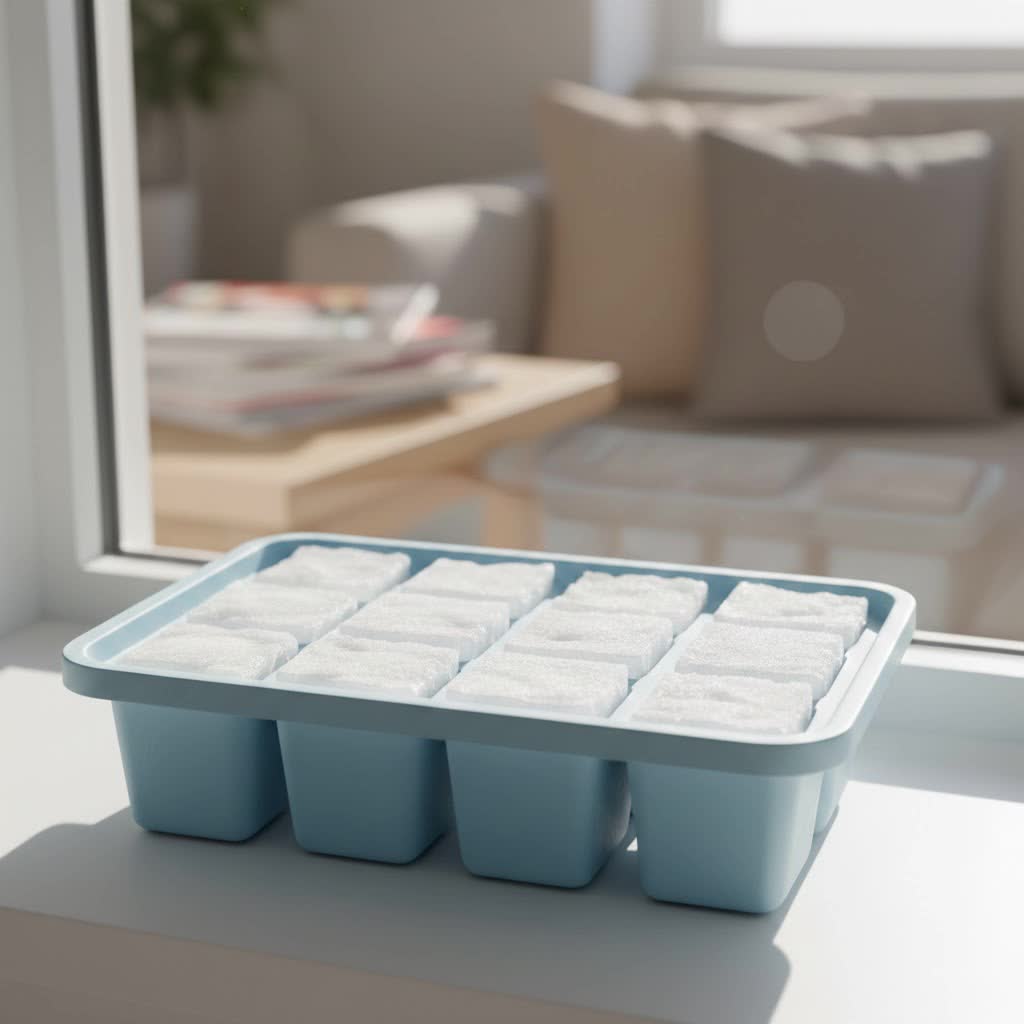
The ideal ice tray for most homes balances material, durability, and ease of use. Food-grade silicone trays are often recommended for their flexibility and simple ice release, while stainless steel offers superior durability and no odor absorption. Plastic trays are the most affordable but can absorb odors and crack over time. Selecting the right ice tray depends on individual needs, such as desired ice shape, frequency of use, and budget.
Understanding Popular Ice Tray Types
The material and design of an ice tray fundamentally influence its performance, durability, and user experience. Let’s break down the most common types you’ll encounter. For compare top ice cube on this site.
Plastic Ice Trays
Plastic ice trays are the classic choice, often the most budget-friendly and widely available option. They come in various shapes and sizes, offering straightforward ice production.
- Advantages:
- Affordable: Generally the least expensive option, making them accessible.
- Rigid Structure: Their stiffness makes them easy to carry to the freezer without spilling, especially those with thicker plastic.
- Readily Available: Found in almost any general store or supermarket.
- Disadvantages:
- Odor Absorption: Can easily absorb freezer odors, leading to off-tasting ice if not properly sealed or cleaned. Thicker plastic tends to fare better here.
- Difficulty in Release: Ice cubes can be challenging to remove, often requiring twisting or forceful bending, which can lead to cracking over time.
- Durability Concerns: Prone to cracking and becoming brittle with prolonged use and freezing cycles.
- Health Considerations: It’s crucial to look for BPA-free labels to avoid potential chemical leaching, though this is primarily a concern with heat and fats rather than freezing water.
Silicone Ice Trays
Silicone ice trays have surged in popularity due to their flexibility and user-friendly design, particularly for specialized ice shapes.
- Advantages:
- Effortless Release: Their inherent flexibility makes popping out ice cubes incredibly easy, often just a simple push from the bottom.
- Durable & Flexible: Resistant to cracking, breaking, and extreme temperatures, offering a long lifespan. They retain their shape well over time.
- Safe Materials: Most are made from food-grade silicone, free from harmful chemicals like BPA, phthalates, and PVC.
- Versatile Designs: Ideal for unique shapes like spheres, large cubes, or intricate molds, enhancing drink presentation.
- Disadvantages:
- Floppiness: When full of water, they can be unstable and challenging to carry to the freezer without spilling. Many newer designs incorporate a rigid frame to mitigate this.
- Odor Potential: While generally better than thinner plastics, some silicone can still absorb freezer odors if not cleaned meticulously or if exposed for extended periods.
- Higher Price Point: Typically more expensive than basic plastic trays.
Stainless Steel Ice Trays
|
Our Picks for the Best Ice Tray in 2026
As an Amazon Associate I earn from qualifying purchases.
|
||
| Num | Product | Action |
|---|---|---|
| 1 | GORILLA GRIP BPA-Free Easy Release Ice Cube Tray for Freezer, Make Lots of Ice, 56 Cubes Total, Kit Includes 2 Stackable Leakproof Trays with Lid and Soft Handle Grips, Scooper, Bin, For Coffee, Red |

|
| 2 | Ice Cube Trays, Silicone Easy-Release and Flexible 14-Ice Trays with Spill-Resistant Removable Lid, BPA Free, Durable and Dishwasher Safe, 2 Pack |
|
| 3 | DOQAUS Ice Cube Tray with Lid and Bin - 4 Pack Silicone Ice Cube Trays for Freezer, Stackable Ice Bucket Kits with Storage Container & Scoop for Kitchen, RV, Cocktail, Coffee |
|
| 4 | 3 Pack Ice Trays for Freezer, 99 PCS Ice Cube Tray with Lid and Bin, Round Ice Cube Mold, Circle Ice Maker for Chilling Drinks (0.8 inch, Blue) |
|
| 5 | Ice Tray Easy Release White Ice Cube Trays, 16 Cube (Pack of 2) (2867-WHT-2) |
|
| 6 | Ice Cube Tray 5 Pack, Stackable Silicone Ice Cube Trays with Lid– Easy Release Reusable Ice Tray, BPA-Free Rectangular Ice Cube Mold Set for Cocktails, Coffee, Whiskey & Drinks- Black |
|
| 7 | Extra Large Reusable Ice Cubes for Drinks(1.9” Sq.) - 6 Pack BPA-Free Plastic Ice Cube - Chills Drinks Without Diluting Suitable for Large Containers, Water Pitchers, Cold Therapy Devices |
|
| 8 | OXO Good Grips Ice Cube Tray - 2 Pack White |
|
| 9 | Ice Cube Trays for Freezer - 3 Pack 42 Cubes, Easy to Release Silicone Ice Trays with Spill-Resistant Lids, Reusable Ice Tray,Stackable and BPA-Free, Perfect for Cocktails, Drinks,and Ice Coffee |
|
| 10 | GORILLA GRIP BPA-Free Easy Release Ice Cube Tray for Freezer, Make Lots of Ice, 56 Cubes Total, Kit Includes 2 Stackable Leakproof Trays with Lid and Soft Handle Grips, Scooper, Bin, For Coffee, Gray |
|
A nod to the past with a modern touch, stainless steel ice trays are known for their exceptional durability and sleek appearance.
- Advantages:
- Superior Durability: Built to last, these trays are resistant to rust, corrosion, and breaking, making them a long-term investment.
- No Odor Absorption: Stainless steel is non-porous and does not absorb any freezer odors, ensuring pure-tasting ice.
- Quick Freezing: Metal conducts cold efficiently, potentially speeding up the freezing process.
- Hygienic: Easy to clean and maintain, often dishwasher safe.
- Disadvantages:
- Highest Price: Stainless steel trays are usually the most expensive option on the market.
- Release Mechanism: Often feature a lever-based system to crack and release ice, which some users find less convenient than silicone. You generally can’t remove individual cubes without releasing the whole tray.
- Cold to Touch: Can be very cold when handling immediately after removal from the freezer.
Lidded Ice Trays
Many ice trays, regardless of material, now come with lids, adding a layer of convenience and protection.
- Advantages:
- Odor Prevention: Lids act as a barrier, preventing ice from absorbing unwanted smells and flavors from other freezer contents.
- Spill Prevention: Great for transporting water-filled trays to the freezer without accidental spills.
- Stackability: Allows for efficient use of freezer space by stacking multiple trays or other items on top.
- Hygiene: Protects ice from airborne contaminants and freezer burn.
- Disadvantages:
- Added Bulk: The lid can make the tray slightly bulkier.
- Fit Issues: Some lids may not seal perfectly or can be flimsy.
Shaped and Specialty Ice Trays
Beyond standard cubes, a world of creatively shaped ice awaits, from spheres and large cubes to novelty designs.
- Advantages:
- Aesthetic Appeal: Elevate cocktails, beverages, and even everyday drinks with visually interesting ice. Large cubes and spheres melt slower, diluting drinks less.
- Novelty: Fun for parties, kids’ drinks, or themed events.
- Disadvantages:
- Release Challenges: Intricate shapes can sometimes be harder to demold than simple cubes, though silicone designs generally mitigate this.
- Space: Larger molds (like giant spheres) take up more freezer space per ice piece.
- Niche Use: May not be practical for everyday, high-volume ice needs.
Detailed Comparison of Ice Tray Materials
To help you visualize the differences, here’s a breakdown of key aspects across the primary materials:
| Feature | Plastic Ice Trays | Silicone Ice Trays | Stainless Steel Ice Trays |
|---|---|---|---|
| Material | Polypropylene (PP), HDPE | Food-grade Silicone | 18/8 or 18/10 Stainless Steel |
| Durability | Medium; prone to cracking/brittle | High; flexible, crack-resistant | Very High; extremely robust |
| Ease of Release | Moderate; often requires twisting | Very Easy; push from bottom | Easy; lever mechanism |
| Odor Retention | High; can absorb freezer smells | Medium; can absorb if not cleaned | None; non-porous |
| Price Range | Low | Mid-High | High |
| Ease of Cleaning | Easy; many are dishwasher safe | Easy; dishwasher safe | Easy; dishwasher safe |
| Stability (full) | High; rigid structure | Low-Medium; can be floppy | High; rigid structure |
Your Essential Buying Guide for Ice Trays
Choosing the right ice tray goes beyond just aesthetics; it’s about matching the product to your specific needs and ensuring it stands the test of time.
1. Determine Your Usage Needs
Before anything else, consider how you’ll primarily use your ice tray.
- Quantity: Do you need a constant supply for a large family or just a few cubes for a single drink? Some trays come in sets or with storage bins.
- Ice Size and Shape: For cocktails, larger cubes or spheres are ideal as they melt slowly, preserving the drink’s integrity. For everyday water or blended drinks, standard or smaller “nugget” ice might be preferred.
- Frequency: If you make ice daily, ease of release and cleaning will be paramount. If it’s an occasional use, a less convenient option might be acceptable.
2. Prioritize Material Safety and Quality
The material directly impacts the safety and longevity of your ice tray.
- For Plastic: Always look for labels indicating “BPA-free” and prefer thicker, more robust plastics like polypropylene (PP) which are generally considered safer for food contact. Avoid brittle or discolored plastics.
- For Silicone: Ensure it’s 100% food-grade silicone. This guarantees it’s free from fillers and harmful chemicals, safe for freezing, and won’t leach into your ice.
- For Stainless Steel: Look for food-grade stainless steel, typically 18/8 or 18/10, which indicates a high quality, rust-resistant alloy.
3. Evaluate Durability and Construction
A durable ice tray saves you money and frustration in the long run.
- Plastic: Inspect for thick walls and a solid build. Thin plastic will crack faster.
- Silicone: Feel for a good density. While flexible, it shouldn’t feel flimsy. Many quality silicone trays incorporate a reinforced rim or a plastic frame for stability.
- Stainless Steel: Look for seamless construction and a sturdy lever mechanism if applicable. It should feel substantial and well-made.
4. Consider Ease of Use and Cleaning
Nobody wants a frustrating kitchen tool.
- Ice Release: Silicone excels here. For plastic, look for designs marketed as “easy release.” Stainless steel relies on its lever, which can be effective but requires a specific technique.
- Filling and Transport: Trays with rigid structures (plastic, stainless steel, or framed silicone) are easier to fill and carry without spills. Lids are a major plus for spill prevention.
- Cleaning: Most modern trays are dishwasher safe. However, silicone might require occasional deeper cleaning (like baking) if it starts retaining odors.
5. Read User Reviews and Recommendations
While this guide offers general advice, real-world user experiences are invaluable. Browse online reviews for insights into specific product performance, durability issues, and ease of use under varied conditions. Pay attention to comments about ice release, odor retention, and long-term quality.
Essential Tips for Using and Maintaining Your Ice Tray
Even the best ice tray benefits from proper care. Follow these tips to ensure long-lasting performance and fresh-tasting ice:
- Initial Cleaning: Always wash your new ice tray thoroughly with soap and warm water before its first use to remove any manufacturing residues.
- Avoid Overfilling: Filling trays too high can make them hard to carry, lead to spills, and cause ice cubes to fuse together, making them difficult to remove. Leave a small gap at the top.
- Gentle Release: For plastic trays, a slight twist or a quick rinse of the underside with warm water can aid release without cracking the tray. For silicone, a simple push from the bottom of each compartment usually works perfectly. Stainless steel trays typically involve pressing a lever.
- Regular Cleaning: Wash your ice trays regularly, preferably after every few uses, to prevent the buildup of mineral deposits from water or the absorption of freezer odors. Most are dishwasher safe; if handwashing, ensure all crevices are clean.
- Address Silicone Odors: If your silicone tray starts to pick up freezer smells, a common remedy is to place it on a baking sheet and bake it in a 350°F (175°C) oven for about 30 minutes. Let it cool completely, then wash with soap and water.
- Proper Storage: Store clean, dry ice trays in a clean area of your freezer. If you have a lidded tray with a bin, use it to store a batch of ice cubes, freeing up the tray for the next batch.
The Perfect Ice Tray Awaits You
Choosing the ideal ice tray doesn’t have to be a frosty dilemma. By understanding the characteristics of different materials—from the affordability of plastic to the flexible convenience of silicone and the enduring quality of stainless steel—and considering your personal needs, you can easily find a tray that elevates your everyday moments and special occasions. Whether you’re chilling a refreshing drink on a hot summer day or crafting an exquisite cocktail, the right ice tray is a small but mighty tool that makes a big difference.
What’s your go-to ice tray material, and why does it work for you? Share your frosty insights!
Frequently Asked Questions
Using and Maintaining Your Ice Tray
Follow these essential tips to ensure long-lasting performance and fresh-tasting ice from any type of ice tray.
Always wash your new ice tray thoroughly with soap and warm water before its first use. This removes any manufacturing residues and ensures your first batch of ice is clean.
Do not fill trays too high; leave a small gap at the top. Overfilling can make trays hard to carry, lead to spills, and cause ice cubes to fuse together, making them difficult to remove.
For plastic trays, a slight twist or quick rinse of the underside with warm water aids release. For silicone, a simple push from the bottom works, while stainless steel trays typically use a lever mechanism.
Wash your ice trays regularly, ideally after every few uses. This prevents mineral deposit buildup and odor absorption, ensuring your ice always tastes fresh. Most trays are dishwasher safe.
If a silicone tray absorbs freezer smells, place it on a baking sheet and bake at 350u00b0F (175u00b0C) for about 30 minutes. Let it cool completely, then wash with soap and water to eliminate odors.
Get our weekly buyer guide
Practical specs, not advice. Unsubscribe anytime.

I’ve been using plastic trays for years because they’re so cheap, but I’m starting to see why people complain about them. Mine always crack after a while, and sometimes the ice tastes a little off, like it’s picked up freezer odors. I guess you get what you pay for. I’m thinking about trying a stainless steel one next for better durability.
After reading about the different materials, I decided to invest in a stainless steel ice tray, and I’m really impressed. It feels super sturdy and I don’t have to worry about it cracking or absorbing any odors. The ice release is surprisingly good once you get the hang of it. Definitely a long-term solution for my ice needs.
I finally upgraded from my old plastic trays and went with a food-grade silicone one, and wow, what a difference! The ice just pops right out without any struggle or cracking the tray. I love that it doesn’t absorb any weird smells from the freezer either. Definitely worth the slightly higher price for the convenience.
I got a new silicone tray specifically for making larger ice cubes for my whiskey and it’s been great. The flexibility makes it super easy to get the big cubes out without any fuss. I appreciate not having to wrestle with a rigid tray anymore. It’s a small change but makes my evening drink much more enjoyable.