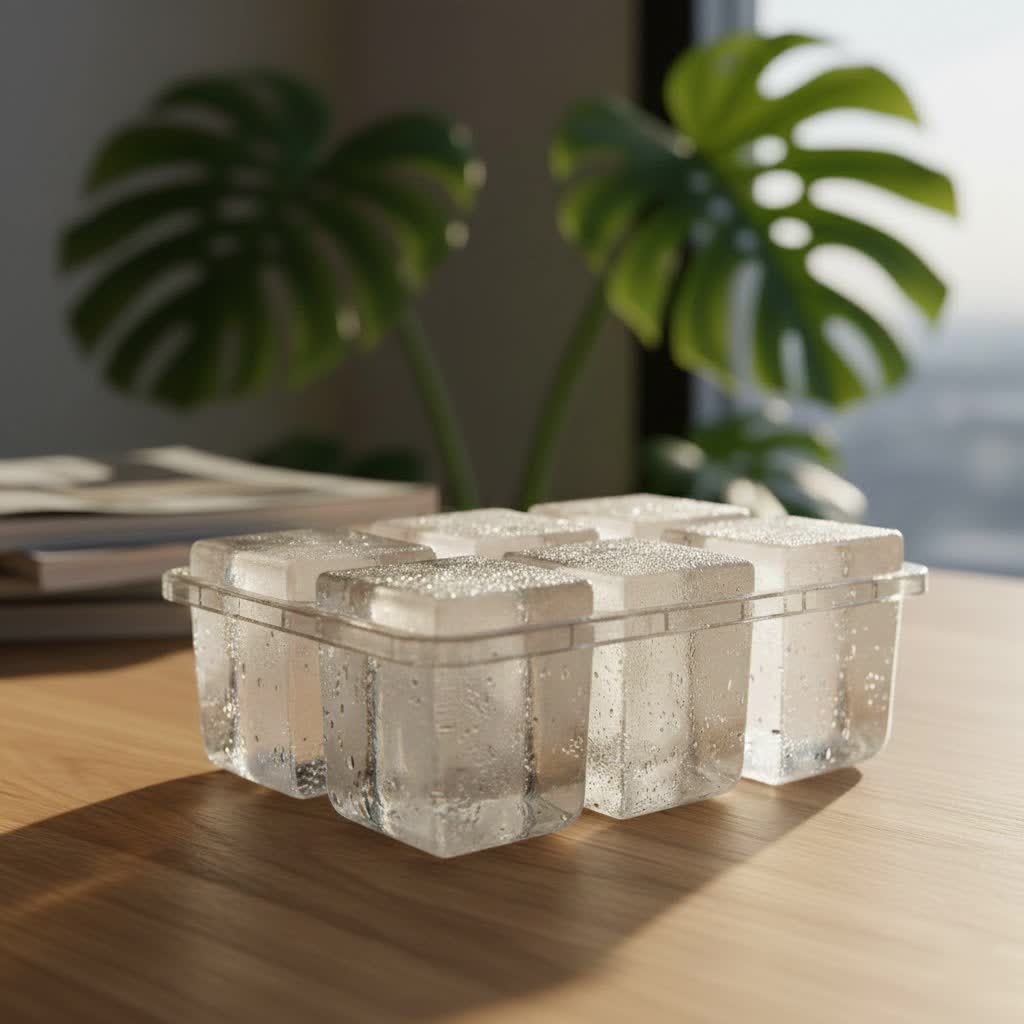
Imagine a perfectly chilled drink on a warm day, the ice cubes clinking gently without imparting any strange freezer tastes or plastic odors. For too long, we’ve settled for flimsy plastic trays that crack and warp, or silicone options that absorb every scent from our freezer. But what if there was a better way to make ice—a method that combines health-consciousness, environmental responsibility, and timeless elegance? This is where the stainless steel ice tray steps in, offering a refreshing upgrade to your kitchen essentials.
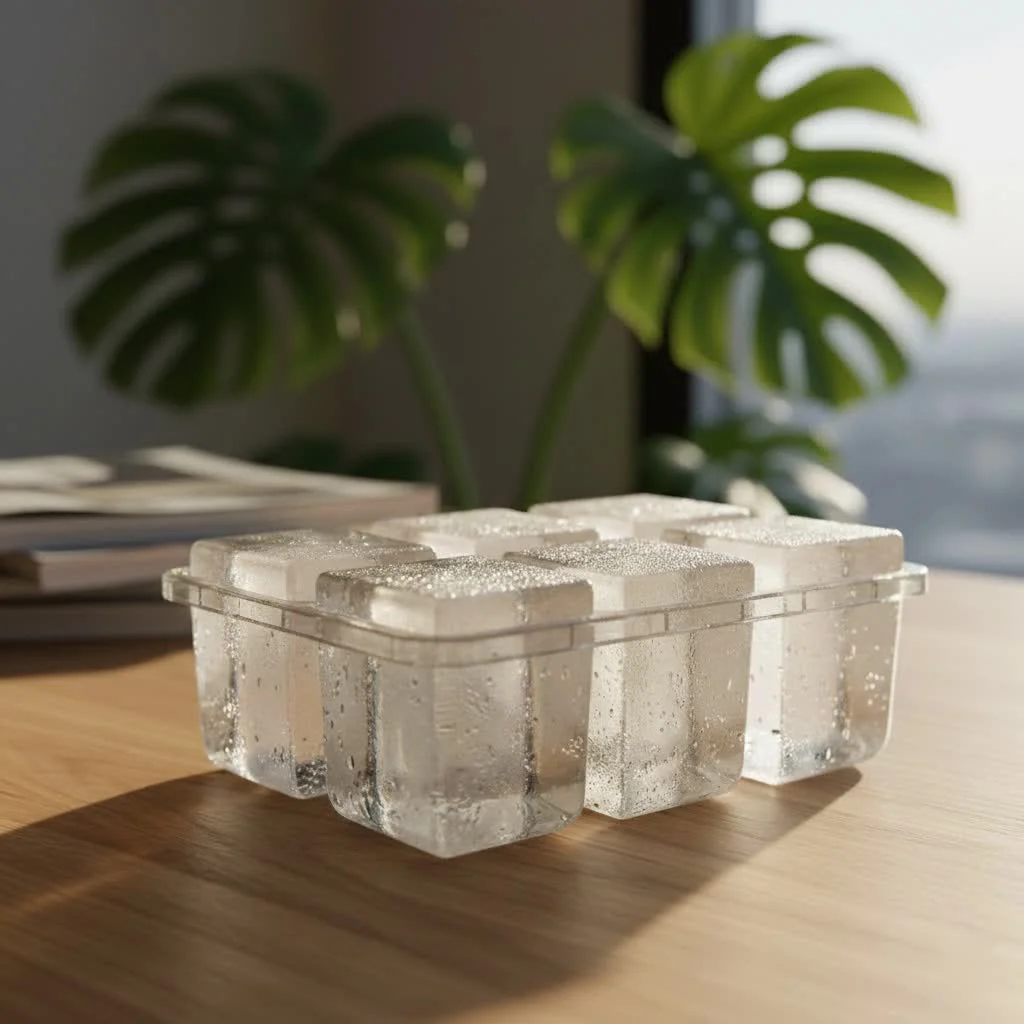
Why Choose Stainless Steel Ice Trays? The Undeniable Advantages
Switching to a stainless steel ice tray isn’t just about making ice; it’s about elevating your entire experience, from the first fill to the last refreshing sip. These durable kitchen tools offer a host of benefits that make them a standout choice.
Uncompromised Purity: A Taste You Can Trust
One of the most compelling reasons to choose stainless steel is its inherent purity. Unlike plastic or even silicone, stainless steel is flavor-neutral. It doesn’t absorb odors from yesterday’s leftovers, the frozen fish in the next compartment, or even the subtle plastic smell that can permeate your freezer. This means your ice tastes exactly as it should: like pure, clean water. This pristine quality is especially crucial for connoisseurs of fine spirits, daily iced coffee drinkers, or parents preparing baby food portions.
Built to Last: Decades of Durability
Flimsy plastic trays are notorious for cracking, warping, and degrading over time, often ending up in landfills. Silicone trays, while more flexible, can stretch, stain, and lose their shape. Stainless steel, however, is engineered for resilience. Crafted from robust materials like 18/8 (304 grade) stainless steel, these trays are virtually indestructible. They resist corrosion, don’t break or warp, and are designed to endure daily use for decades, making them a one-time investment that serves your household for years to come.
Rapid Freezing: Efficiency in Your Freezer
Stainless steel is an excellent conductor of temperature. This superior thermal conductivity translates directly into faster freezing times for your ice. Compared to insulating materials like plastic or silicone, stainless steel quickly transfers the cold from your freezer to the water, allowing you to produce ice more efficiently. This speed is a game-changer for busy households, impromptu gatherings, or anyone who finds themselves frequently refilling their ice trays.
A Healthier Choice: Beyond BPA Concerns
For those mindful of what touches their food and drinks, stainless steel offers peace of mind. Premium stainless steel ice trays are free from BPA, phthalates, dyes, coatings, and microplastics—common concerns associated with plastic products. By choosing stainless steel, you’re opting for a naturally food-safe material that won’t leach undesirable chemicals into your pristine ice. It’s a simple, yet significant, step towards a healthier home environment.
Eco-Conscious Living: Reducing Plastic Footprint
|
Our Picks for the Best Ice Tray in 2026
As an Amazon Associate I earn from qualifying purchases.
|
||
| Num | Product | Action |
|---|---|---|
| 1 | Extra Large Reusable Ice Cubes for Drinks(1.9” Sq.) - 6 Pack BPA-Free Plastic Ice Cube - Chills Drinks Without Diluting Suitable for Large Containers, Water Pitchers, Cold Therapy Devices |

|
| 2 | DOQAUS Ice Cube Tray with Lid and Bin - 4 Pack Silicone Ice Cube Trays for Freezer, Stackable Ice Bucket Kits with Storage Container & Scoop for Kitchen, RV, Cocktail, Coffee |
|
| 3 | Ice Cube Trays, Silicone Easy-Release and Flexible 14-Ice Trays with Spill-Resistant Removable Lid, BPA Free, Durable and Dishwasher Safe, 2 Pack |
|
| 4 | 3 Pack Ice Trays for Freezer, 99 PCS Ice Cube Tray with Lid and Bin, Round Ice Cube Mold, Circle Ice Maker for Chilling Drinks (0.8 inch, Blue) |
|
| 5 | Ice Tray Easy Release White Ice Cube Trays, 16 Cube (Pack of 2) (2867-WHT-2) |
|
| 6 | OXO Good Grips Ice Cube Tray - 2 Pack White |
|
| 7 | GORILLA GRIP BPA-Free Easy Release Ice Cube Tray for Freezer, Make Lots of Ice, 56 Cubes Total, Kit Includes 2 Stackable Leakproof Trays with Lid and Soft Handle Grips, Scooper, Bin, For Coffee, Gray |
|
| 8 | Ice Cube Tray 5 Pack, Stackable Silicone Ice Cube Trays with Lid– Easy Release Reusable Ice Tray, BPA-Free Rectangular Ice Cube Mold Set for Cocktails, Coffee, Whiskey & Drinks- Black |
|
| 9 | Ice Cube Trays for Freezer - 3 Pack 42 Cubes, Easy to Release Silicone Ice Trays with Spill-Resistant Lids, Reusable Ice Tray,Stackable and BPA-Free, Perfect for Cocktails, Drinks,and Ice Coffee |
|
| 10 | GORILLA GRIP BPA-Free Easy Release Ice Cube Tray for Freezer, Make Lots of Ice, 56 Cubes Total, Kit Includes 2 Stackable Leakproof Trays with Lid and Soft Handle Grips, Scooper, Bin, For Coffee, Red |
|
In an era where sustainability is paramount, stainless steel ice trays shine as an eco-friendly choice. Their exceptional longevity means fewer disposable plastic trays ending up in landfills, contributing to a reduction in household waste. By investing in a reusable, durable product, you actively participate in a more sustainable lifestyle, minimizing your environmental impact one ice cube at a time.
Stainless Steel vs. The Alternatives: A Head-to-Head Comparison
Understanding how stainless steel stacks up against its common counterparts—plastic and silicone—can help clarify why it’s often the superior choice for discerning homeowners.
Stainless Steel vs. Plastic: Durability Meets Purity
Plastic ice trays are ubiquitous, often chosen for their low cost and initial ease of use. However, their advantages are quickly overshadowed by their drawbacks. Plastic is prone to cracking and breaking, especially when twisted to release ice. Over time, it can absorb odors, leading to off-tasting ice, and concerns about chemical leaching from repeated freezing cycles persist. Stainless steel, conversely, offers unparalleled durability and ensures your ice remains pure and free from any absorbed flavors. While plastic might offer a slightly easier initial release due to its flexibility, the long-term benefits of stainless steel for health, taste, and environmental impact are clear.
Stainless Steel vs. Silicone: Flexibility vs. Flavor Integrity
Silicone ice trays gained popularity for their impressive flexibility, making ice release incredibly easy and allowing for novel cube shapes. They are also generally considered safer than many plastics. However, silicone is porous and can be a magnet for freezer odors and oils, potentially tainting your ice with unwanted flavors. It can also be less rigid, making it prone to spills if not carefully handled in a crowded freezer. Stainless steel, with its non-porous surface, completely eliminates odor absorption, guaranteeing a consistently clean taste. While stainless steel trays might require a different technique for ice release, their superior thermal conductivity and taste integrity often make them the preferred choice for those prioritizing purity and performance.
Navigating the World of Stainless Steel Ice Trays: What to Look For
When you’re ready to make the switch, a few key factors will guide you toward the perfect stainless steel ice tray for your needs.
Material Quality: The 18/8 Standard
Always look for trays made from 18/8 or 304-grade stainless steel. This designation indicates a high-quality, food-grade material that is highly resistant to corrosion and rust. Cheaper alternatives might use lower-grade steel that can rust or impart a metallic taste to your ice over time. Investing in a premium grade ensures your tray remains neutral, safe, and beautiful for years.
Design & Ease of Use: The Lever Advantage
Many traditional stainless steel ice trays feature a classic lever mechanism. This design typically involves a handle in the center that, when lifted, causes a divider to flex and release the cubes. While not as “flexible” as silicone, these mechanisms, when properly executed, offer a satisfying and efficient way to extract ice. Some users find a quick run under warm water on the back of the tray helps release the cubes even more smoothly. Consider whether you prefer a simpler, classic design or a model with an integrated lever for convenience.
Cube Size & Shape: From Everyday to Craft Cocktails
Stainless steel trays typically produce classic square or parallelogram-shaped cubes. Consider the size and shape that best suits your lifestyle. Standard cubes are great for everyday hydration, iced tea, or smoothies. For cocktail enthusiasts, larger cubes melt more slowly, minimizing dilution and enhancing the drinking experience. While stainless steel may offer fewer novelty shapes than silicone, the focus is on functional, high-quality ice.
Lids and Storage: Keeping Odors Out
Some modern stainless steel ice trays come with fitted lids or integrated storage bins. A lid is a valuable feature as it helps prevent spills during transport to the freezer and acts as an extra barrier against freezer odors, especially if your freezer contains strong-smelling foods. Lids also allow for convenient stacking, maximizing space in your freezer.
Expert Tips for Using and Caring for Your Stainless Steel Ice Tray
To get the most out of your stainless steel ice tray and ensure its longevity, here are some practical tips from a seasoned technician.
Filling for Perfect Cubes
Avoid overfilling your tray. For best results, fill the tray about three-quarters of the way with water. This leaves room for expansion as the water freezes, preventing misshapen cubes and making release easier. If your tray has a divider, ensure it’s properly seated before freezing. For a mess-free fill, pour water directly into the flat channels between cube compartments, allowing it to disperse evenly.
Effortless Ice Release Techniques
Releasing ice from a stainless steel tray is slightly different from flexible plastic or silicone. After the ice is thoroughly frozen, remove the tray from the freezer. Allow it to sit on the countertop for five minutes. This brief resting period allows a thin layer of ice to melt slightly, making release easier. Then, use the lever mechanism or twist the tray gently. If cubes are still stubborn, run the back of the tray under warm water for just a couple of seconds. The warmth will help loosen the ice without melting the cubes significantly. Once released, transfer the cubes to a freezer-safe container or bag for storage, then refill your tray for the next batch.
Cleaning and Maintenance for Longevity
Stainless steel trays are remarkably easy to clean and maintain. After each use, wash the tray with warm water and mild dish soap. Avoid abrasive scrubbers like steel wool, which can scratch the surface. Rinse thoroughly and, importantly, dry the tray completely to prevent water spots or mineral buildup. For an occasional deep clean or to restore its shine, a paste of baking soda and water can be used. Proper drying is key to keeping your stainless steel tray looking pristine for decades.
Top Stainless Steel Ice Trays: Our Recommendations
When considering which stainless steel ice tray to bring into your home, you’ll find various designs tailored to specific needs. For an all-around reliable option, look for classic lever-release trays that offer straightforward functionality and exceptional durability. If you’re a cocktail enthusiast, specialized trays that produce larger, slow-melting cubes are an excellent choice for keeping your drinks undiluted and elegantly chilled. For families or those keen on meal prepping, divided freezer trays with secure lids are ideal for freezing baby food, broths, and herbs in perfectly portioned, odor-free cubes. And for those demanding the utmost resilience, heavy-duty bar-style trays, often used in professional settings, provide unmatched strength for frequent and rigorous use.
Conclusion
Choosing a stainless steel ice tray is more than just a kitchen purchase; it’s an investment in purity, durability, and a more sustainable lifestyle. From ensuring your drinks taste exactly as they should, free from unwanted odors, to offering a robust, non-toxic alternative to plastic and silicone, these trays truly elevate a seemingly simple act. They freeze faster, last longer, and contribute to a healthier home and planet. Once you experience the crisp, clean taste and effortless elegance of ice from a stainless steel tray, you’ll wonder why you ever settled for anything less. So, are you ready to transform your ice-making experience and savor the true taste of pure, unadulterated ice?
Frequently Asked Questions
Are stainless steel ice trays safe for babies?
Absolutely. High-quality 18/8 (304 grade) stainless steel is considered one of the safest materials for food contact, as it contains no BPA, phthalates, or other chemicals often found in plastic. This makes it an excellent choice for freezing baby food portions.
Do stainless steel ice trays rust?
Premium 304-grade stainless steel is highly resistant to rust and corrosion with normal care. To ensure longevity and prevent any potential water spots, it’s always recommended to dry your tray thoroughly after washing.
Do they freeze faster than plastic or silicone trays?
Yes, stainless steel’s excellent thermal conductivity means it transfers cold much more efficiently than plastic or silicone. This results in significantly faster freezing times, allowing you to produce ice more quickly.
How do you easily release ice from a stainless steel tray?
After the ice is frozen, let the tray sit on the counter for about five minutes. If needed, a quick rinse of the tray’s underside with warm water for a couple of seconds will help loosen the ice. Then, use the integrated lever mechanism or twist the tray gently to release the cubes.
Do stainless steel ice trays make ice taste better?
Many users report that ice from stainless steel trays has a cleaner, fresher taste. This is because stainless steel is non-porous and flavor-neutral, preventing the absorption of freezer odors or subtle tastes from the tray material itself, which can be common with plastic or silicone.
Get our weekly buyer guide
Practical specs, not advice. Unsubscribe anytime.
