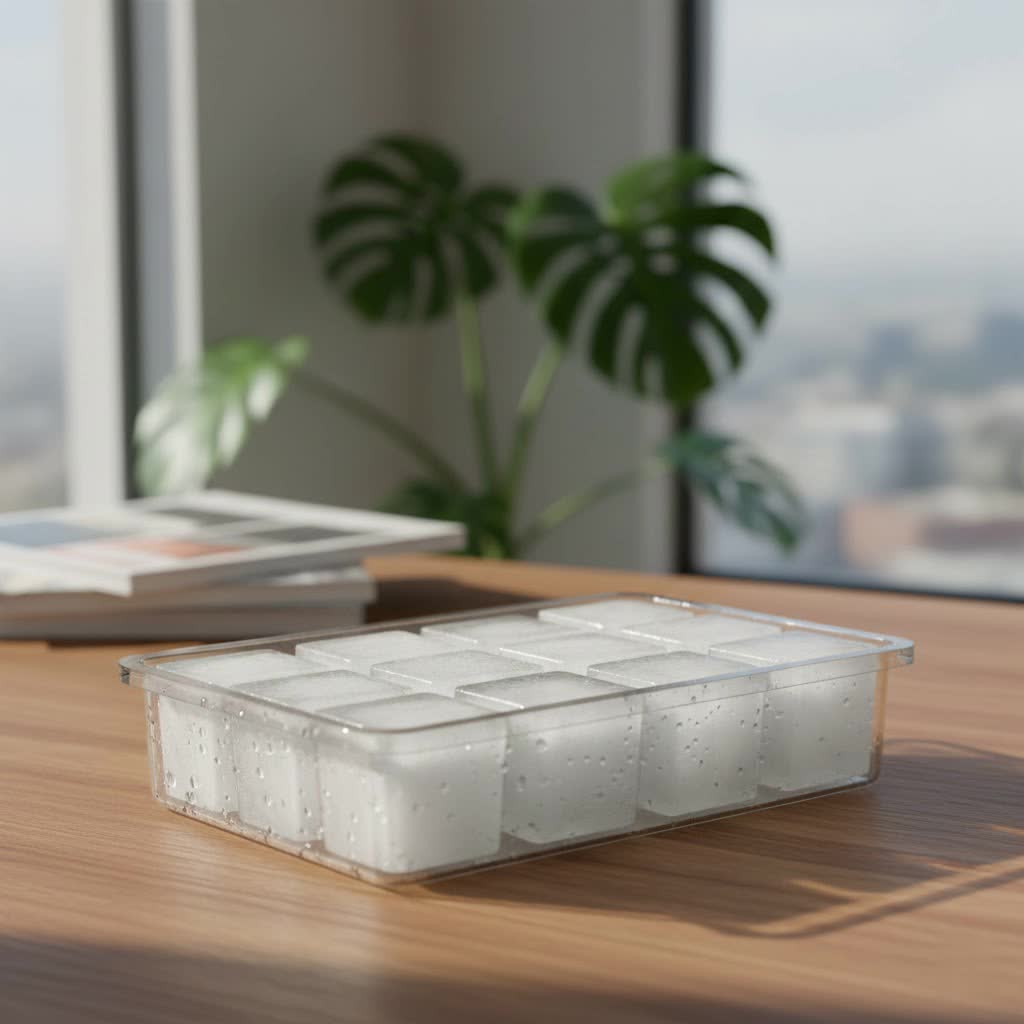
Are you tired of rapidly melting ice cubes diluting your perfectly crafted cocktails or fine spirits? The secret to a truly exceptional drink experience often lies in the ice. Forget flimsy, fast-melting cubes; it’s time to discover the elegance and functionality of the ice ball tray. These innovative kitchen tools are not just a trend; they’re a game-changer for anyone who appreciates a perfectly chilled, undiluted beverage.
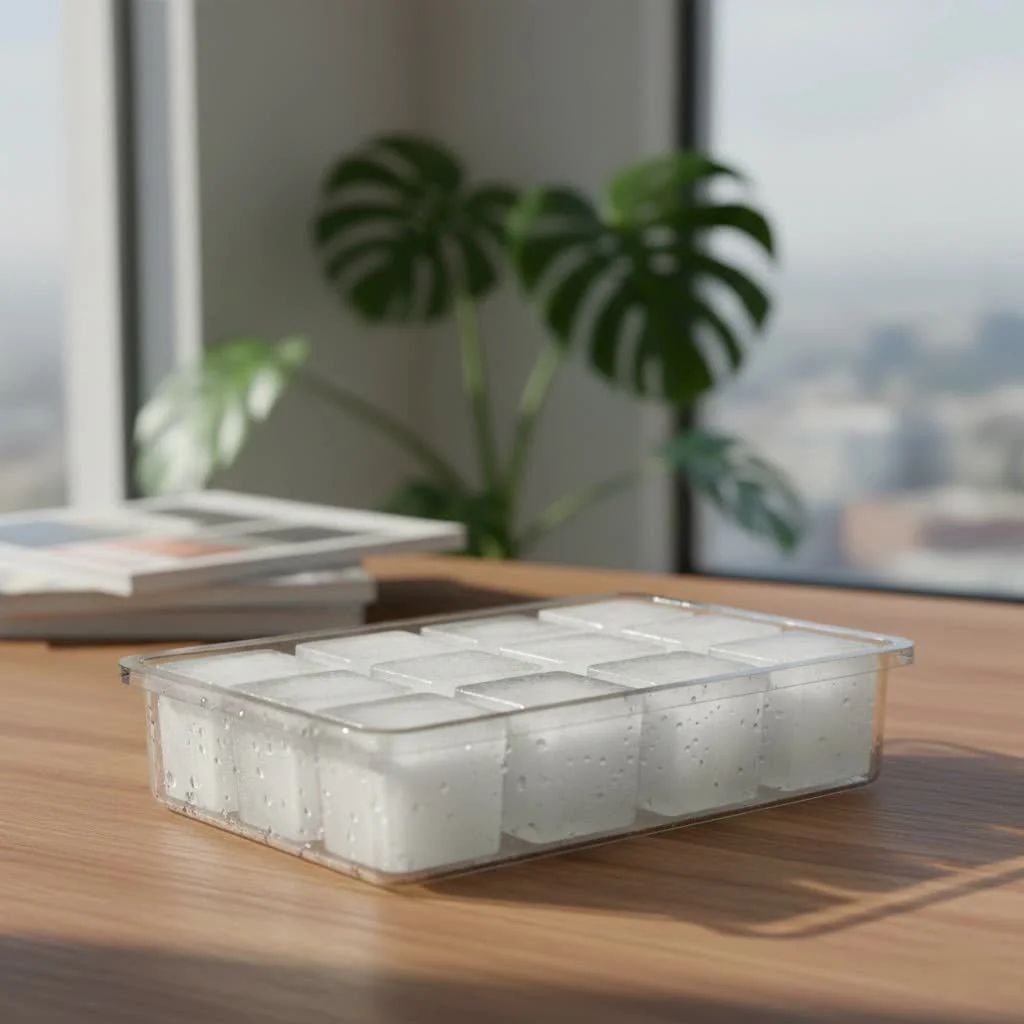
As an appliance technician with over a decade of experience in kitchenware, including a deep dive into various ice tray designs, I’ve seen firsthand how the right ice can transform a simple drink into a sophisticated pleasure. This comprehensive guide will equip you with everything you need to know about ice ball trays, from understanding their unique benefits and different types to selecting, using, and maintaining them for optimal performance. Let’s explore the world of spherical ice and find the ideal solution to keep your drinks cool and captivating. For more ice cube guides on this site.
Why Choose Ice Ball Trays? The Spherical Advantage
The appeal of ice ball trays extends far beyond their sleek, aesthetic charm. The spherical shape offers distinct practical benefits that traditional ice cubes simply cannot match, making them an essential upgrade for any beverage enthusiast.
Slower Dilution, Purer Flavor
The primary advantage of an ice ball is its significantly reduced surface area compared to a standard ice cube of equivalent volume. This fundamental geometric difference means less ice is exposed to the liquid at any given time, resulting in a much slower melt rate. For delicate spirits like whiskey or bourbon, and carefully balanced cocktails, this translates to less dilution and a longer-lasting, more potent flavor profile. Your drink stays colder for longer without becoming watered down, allowing you to savor every nuanced note.
Elevated Presentation
There’s an undeniable “wow” factor that comes with serving drinks adorned with large, perfectly spherical ice. An ice ball instantly elevates the visual appeal of any beverage, from a simple glass of iced tea to an intricate cocktail. It creates a sophisticated, bar-quality aesthetic that impresses guests and enhances the overall drinking experience. The way light reflects off a crystal-clear ice sphere is truly captivating.
Enhanced Chill
While melting slowly, ice balls are highly efficient at chilling your drink. Their substantial size ensures a consistent and prolonged cooling effect, maintaining your beverage at the ideal temperature throughout your enjoyment. This means fewer trips to the freezer for more ice and a more consistently refreshing drink from the first sip to the last.
Popular Types of Ice Ball Trays
The market offers a variety of ice ball trays, each designed with specific materials and features. Understanding these differences is key to choosing the best option for your needs.
Silicone Ice Ball Molds
|
Our Picks for the Best Ice Tray in 2026
As an Amazon Associate I earn from qualifying purchases.
|
||
| Num | Product | Action |
|---|---|---|
| 1 | Ice Cube Trays for Freezer - 3 Pack 42 Cubes, Easy to Release Silicone Ice Trays with Spill-Resistant Lids, Reusable Ice Tray,Stackable and BPA-Free, Perfect for Cocktails, Drinks,and Ice Coffee |

|
| 2 | OXO Good Grips Ice Cube Tray - 2 Pack White |
|
| 3 | Ice Cube Tray 5 Pack, Stackable Silicone Ice Cube Trays with Lid– Easy Release Reusable Ice Tray, BPA-Free Rectangular Ice Cube Mold Set for Cocktails, Coffee, Whiskey & Drinks- Black |
|
| 4 | Ice Tray Easy Release White Ice Cube Trays, 16 Cube (Pack of 2) (2867-WHT-2) |
|
| 5 | Ice Cube Trays, Silicone Easy-Release and Flexible 14-Ice Trays with Spill-Resistant Removable Lid, BPA Free, Durable and Dishwasher Safe, 2 Pack |
|
| 6 | Extra Large Reusable Ice Cubes for Drinks(1.9” Sq.) - 6 Pack BPA-Free Plastic Ice Cube - Chills Drinks Without Diluting Suitable for Large Containers, Water Pitchers, Cold Therapy Devices |
|
| 7 | 3 Pack Ice Trays for Freezer, 99 PCS Ice Cube Tray with Lid and Bin, Round Ice Cube Mold, Circle Ice Maker for Chilling Drinks (0.8 inch, Blue) |
|
| 8 | GORILLA GRIP BPA-Free Easy Release Ice Cube Tray for Freezer, Make Lots of Ice, 56 Cubes Total, Kit Includes 2 Stackable Leakproof Trays with Lid and Soft Handle Grips, Scooper, Bin, For Coffee, Red |
|
| 9 | GORILLA GRIP BPA-Free Easy Release Ice Cube Tray for Freezer, Make Lots of Ice, 56 Cubes Total, Kit Includes 2 Stackable Leakproof Trays with Lid and Soft Handle Grips, Scooper, Bin, For Coffee, Gray |
|
| 10 | DOQAUS Ice Cube Tray with Lid and Bin - 4 Pack Silicone Ice Cube Trays for Freezer, Stackable Ice Bucket Kits with Storage Container & Scoop for Kitchen, RV, Cocktail, Coffee |
|
Silicone is perhaps the most popular material for ice ball molds today, and for good reason. Its inherent flexibility makes releasing frozen ice balls incredibly easy; a gentle twist or push is usually all it takes.
- Pros:
- Effortless Release: Ice balls pop out with minimal effort, reducing breakage.
- Food-Grade Safety: Most are made from BPA-free, food-grade silicone, ensuring safety and preventing chemical leaching.
- Durability: Silicone is robust, resistant to cracking, and can withstand repeated freezing and washing cycles.
- Dishwasher Safe: Generally easy to clean, often suitable for dishwashers.
- Cons:
- Flexibility can be a drawback: Floppy silicone molds can be challenging to transport from the sink to the freezer without spilling, especially when full. Placing them on a sturdy tray or a rigid support can help mitigate this.
- Potential for Odor Absorption: Without a lid, silicone can sometimes absorb freezer odors, affecting the taste of your ice. Choosing models with tight-fitting lids can prevent this.
Hard Plastic Molds (Often with Silicone Lids/Seals)
Many ice ball trays combine the rigidity of plastic with the flexibility of silicone. These designs typically feature a hard plastic base and a silicone top or seal.
- Pros:
- Sturdy Structure: The rigid plastic base provides stability, making them easier to carry and less prone to spilling during transport to the freezer.
- Good Shape Retention: Plastic holds the spherical shape well during freezing.
- Clear Ice Potential: Some advanced models incorporate insulation with rigid plastic to facilitate directional freezing, leading to clearer ice.
- Cons:
- Release Challenges: Pure hard plastic molds can make ice removal more difficult, sometimes requiring twisting or force that might crack the ice or the mold itself.
- Seam Lines: Two-piece designs can sometimes result in visible seam lines on the ice balls.
Insulated Ice Ball Makers (for Crystal Clear Ice)
For those pursuing the ultimate in ice aesthetics – perfectly clear, impurity-free ice balls – insulated ice ball makers are the answer. These specialized units use a directional freezing method. They freeze water from the top down, pushing impurities and air bubbles to the bottom, which remains unfrozen (or freezes into a cloudy block that can be discarded).
- Pros:
- Crystal Clear Ice: Produces stunning, transparent ice balls that are free of air bubbles, enhancing both taste and presentation.
- Superior Flavor: Clear ice tends to taste better as it lacks the trapped air and impurities that can cause cloudy ice to pick up freezer flavors.
- Cons:
- Higher Cost: These are typically more expensive than standard silicone or plastic molds.
- Larger Footprint: Often bulkier, requiring more freezer space.
- Longer Freezing Time: The directional freezing process usually takes longer.
Ice Ball Presses
Less of a “tray” and more of a specialized gadget, ice ball presses are designed for rapid production of perfectly spherical ice from a pre-made block of ice. Often made from heavy-duty metal, these presses use gravity and thermal conductivity to melt and reshape ice blocks into spheres within minutes.
- Pros:
- Instant Gratification: Produces perfectly formed ice balls very quickly.
- Flawless Spheres: Creates incredibly precise and smooth ice spheres.
- Cons:
- High Cost: These are a significant investment, often hundreds of dollars.
- Requires Ice Blocks: You still need to make or buy large, clear ice blocks as a precursor.
- Limited Home Use: More common in professional bars than home kitchens.
Factors to Consider When Choosing Your Ice Ball Tray
Selecting the right ice ball tray involves more than just picking a pretty design. Consider these factors to ensure your choice aligns with your lifestyle and beverage preferences.
Material: Silicone vs. Plastic (or Hybrid)
Your choice of material heavily impacts ease of use and durability.
- If easy ice release and flexibility are paramount, a high-quality silicone mold is ideal. Look for thicker silicone that offers more stability.
- If sturdiness and preventing spills are a concern, a hard plastic base with a silicone top or a full rigid plastic model might be better, though release might be slightly harder.
- For the clearest ice, an insulated plastic system is your best bet.
Optimal Size for Your Drinks
The standard and most preferred size for ice balls in rocks glasses is around 2.5 inches (approximately 6.35 cm) in diameter. This size allows the sphere to nestle comfortably in most whiskey or cocktail glasses, providing maximum chill with minimal dilution. Smaller spheres melt faster and offer fewer advantages over traditional cubes, while larger ones might not fit all glassware.
Ease of Use & Release Mechanism
Consider how easy the tray is to fill, seal, and most importantly, how effortlessly the ice balls are released.
- Silicone molds excel here, often requiring just a gentle flex.
- Two-piece molds with small top holes can sometimes be tricky to fill without a funnel. Look for designs where you fill the bottom half and then seal with the top.
Clear Ice Capability
If the aesthetic of crystal-clear ice is important to you, prioritize trays designed for directional freezing or be prepared to use methods like boiled or distilled water with regular molds. Some insulated clear ice makers are specifically engineered to produce transparent spheres by isolating impurities during the freezing process.
Capacity & Stackability
Think about how many ice balls you need at a time and your freezer space.
- Do you need a single-ball mold for occasional use, or a multi-cavity tray for entertaining?
- Check if the molds are stackable when full, which is crucial for maximizing freezer real estate. Lidded silicone trays are often designed for efficient stacking.
Durability & Cleaning
A good ice ball tray should be built to last and easy to clean.
- Look for robust materials that won’t crack or degrade over time. Thicker silicone and sturdy plastics generally indicate better quality.
- Ensure the tray is dishwasher safe for hassle-free cleaning. If hand-washing, check for designs that are easy to access all crevices.
Mastering the Art of Perfect Ice Balls
Creating impressive, long-lasting ice balls is an art that can be perfected with a few simple techniques.
Water Quality Matters
The type of water you use significantly impacts the clarity and taste of your ice.
- Boiled Tap Water: Boiling tap water twice and letting it cool before freezing can remove dissolved gases, which are a common cause of cloudy ice.
- Distilled or Filtered Water: These options offer purer water, reducing impurities and leading to clearer, cleaner-tasting ice.
- Directional Freezing: As mentioned, specialized insulated molds freeze water in a way that pushes impurities out, resulting in truly clear ice, regardless of initial water quality.
Filling Techniques
Proper filling is crucial to prevent leaks and ensure a perfectly formed sphere.
- Don’t Overfill: Water expands as it freezes. If using a two-piece mold, fill the bottom cavity up to the designated line or slightly below, then firmly press the top piece on. Excess water will often seep out, which is normal. Do this over a sink.
- Use a Funnel: For molds with small filling holes, a small funnel can make the process much cleaner and prevent spills.
The Freezing Process
- Level Surface: Always place your ice ball trays on a flat, level surface in the freezer. A tilted mold can lead to unevenly shaped ice balls or leakage.
- Sufficient Freezing Time: Allow adequate time for the ice balls to freeze completely. Typically, 4-6 hours is sufficient, but larger spheres or insulated molds might take longer (up to 20-24 hours for clear ice systems). Avoid disturbing them during this period.
Release & Tempering
Releasing ice balls correctly and tempering them can prevent cracking.
- Easy Release: For silicone molds, simply peel back the silicone or gently push from the bottom. For rigid molds, you might need to run warm water over the outside for a few seconds to loosen the ice.
- Temper Your Ice: This is a crucial step to prevent the ice ball from cracking when hot or room-temperature liquid is poured over it. After removing the ice ball from the freezer, let it sit out at room temperature for 3-5 minutes before adding it to your glass. This allows the outer layer to slightly warm and become less brittle.
- Storage: Once released, store your extra ice balls in an airtight freezer bag or container to prevent them from absorbing freezer odors and to keep them ready for future use.
Common Ice Ball Tray Problems and Troubleshooting
Even with the best ice ball trays, you might encounter a few common issues. Here’s how to troubleshoot them.
- Cracked Ice Balls: This usually happens when very cold ice is shocked by warmer liquid. Solution: Always temper your ice balls for a few minutes at room temperature before use. Using water with fewer impurities can also help.
- Cloudy Ice: Caused by trapped air and minerals in the water. Solution: Use distilled or boiled water. For best results, consider a clear ice maker that employs directional freezing.
- Ice Sticking to the Mold: More common with rigid plastic trays. Solution: Run warm water over the outside of the mold for a few seconds. Silicone molds typically avoid this issue due to their flexibility.
- Freezer Burn or Odors: Ice can absorb smells from your freezer. Solution: Use ice ball trays with tight-fitting lids. Once frozen, transfer ice balls to an airtight freezer bag or container. Regularly clean your freezer.
- Leaking Molds: Often an issue with flimsy silicone molds or poorly sealed two-piece designs. Solution: Ensure the mold is properly sealed. Use a sturdy base or tray underneath floppy silicone molds when transporting them to the freezer. Do not overfill.
Top Ice Ball Trays on the Market
While specific brands may vary in availability, the most highly-regarded ice ball trays share common features that deliver superior results. Look for options with:
- Premium Food-Grade Silicone: Ensures easy release and durability.
- Robust, Leak-Proof Design: Often a combination of hard plastic for structure and silicone for sealing.
- Optimal 2.5-Inch Sphere Size: Ideal for a wide range of beverages.
- Lidded Designs: To prevent spills and freezer odor absorption, many popular models offer integrated lids, which also allow for convenient stacking in the freezer.
- Clear Ice Technology: For those seeking crystal-clear spheres, insulated ice makers that facilitate directional freezing are highly recommended.
Investing in an ice ball tray with these characteristics will ensure you have a reliable tool for crafting perfectly chilled, visually appealing drinks.
Conclusion
The humble ice ball tray is a simple yet impactful addition to any kitchen, transforming the ordinary act of chilling a drink into an art form. By understanding the distinct advantages of spherical ice—slower melting, enhanced aesthetics, and prolonged chill—you can significantly elevate your home bartending and everyday beverage enjoyment. Whether you opt for the flexible convenience of silicone, the sturdy reliability of a plastic-silicone hybrid, or the sophisticated clarity of an insulated clear ice maker, choosing the right tool makes all the difference.
Remember to consider material, size, ease of use, and your desire for clear ice when making your selection. With proper filling, freezing, and tempering techniques, you’ll be consistently producing impressive ice spheres that preserve the integrity and flavor of your favorite drinks. So go ahead, explore the world of ice ball trays, and discover the optimal chilling solution that suits your taste and lifestyle.
What’s your favorite way to enjoy a perfectly chilled drink with an ice ball? Share your tips below!
Frequently Asked Questions
Why do ice balls melt slower than regular ice cubes?
Ice balls melt slower because their spherical shape has a smaller surface area-to-volume ratio compared to a traditional ice cube of the same mass. This means less of the ice is exposed to the liquid, reducing the rate of heat transfer and therefore slowing down the melting process, which helps keep your drink undiluted for longer.
How can I make clear ice balls at home?
To make clear ice balls, you need to minimize trapped air and impurities. One common method is to use boiled distilled or filtered water. For the best results, use a directional freezing method, either with a specialized insulated clear ice ball maker or by placing a regular mold inside a small cooler in your freezer to encourage freezing from one direction, pushing impurities away.
What is the ideal size for an ice ball?
The generally recommended ideal size for an ice ball, especially for spirits like whiskey and cocktails served in rocks glasses, is approximately 2.5 inches (6.35 cm) in diameter. This size offers the best balance of slow melting and fitting comfortably in most standard glassware, providing an optimal chilling experience.
Why do my ice balls crack when I pour liquid over them?
Ice balls often crack due to thermal shock when a warmer liquid is poured directly onto a very cold, brittle ice sphere. To prevent this, always “temper” your ice balls by letting them sit at room temperature for 3-5 minutes after removing them from the freezer before adding them to your drink. This slight warming of the outer layer makes the ice less prone to cracking.
Are silicone ice ball molds safe to use?
Yes, most silicone ice ball molds are made from food-grade, BPA-free silicone, which is considered safe for contact with food and beverages. This material is non-toxic, doesn’t leach chemicals, and is durable for repeated use. Always check product specifications to ensure you are purchasing a food-safe silicone product.
Get our weekly buyer guide
Practical specs, not advice. Unsubscribe anytime.
